Historic Iran-US Accord: Ceasefire and Sanctions Relief Set for June Signing.

A Landmark Agreement Between Tehran and Washington
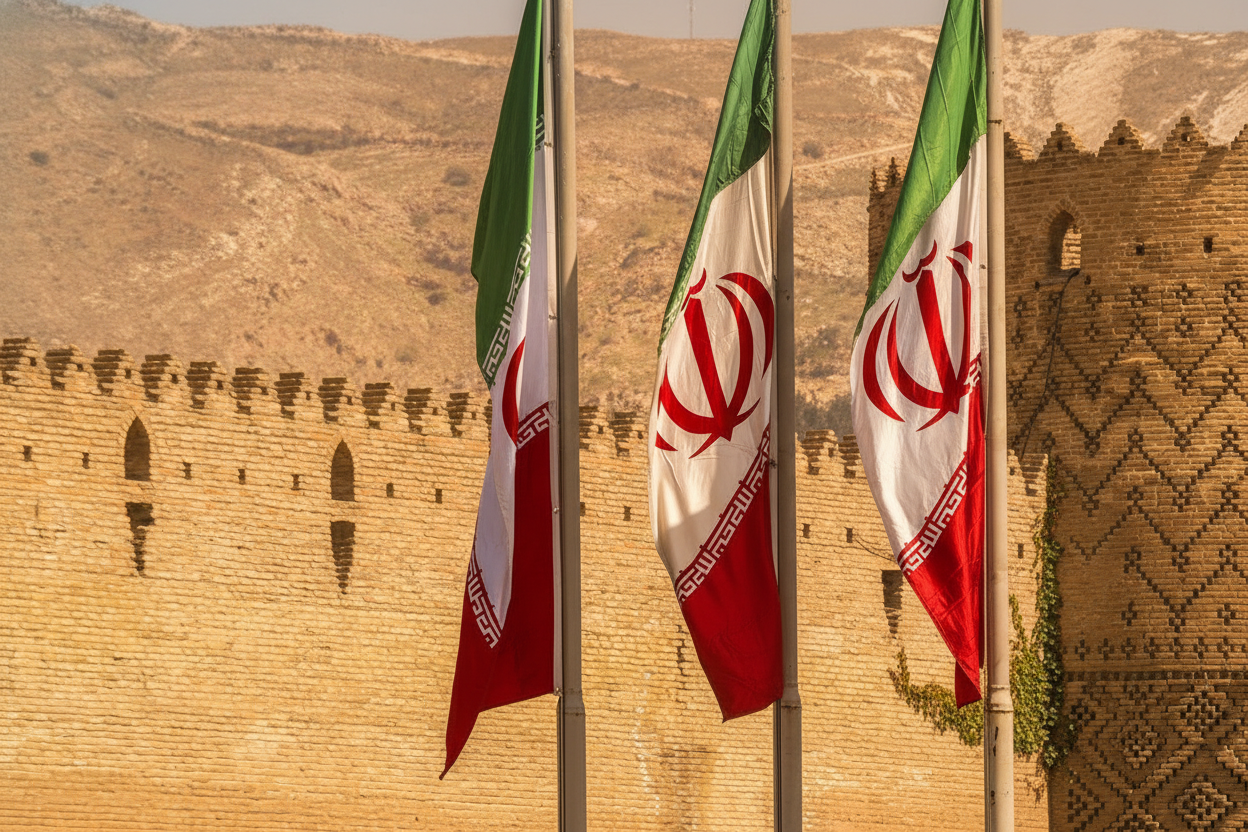
According to Espreso.tv: Iran and the United States have finalized terms for a memorandum aimed at ending hostilities between the two nations. The document, which includes commitments to a ceasefire and the lifting of sanctions, is scheduled to be signed on June 19 in Geneva, Switzerland. Iran’s Supreme National Security Council confirmed the agreement on June 15. This development marks a potential turning point in a decades-long rivalry that has shaped Middle Eastern geopolitics and global energy markets.
Key elements of the memorandum include:
- A halt to hostilities across all fronts, including in Lebanon.
- A U.S. pledge to end the naval blockade of Iran and revoke all anti-Iranian sanctions.
- Joint management of the Strait of Hormuz by Iran and Oman.
On the same day, June 15, Washington and Tehran also agreed to cease military operations. Following the announcement, global oil prices dropped by more than $4 per barrel. However, CIA Director John Ratcliffe has voiced skepticism about Iran’s potential failure to uphold the nuclear agreement’s terms. Citing a history of U.S. non-compliance, Iranian Deputy Foreign Minister Abbas Araghchi stated:
'Given the track record of the United States in breaking promises, failing to honor commitments, and the precedent of American administrations walking away from deals, we are building both the negotiation process and the implementation of this memorandum on a foundation of distrust, past violations, and prior experience.'
Challenges Ahead for the Memorandum’s Implementation
The signing of this memorandum could represent a significant step toward reducing tensions between Iran and the U.S., particularly after years of conflict and sanctions that have had severe consequences for both countries. Yet, as past agreements have shown, a history of broken commitments remains a major obstacle that could complicate the execution of these terms. Genuine fulfillment of the memorandum’s conditions will require substantial political will and trust from both sides—qualities that are currently in question.
Read also
- Germany Reacts with Alarm as Russia Stakes New Arctic Claims on Franz Josef Land
- Ukraine Opens Door to Talks on Trading Captives for Spies – Who Might Be Included?
- Fake Account of Ukraine’s New Military Chief Prompts General Staff to Deny Audit Rumors
- Peace Isn't Putin's Goal; Economic Pressure Alone Could Force Him to End the War, Expert Says
- Ukraine to Receive UK's Stone Cloak Technology for Countering Russian Air Defenses
- 1.5 Million Ukrainian Books Lost to Russian Attacks: Prime Minister Orders Development of State Support Program