No Plans to Unblock the Strait of Hormuz: Iran Faces Strikes from the U.S. and Israel.

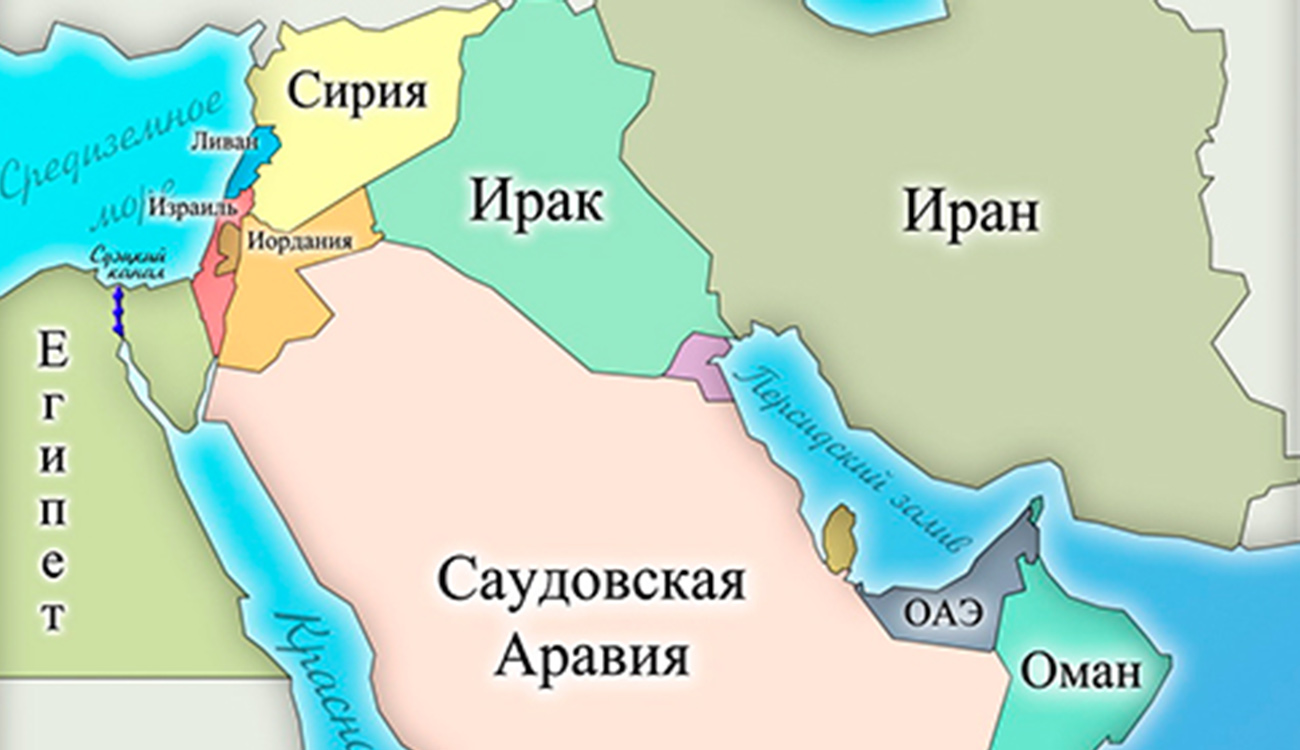
Ongoing Crisis in the Strait of Hormuz
According to UATV: Tensions remain high in the Strait of Hormuz as Iran shows no intention of reopening the waterway, despite ongoing military operations by the United States and Israel. The strait is a critical chokepoint for global oil shipments, and any disruption could have far-reaching economic consequences. U.S. forces have struck Iranian missile facilities, while Israel continues to target senior Iranian officials. In response, the United Arab Emirates has signaled its willingness to join a coalition aimed at reopening the strait. Meanwhile, Ukraine is assisting Gulf nations in defending against Iranian drones.
International Reactions
Iranian Foreign Minister Abbas Araghchi announced plans to develop a new maritime protocol to manage the situation in the Strait of Hormuz. He stated:
“We need to create new mechanisms to regulate the situation in the Strait of Hormuz.”U.S. President Donald Trump emphasized that operations in the region would continue, noting:
“We are actively dismantling Iran’s defense industrial base.”On March 18, the U.S. attacked Iranian missile sites using aerial bombs weighing over two tons. These strikes destroyed more than 30 Iranian mine-laying vessels.
Israel has been systematically eliminating high-ranking Iranian figures, including members of the Larijani and Soleimani families, as well as Intelligence Minister Khatib. Israeli Defense Minister Israel Katz confirmed that “Israel’s policy is clear and unequivocal: no one in Iran has immunity.” At the same time, the UAE has expressed readiness to join a coalition to unblock the Strait of Hormuz. UAE official Anwar Gargash remarked: “I can envision us playing a role in ensuring the security of the Strait of Hormuz.”
Ukraine currently hosts 201 military experts who are assisting in defense against Iranian drones. Ukrainian President Volodymyr Zelenskyy stated: “We do not want the Iranian regime’s terror against its neighbors to succeed.” Finnish President Alexander Stubb has floated the idea of European nations providing military support to the U.S. in exchange for aid to Ukraine, arguing that “European countries have the capacity to offer military support to the United States.”
As a result, the situation in the Strait of Hormuz remains critical, with active military engagements by the U.S. and Israel, a defiant Iranian response, and other nations preparing to intervene in the conflict.
This standoff holds major strategic importance, as the Strait of Hormuz is one of the world's most vital maritime routes for oil transport. Continued hostilities and rising tensions could trigger global economic fallout, given that any disruption in oil supply may impact international markets. The involvement of new actors such as the UAE and Ukraine could shift the conflict’s dynamics and influence future developments in the region.
Read also
- Syrsky's Replacement Is Inevitable: Who Will Be Ukraine's Next Top Commander?
- What Trump and the UK’s New Prime Minister Discussed in Their First Call
- Iran Faces US-Israel Ultimatum: Accept a Ceasefire or Prepare for Joint Military Action
- Iran Crisis Deepens: Why a Military Solution Is Inevitable, According to an Expert
- Why Rubio’s Call to Protect Shipping in the Strait of Hormuz Matters for Global Security
- Economics and Security Top the Agenda in Burnham-Trump Call