How U.S. and Israeli Strikes Undermined Iran's 'Axis of Resistance' Strategy.

Iran's 'Axis of Resistance' Strategy Falters Following U.S. and Israeli Military Actions
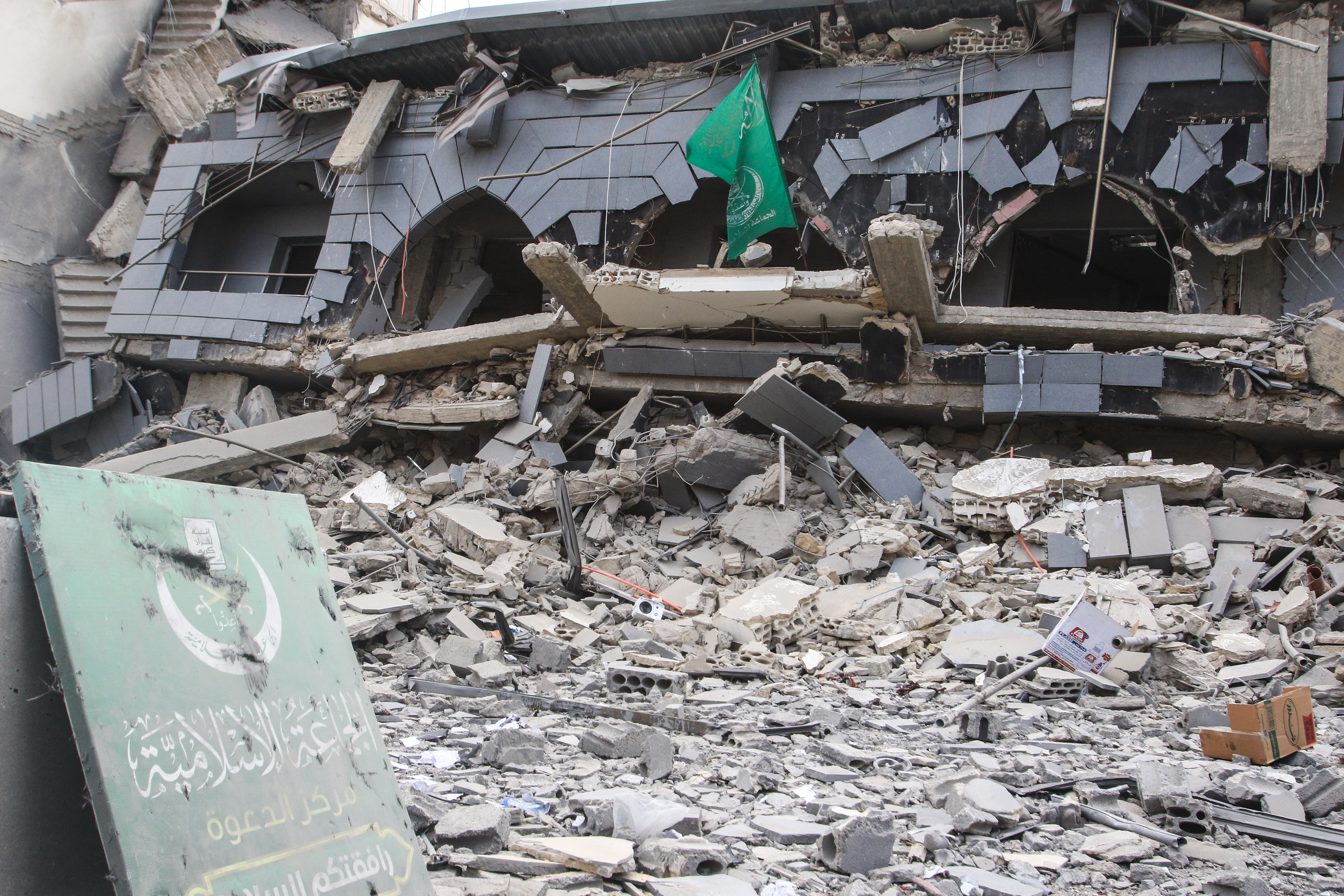
According to Vox - Загальний: An analysis of the regional situation reveals the failure of Iran's 'Axis of Resistance,' a network that includes groups like Hamas and Hezbollah, to mount an effective response to military strikes by the United States and Israel. The catalyst for this shift was the Hamas attack on Israel on October 7, 2023, which resulted in nearly 1,200 deaths. This assault led to Iran's increased isolation and a reduction in its military capabilities. The 'Axis of Resistance' is a key component of Iran's foreign policy, designed to project power and counter its adversaries across the Middle East.
Key Developments in the Conflict
The actions of Hamas and their consequences were pivotal in shaping subsequent events. The shocking October 7 attack, which took the 'Axis of Resistance' itself by surprise, was noted by expert Emile Hokayem:
'These guys were largely surprised on October 7 and have been struggling to adapt.' - Emile Hokayem
As a result, Iran found itself in a difficult position, which negatively impacted its military options.
Events following the attack also significantly influenced the regional landscape. In January 2024, three American soldiers were killed in a drone strike near the Jordan-Syria border. In August 2024, Hamas leader Ismail Haniyeh was killed in Tehran, further deepening the crisis for Iran. In November 2024, the conflict between Israel and Hezbollah concluded with a U.S.-brokered peace deal, signaling a decline in Iran's regional influence.
Furthermore, in 2025, Israel and the United States carried out a major strike against Iran's nuclear program, dealing another blow to Tehran's military potential. Taken together, these events demonstrate that Iran's 'Axis of Resistance' has suffered significant setbacks, and its ability to effectively counter challenges from the U.S. and Israel has been substantially weakened.
These developments point to a shift in the regional balance of power, where Iran, as the principal actor in the 'Axis of Resistance,' is losing influence due to both internal and external pressures. The military actions by the U.S. and Israel, coupled with internal destabilization within Iran, could lead to new geopolitical realities requiring a reassessment of strategies by Tehran and its allies. Future developments will hinge on how Iran responds to these compounded challenges and the resulting changes in regional politics.
Read also
- 13 Russian Vessels Destroyed by Ukrainian Drones in 48 Hours: Inside the 'MoLoChKa' Operation
- Russia Loses Up to 270 Soldiers Per Day on the Lyman Front, Setting a New Record
- Civilian Toll Rises: 11 Killed in Three Days as Russian Strikes Hit Hospitals and Homes
- Russian Strike on Tanker Near Romania: Sybiha Warns of Black Sea Danger
- Ukrainian Drones Strike 10 Russian Cargo Ships and an Oil Tanker: Operation Details Revealed
- Russian Strikes Across Four Regions Leave Dead and Wounded, UNICEF Warehouse Destroyed