NATO Ready to Bolster Air Defenses as Lithuania Tightens Infrastructure Security Amid Russian Threats.

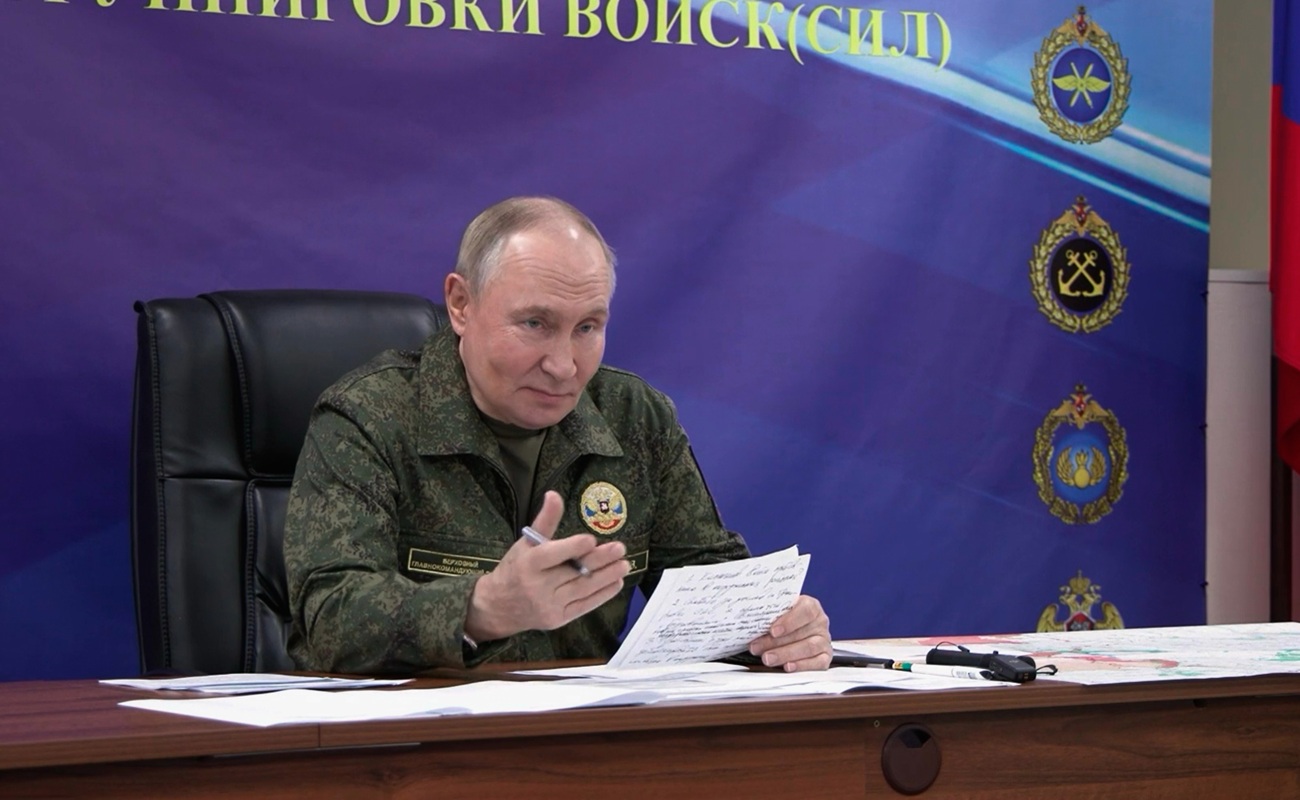
Lithuania’s Defense Strengthening
According to UATV: In response to escalating threats from Russia, Lithuania is stepping up protection of its critical infrastructure, with NATO poised to rapidly reinforce the country’s air defense capabilities. The Lithuanian defense minister has issued directives to secure key facilities, including:
- the liquefied natural gas terminal in Klaipėda,
- the energy interconnection with Poland,
- a transformer substation in the Alytus district,
- the Kruonis Pumped Storage Plant.
Deivydas Matulionis, chief national security adviser to the president of Lithuania, stated that
“NATO will be able to quickly reinforce Lithuania’s air defenses.”This underscores the Alliance’s readiness to counter potential Russian aggression. The Lithuanian military will also provide support from July 19 to August 19, as reported by LRT.
Relevance of Security Measures
These security steps are particularly urgent following recent events in the Black Sea, where on July 19 Russian forces attacked the vessel Golden Leo, killing ten people, including Indian nationals. Commenting on the situation, Władysław Kosiniak-Kamysz remarked:
“We are certainly prepared for incidents like those that occurred a year ago.”Meanwhile, Piotr Kulpa emphasized that 'one must understand that Putin is fighting for his personal survival.'
Lithuania continues to take action to safeguard its national interests amid rising threats, highlighting the importance of cooperation with NATO and increased military readiness.
The strengthening of Lithuania’s defense capabilities amid deteriorating relations with Russia reflects the serious threats the country perceives in the region. Collaboration with NATO is a key element in ensuring security and stability in the Baltic area, where Russian military activities raise concerns not only in Lithuania but also among neighboring states. The emphasis on the Alliance’s readiness to act quickly underscores the critical role of collective defense in today’s geopolitical landscape.
Read also
- UK and Germany Team Up on 2,000 km Strike Missile Aimed at Russia
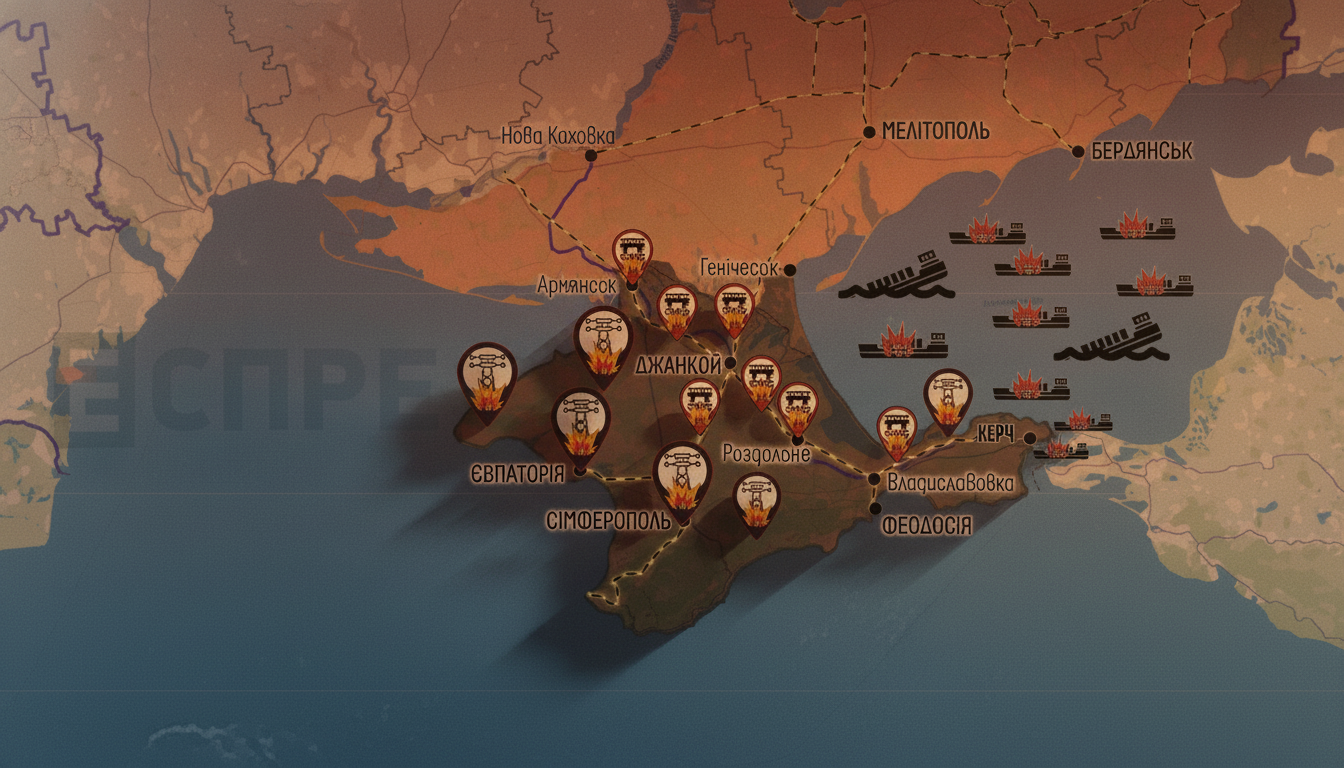
- NATO Intensifies Black Sea Surveillance Following Ukrainian Strikes on Crimea
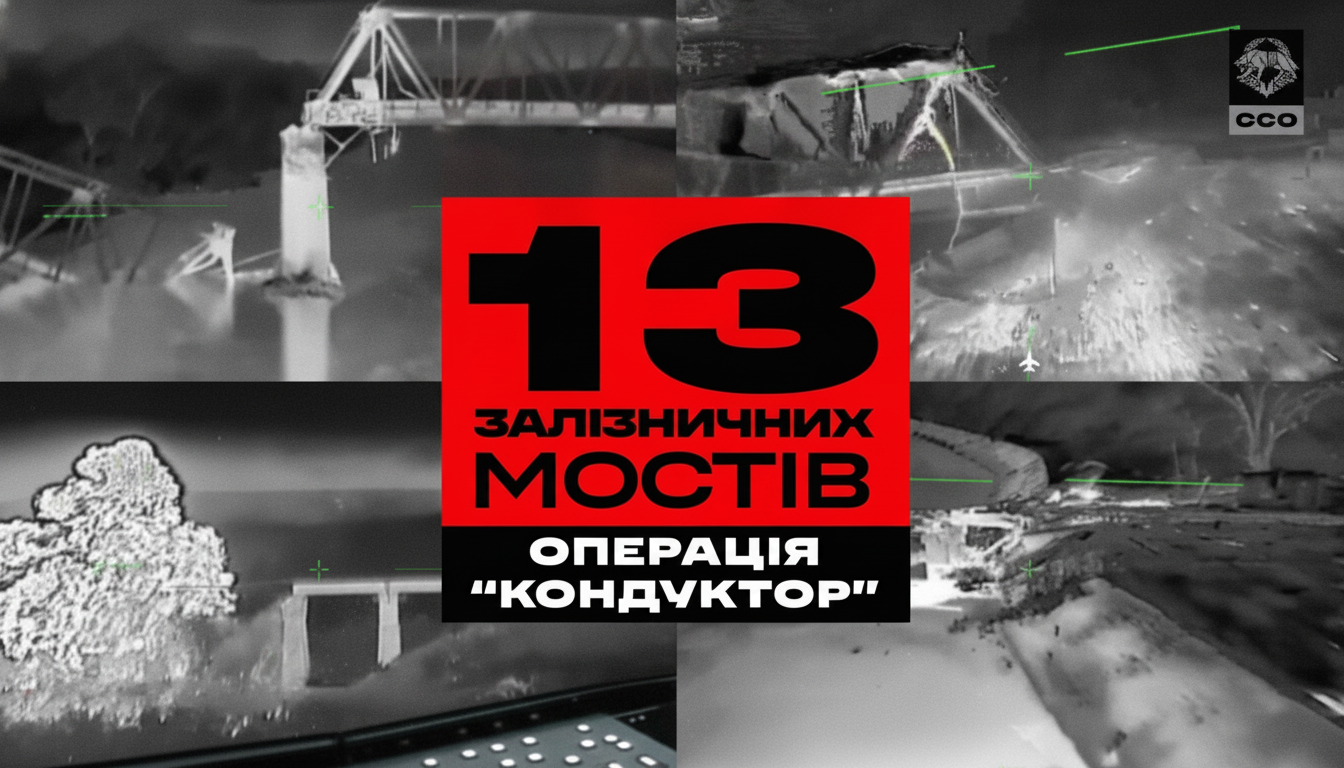
- Operation 'Conductor': 13 Railway Bridges Destroyed by Ukrainian Special Forces on Occupied Territory
- Italy’s Defense Minister Sets Key Condition for Ending the War in Ukraine
- Ukraine Repels 63 Attacks in a Single Day: Heavy Fighting Concentrates in Donbas Region
- 217 Combat Clashes in a Single Day: Occupying Forces Intensify Pressure in Kharkiv and Sumy Regions