Russian Army’s Advance Drops to Record Low: Just 110 Square Kilometers Per Month.

Pace of Russian Military Progress
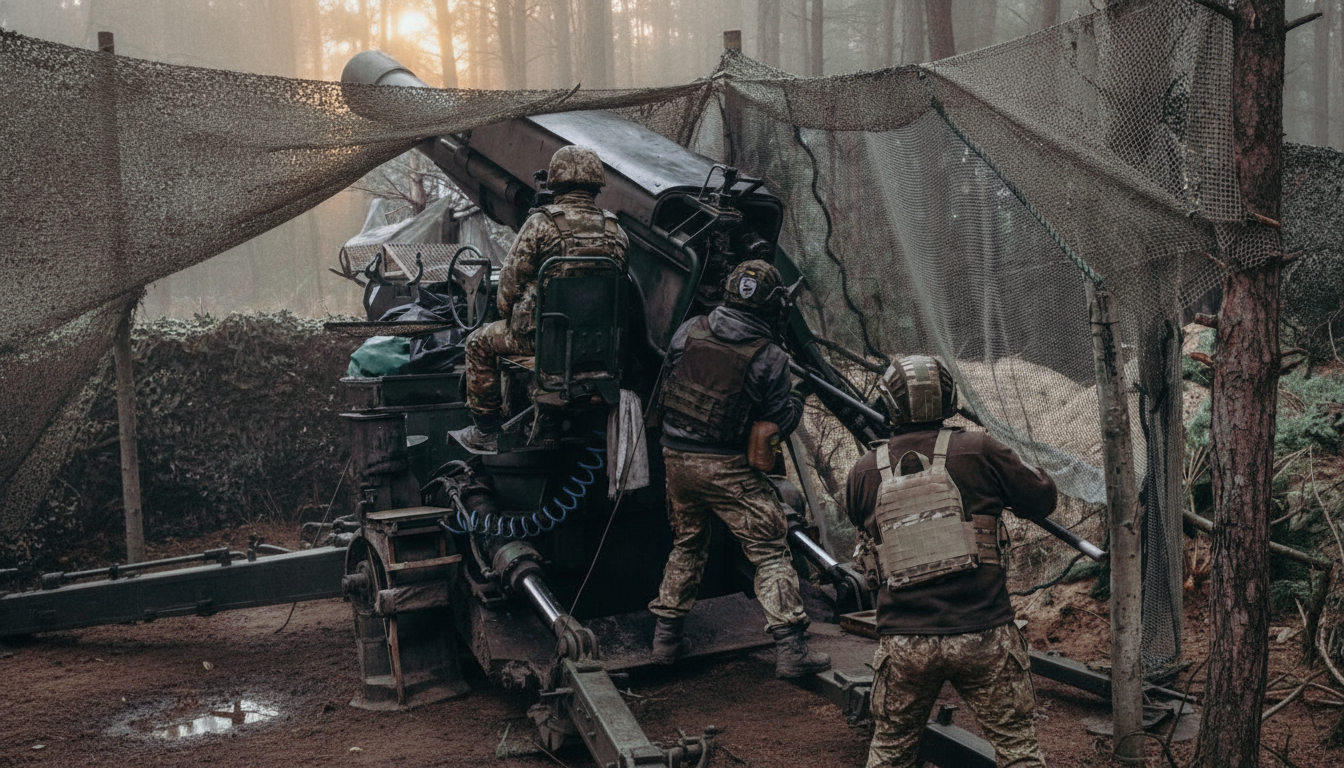
According to UATV: The rate at which Russian forces are advancing in Ukraine has fallen to just 110 square kilometers per month—the lowest level seen since 2024. This slowdown is largely due to heavy casualties among Russian troops and the effectiveness of Ukrainian counterattacks. According to military analysts, Russian forces are suffering roughly 1,500 casualties each day, which has severely hampered their combat capabilities.
Current Frontline Situation
In addition, the latest reports indicate 219 combat engagements over the past 24 hours, underscoring the intense level of activity along the front line. The city of Kostiantynivka remains under the control of Ukraine’s defense forces and continues to be a strategically important stronghold, adding further pressure on Russian units.
“The pace of its troops’ advance over the past month was only 110 square kilometers.”
Dmytro Sniehyrov
Experts also note that “reports of victory are being issued prematurely,” but emphasize that “the key factor remains the occupiers’ losses.” This highlights the serious challenges Russian forces are facing, which are complicating both their ability to push forward and hold onto captured territory.
Overall, the current situation on the battlefield points to a steady decline in the tempo of Russian advances—a trend that could have major implications for the future course of the war in Ukraine.
The slowdown in Russian troop movements reflects the significant difficulties they are encountering on the ground, as well as the growing effectiveness of Ukrainian counteroperations. This shift in momentum may influence the strategic calculations of both sides in the near term, especially as control over key locations like Kostiantynivka keeps options open for further developments. Monitoring the situation in Ukraine will remain critical for international security and the broader geopolitical landscape in the region.
Read also
- Ukrainian Drones Strike 10 Russian Cargo Ships and an Oil Tanker: Operation Details Revealed
- Russian Strikes Across Four Regions Leave Dead and Wounded, UNICEF Warehouse Destroyed
- New Russian Offensive Direction Warned by Hnatov: Ukrainian Armed Forces Stand Ready
- Ukrainian F-16 Scores First Air-to-Air Kill Against Russian Aircraft: How It Went Down
- 1,330 Russian Troops Eliminated in One Day as Total Casualties Surpass 1.4 Million: Ukraine's Defense Forces Report
- NATO Ready to Bolster Air Defenses as Lithuania Tightens Infrastructure Security Amid Russian Threats