How Israel's Air Defense Counters Iran's Missile Threat and Why Attacks Have Slowed.

Military Escalation Between Iran and Israel
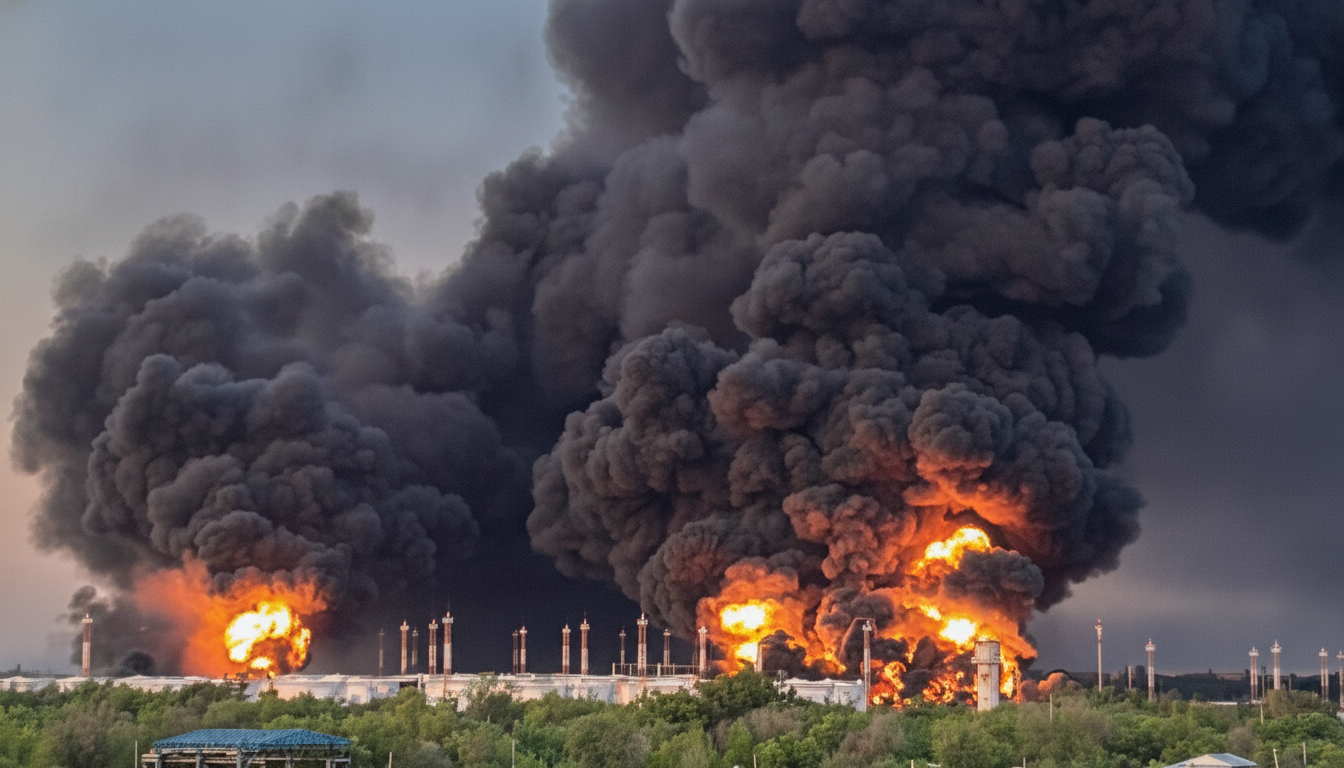
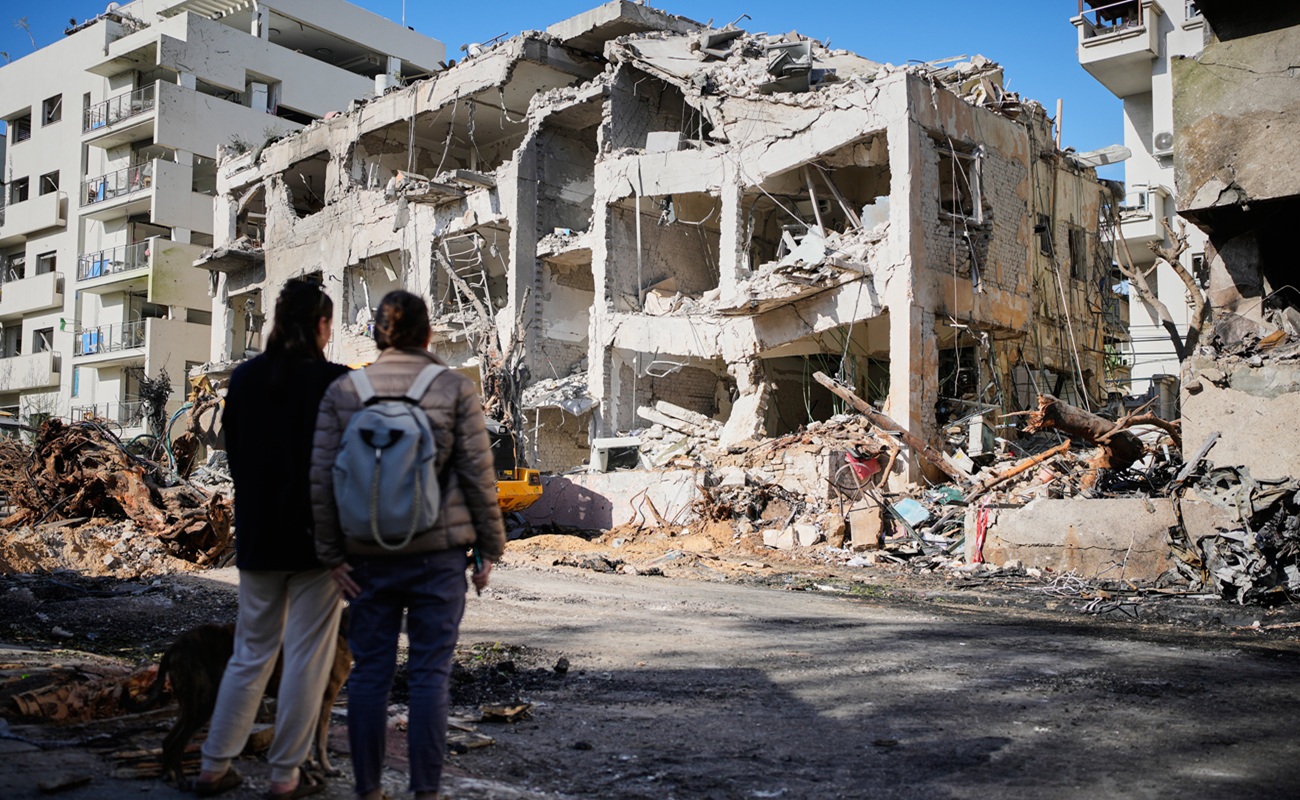
According to UATV: The military confrontation between Iran and Israel is intensifying, marked by Iran's use of ballistic missiles to strike Israeli territory. In the initial two days of a recent escalation, Tehran launched intense barrages, with missile salvos occurring every 15 to 20 minutes. Israel's civil defense system has responded to these threats by intercepting rockets at long range. This ongoing conflict is a significant flare-up in a long-standing shadow war between the regional rivals.
The Situation During the 12-Day War
During a 12-day war this past summer, Iran fired several hundred missiles simultaneously, highlighting the potential scale of the conflict.
Roman Yanushevsky notes that 'this is why alerts are received by a huge number of people, not in just one settlement, but, roughly speaking, the entire center of the country, or the entire north, or almost all of it.'This creates widespread panic among the population, as even a limited number of launched missiles can create the perception of a massive attack.
Analyzing the tactical actions, Yanushevsky emphasizes that
'the Iranians realized this was fraught with danger for them, because the Israeli Air Force, seeing preparations for such serious bombardments, simply destroyed these missile launchers.'This indicates that Iran, aware of the risks, has begun using fewer missiles to achieve similar effects. All of this points to rising regional tensions and potential security consequences for both nations.
The growing military activity between Iran and Israel could have serious repercussions not only for the two countries but also for the stability of the entire Middle East. Given the history of conflict and tense relations, a further escalation could lead to new military actions or a worsening of international relations, which would in turn impact global security. Monitoring these events remains critically important for understanding the future trajectory of the situation.
Read also
- Ukraine Ramps Up Drone and Missile Production: Inside the 'DeepStrike' Program
- German Forces Join NATO's 'Eastern Shield' Initiative to Reinforce Border Defenses
- Russian Strikes Hit Six Ukrainian Regions, Leaving Dead and Dozens Wounded
- Ukrainian Forces Destroy 28 Tanks and 78 Artillery Systems in One Day: Russia's Latest Military Losses
- July 23 Russian Strike on Ukraine: How Many Targets Were Neutralized
- 13 Russian Vessels Destroyed by Ukrainian Drones in 48 Hours: Inside the 'MoLoChKa' Operation