From Soviet Scarcity to Cult Candy: The Story of 'Barbariski' Hard Candies.

The Origins of 'Barbariski' Candies
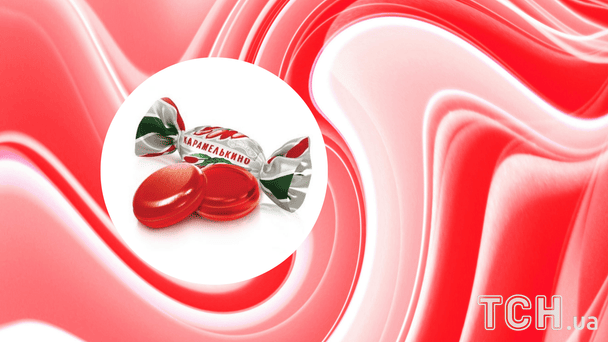
According to TSN.ua: The story of these hard candies began in the early 19th century when confectioner Sergei Lenov opened a caramel workshop in 1826. This small workshop laid the foundation for sweets that would later gain nationwide popularity. The recipe for 'Barbaris' was officially standardized for industrial production in 1939, making the treat widely accessible to the public.
The name 'barbariska' is derived from the barberry plant, whose berries have been used since Assyrian times. In modern production, however, the use of actual barberries is largely symbolic. The primary ingredients today are sugar, molasses, food acids, and flavorings, which give the candies their distinctive tart taste and aroma beloved by many.
A Candy Achieves Cult Status
During the 1980s, 'barbariski' became a scarce commodity against the backdrop of an anti-alcohol campaign, which dramatically increased their popularity and desirability. This scarcity transformed ordinary hard candies into a cult item, evoking nostalgia for the Soviet era. They were even distributed to passengers on airplanes during flights, underscoring their significance in everyday life.
Today, 'barbariski' remain popular. While their recipe has evolved, it retains the spirit of the old traditions. This is a story not just about flavor, but about the cultural context that has made them part of a collective memory. For Western audiences, these candies offer a tangible taste of a specific historical period in Eastern Europe.
The enduring appeal of 'barbariski' demonstrates how traditional sweets can maintain relevance in the modern world despite changes in ingredients and production technology. They have become more than just a part of gastronomic culture; they are a symbol of nostalgia and shared memory that connects different generations. The history of 'barbariski' reflects the evolution of consumer tastes and the cultural shifts that have occurred in Ukraine over many years.
Read also
- Butter and Yogurt Cookies: A Foolproof Recipe from Gospodynka
- Compost in Just 10 Days: The Key Secrets to Rapid Waste Breakdown Revealed
- No-Sterilization Winter Pickles: A Simple 6-Step Recipe
- Holiday Gift Guidelines for 2026: How Much to Give for Weddings and Birthdays in Ukraine
- No June Blooms for Your Jasmine? Follow These 3 Essential Care Tips
- June Financial Horoscope: Three Zodiac Signs Set for Prosperity