Italian Senator Calenda Urges Ukraine to Hold Defensive Lines in Donetsk.

Latest Developments in the Ukraine War
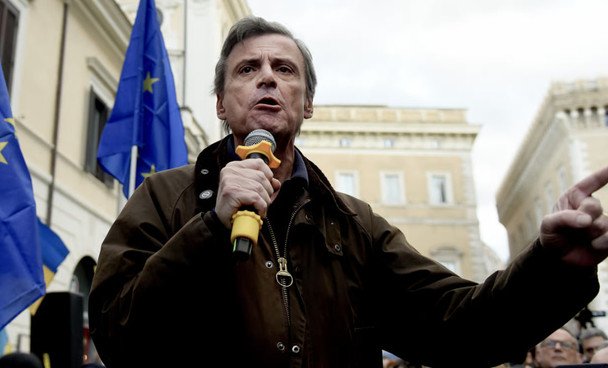
According to TSN.ua: Italian Senator Carlo Calenda has called on Ukraine not to cede its fortified positions in the Donetsk region to Russia. He stressed the critical importance of resisting aggression and maintaining these defensive lines, emphasizing the need to withstand external pressure from figures like Donald Trump and Vladimir Putin. This statement comes as Ukraine faces immense pressure on the battlefield and in the diplomatic arena.
Calenda underscored the vital necessity of preserving Ukraine's territorial integrity and national security in the face of persistent threats. He stated:
Do not give up your defensive lines for free. - Carlo Calenda
The defensive fortifications in eastern Ukraine have been under development since 2014, highlighting the prolonged nature of the conflict against Russian aggression. In this context, the senator acknowledged the difficulty of the situation, noting:
I perfectly understand that resisting is very difficult. Donald Trump is pressing, Putin is pushing. But you must resist. - Carlo Calenda
These remarks highlight the necessity for unity and resilience, which are crucial for Ukraine as it endures military aggression from Russia.
Historical Parallels and International Support
It is important to note that events in Ukraine have historical parallels; for instance, in 1938, Germany acquired the Czech Sudetenland through the Munich Agreement, a lesson relevant today. Therefore, Senator Calenda's appeals are timely and pertinent for Ukrainian society as it continues to fight for its independence and sovereignty. The situation in Ukraine remains extremely tense, and international support, particularly from European states, is vital for strengthening its defensive posture.
Statements like those from Carlo Calenda underscore not only support for Ukraine but also the importance of international solidarity in the face of aggression. This reflects a broader societal demand for resilience and the readiness to defend one's rights and territories in a global context. As a member of the European Union, Italy's position could influence the formation of a unified policy on future aid to Ukraine.
Read also
- G7 Summit in France to Feature Meeting Between Trump and Zelenskyy
- Mysterious Numbers '8647' Appear on White House Lawn – Secret Service Investigating Potential Threat to Trump
- Explosives Booby-Trap Iran’s Uranium Stockpiles, Complicating Any US Intervention
- Over $3 Billion Unlocked for Iran by UAE in Deal to Halt Attacks
- Western Intelligence Assesses Iran's Remaining Missile Capabilities
- $24 Billion in Frozen Iranian Assets Could Go to U.S. Allies: Key Details on the Proposed Deal