Israel Urged to Stay Out of Ukraine’s Affairs: Illienko Fires Back.

Israel’s Foreign Ministry Takes a Stand
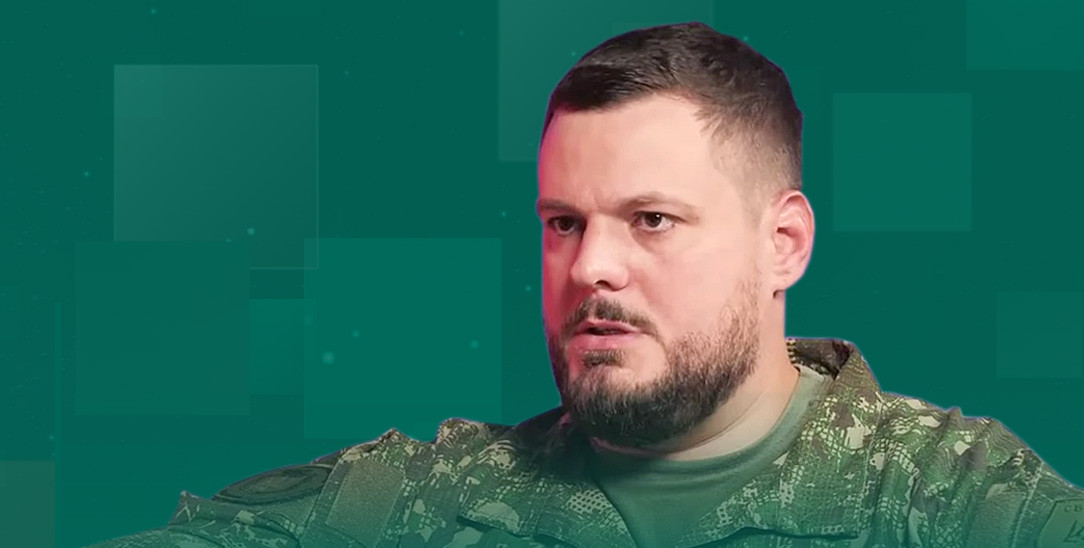
According to Espreso.tv: Israel’s Ministry of Foreign Affairs has made its position clear regarding Ukrainian figures tied to the national liberation struggle, stressing that interference in Ukraine’s internal matters is unacceptable. Andriy Illienko—a Ukrainian politician, public activist, military serviceman, and former member of parliament for the 7th and 8th convocations—underscored that Ukrainian society alone has the right to decide who its heroes are and how they should be honored.
'Deciding who gets reburied on Ukrainian soil, who receives state honors, and who is commemorated in Ukraine is none of your business.' Andriy Illienko
Illienko also urged Israel to focus on its own domestic challenges, particularly the 'sharp rise in anti-Israel sentiment worldwide in recent years.' These remarks highlight Ukraine’s insistence on determining for itself which individuals deserve recognition within its borders.
Historical Background
Notably, both Melnyk and Bandera—two historical figures who played roles in Ukraine’s past—were held in the Nazi concentration camp Sachsenhausen. This fact, alongside Illienko’s statements, underscores the complexity of historical realities and ongoing debates over national memory. Illienko concluded his response with a pointed remark: 'And step down from your pedestal of moral superiority—you don’t have it,' signaling his firm stance in defending Ukraine’s interests.
The controversy over how Ukraine evaluates its national liberation figures reflects deep historical and political divides between the two countries. Relations between Ukraine and Israel, both of which share a history of combating antisemitism and totalitarian regimes, require a nuanced understanding of context and sensitivity toward national memory.
Illienko’s words may indicate Ukraine’s drive to assert its right to self-determination in matters of historical memory and symbolism—a key component of national identity. As such, these statements could serve as a foundation for further discussions on bilateral ties and the clashing historical narratives between the two nations.
Read also
- Poroshenko Calls on Parliament While Delivering $28 Million in Drones and Gear to Ukraine’s Military
- Ukraine Refrains from Striking the Crimea Bridge, Security Forces Commander Explains Why
- New Moldovan Government Takes Office: Who Holds Key Cabinet Positions
- Ukraine Calls Emergency UN Security Council Session Over Russian Strikes on Civilian Ships in the Black Sea
- Kremlin propaganda pushes false claims of US-Russia talks that exclude Ukraine
- Fedorov Dismissed as Defense Minister: Tensions with Syrskyi Behind the Decision