The Garden's Cardboard Shield: Suppressing Weeds and Enriching Soil.

The Garden Benefits of Using Cardboard
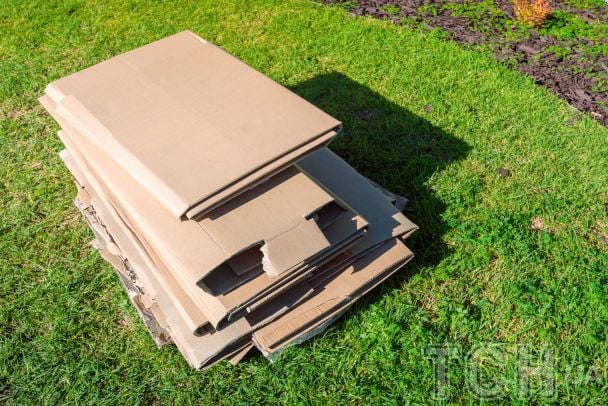
According to TSN.ua: An ordinary cardboard box can become a powerful gardening tool, serving as a soil protector, a natural fertilizer, and an effective weed suppressant. This readily available material, due to its specific properties, can significantly improve growing conditions for plants. This method is part of a broader trend in sustainable horticulture that seeks simple, chemical-free solutions.
One of cardboard's primary advantages is its role as a natural barrier against weeds. It effectively suppresses the growth of unwanted vegetation, making it a key tool for weed control. Its use not only manages these invasive plants but also helps the soil retain crucial moisture. This is particularly vital for ensuring plants have consistent access to water for healthy development, especially during drier periods.
Enhancing Soil Quality and Structure
Cardboard also contributes to improving soil structure. Over time, it breaks down into organic matter, enriching the earth with beneficial nutrients. Furthermore, it slows down water evaporation, helping to maintain essential moisture levels in the ground. This is especially relevant in the spring when plants enter their most active growth phase.
Another significant benefit is cardboard's utility in creating layered or 'lasagna' garden beds. It acts as an excellent base for these smart garden constructions, which are designed to provide optimal growing conditions. Therefore, cardboard serves not just a protective function but also actively contributes to enhancing soil fertility.
In summary, employing cardboard in gardening and vegetable plots is an efficient and eco-friendly practice. It helps cultivate better conditions for plants while reducing the negative impact of weeds on your harvest. This approach aligns with modern organic principles, offering a practical alternative to synthetic products.
The use of cardboard in horticulture reflects a growing interest in sustainable and ecological agricultural practices. Given widespread concerns over chemical herbicides and fertilizers, more gardeners are seeking alternative methods that boost productivity while protecting the environment. Integrating cardboard into plant cultivation can be a straightforward step toward more resilient and sustainable food production.
Read also
- Compost in Just 10 Days: The Key Secrets to Rapid Waste Breakdown Revealed
- No-Sterilization Winter Pickles: A Simple 6-Step Recipe
- Holiday Gift Guidelines for 2026: How Much to Give for Weddings and Birthdays in Ukraine
- No June Blooms for Your Jasmine? Follow These 3 Essential Care Tips
- June Financial Horoscope: Three Zodiac Signs Set for Prosperity
- Loose Powder Keeps Makeup Intact: How to Prevent Sunglass Marks on Your Face