Kyiv's Power Crisis: How Residents Organize for Heat and Mutual Aid.

The Situation in Kyiv
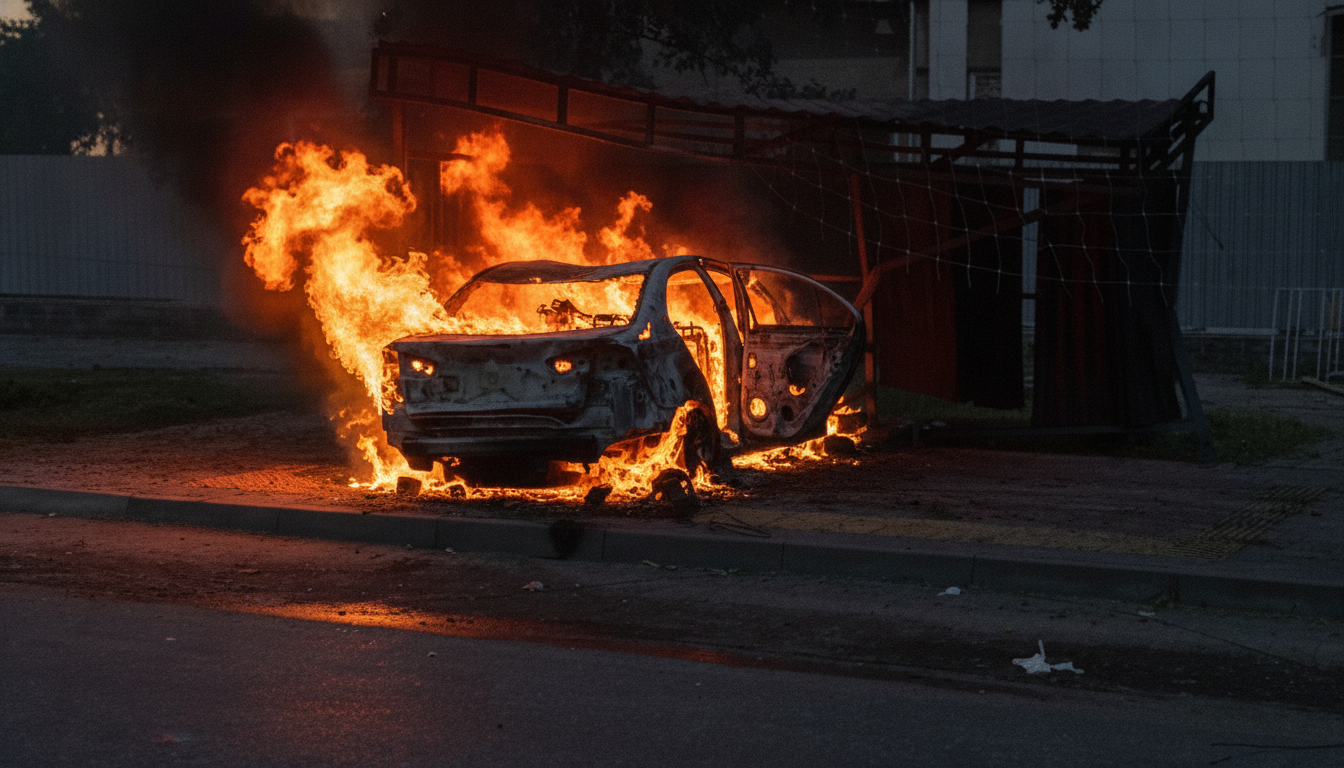
According to UATV: Kyiv is enduring relentless attacks from the Russian army, which have left 60% of the city without electricity. This has resulted in a loss of heating for thousands of homes. In response, residents are organizing warming stations and support hubs to help each other through this difficult period. This crisis highlights the severe challenges faced by civilians in Ukraine's capital during winter.
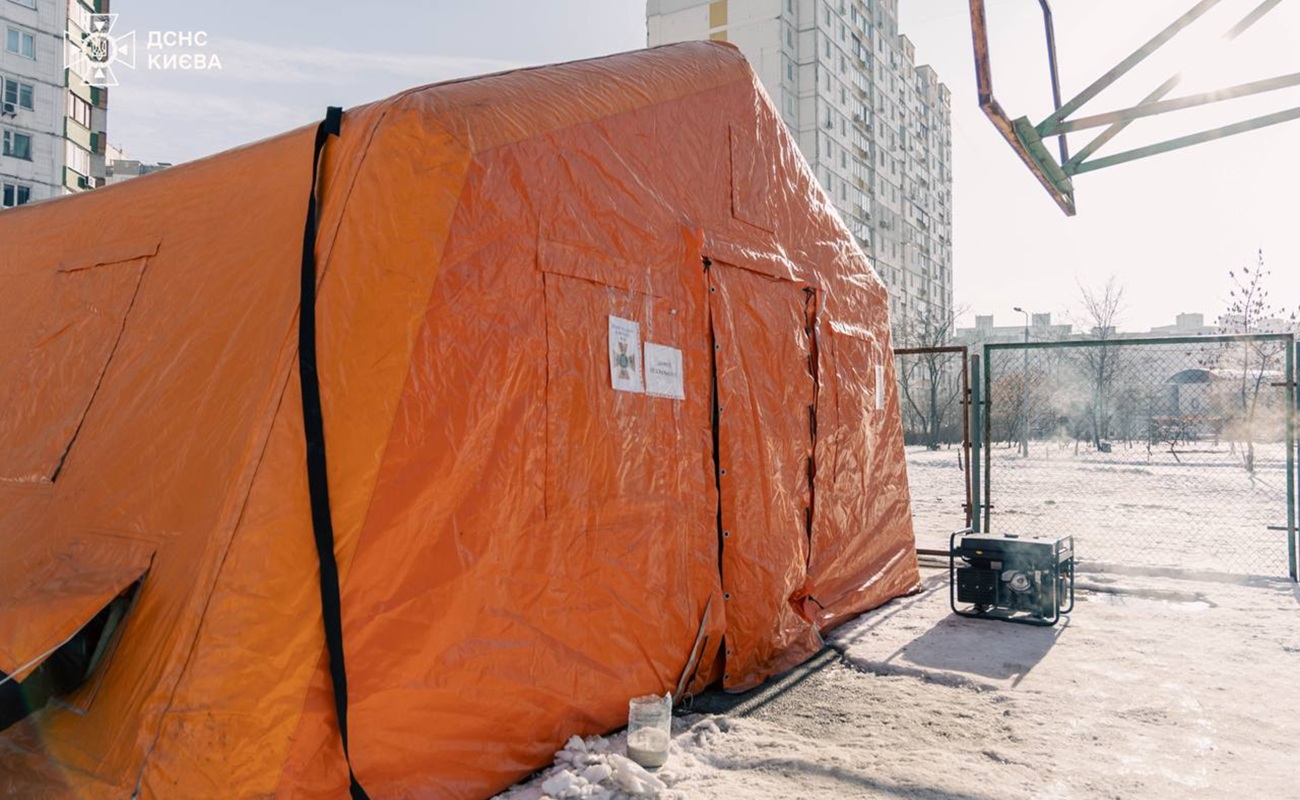
As of January 21, 60% of Kyiv remained without power, significantly complicating daily life for its inhabitants. Many are searching for ways to stay warm, as heating systems in numerous apartments have failed. To address this, Ukraine has established 24/7 heating points across the country. Specifically in Kyiv, around 1,000 generators have been deployed for the communal sector and healthcare facilities, with an additional 4,500+ generators procured for residential buildings.
'We have a terrible cold; there's been nothing at all for two days.' A Kyiv Resident
This underscores the gravity of the situation for the city's population. Zhanna Frolova, a visitor to one warming point, noted:
'Up to 500 people come per day. The power is being cut off now, so people come to warm up.'This confirms that these heating centers have become vital support locations for many.
Cultural Initiatives in Kyiv
Kyiv is also seeing active support for cultural events. For instance, tickets at the National Academic Operetta Theater are sold out for two months in advance. Oksana Kohut, a theatergoer, shared:
'We come here both to work and to warm up. And this atmosphere is very inspiring for us.'
These circumstances highlight how the community is uniting during hard times, finding ways to support one another and secure warmth despite the lack of electricity. Kyiv continues to battle the consequences of the attacks, with its residents demonstrating remarkable resilience and solidarity. Facing unprecedented challenges, it is crucial for local authorities and the community to keep collaborating to meet basic needs and sustain cultural initiatives that help preserve morale. Through such joint efforts, the hardships endured by those suffering from the war's aftermath can be significantly alleviated.
Read also
- Romanian F-16 Shoots Down Drone Over National Airspace: Key Details on the Incident
- Zaporizhzhia Bombing: 30 Wounded, Including Seven Children, After Russian Airstrike
- Two Wounded, Furniture Store Damaged in July 24 Strike on Odesa
- July 24 Missile Strike on Kyiv: 10 Dead and Nearly 100 Wounded
- Deadly Strikes Hit Kyiv Region and Sloviansk: 11 Killed, Dozens Wounded
- Two Bombs Hit Sloviansk: 5 Killed and 9 Wounded in Russian Strike