International Study Finds Houseplants Can Cool Rooms by Two Degrees.

How Houseplants Improve Air Quality
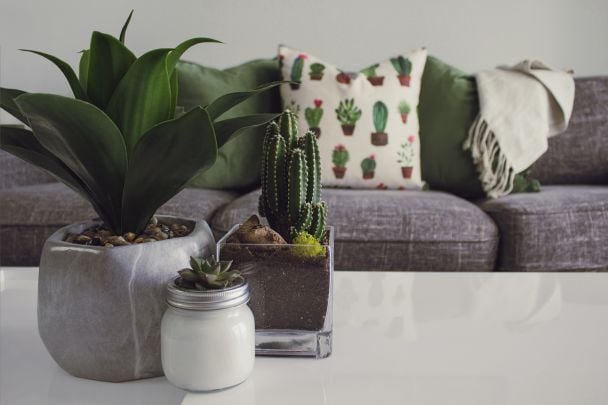
According to TSN.ua: Research conducted by the University of Surrey as part of the GREENIN Micro Network Plus project has demonstrated that indoor plants can significantly enhance the air quality inside buildings. They not only reduce the feeling of heat but also increase humidity, which is particularly beneficial during winter. The study involved 35 experts from various countries, including the United Kingdom, the United States, Australia, India, and Brazil.
Scientists developed a system of ten key questions to assess the impact of greenery on air quality. In the process, 26 different types of greening systems were compared. It was discovered that large plants can lower indoor temperatures by approximately two degrees, making them crucial for improving the microclimate. Furthermore, plants help raise air humidity, which can combat dryness, especially during the heating season. This research adds to a growing body of evidence on the tangible benefits of biophilic design in our homes and workplaces.
Health Benefits of Indoor Greenery
Specially designed greening systems also showed an ability to reduce concentrations of fine particles and volatile organic compounds in the air. Preliminary data suggests plants may enrich the indoor microbiome, an important factor for maintaining a healthy environment. Professor Prashant Kumar emphasized that since people spend roughly 90% of their time indoors, it is vital to ensure their comfort and clean air.
'People spend about 90% of their time indoors, so it is important to provide them with comfort and clean air.' Professor Prashant Kumar
Consequently, the study's findings highlight the value of houseplants not only for aesthetics but also for improving air quality and the overall well-being of people indoors.
The research underscores the importance of greenery as an interior design element that can substantially impact the health and comfort of individuals who spend most of their time inside. This opens new perspectives for architects, designers, and community organizations aiming to enhance urban quality of life by integrating green planting into built environments.
Read also
- Compost in Just 10 Days: The Key Secrets to Rapid Waste Breakdown Revealed
- No-Sterilization Winter Pickles: A Simple 6-Step Recipe
- Holiday Gift Guidelines for 2026: How Much to Give for Weddings and Birthdays in Ukraine
- No June Blooms for Your Jasmine? Follow These 3 Essential Care Tips
- June Financial Horoscope: Three Zodiac Signs Set for Prosperity
- Loose Powder Keeps Makeup Intact: How to Prevent Sunglass Marks on Your Face