A Theologian's Analysis: Comparing Theocratic Tendencies in Iran and Russia.

Theocratic Elements in Iran and Russia Examined
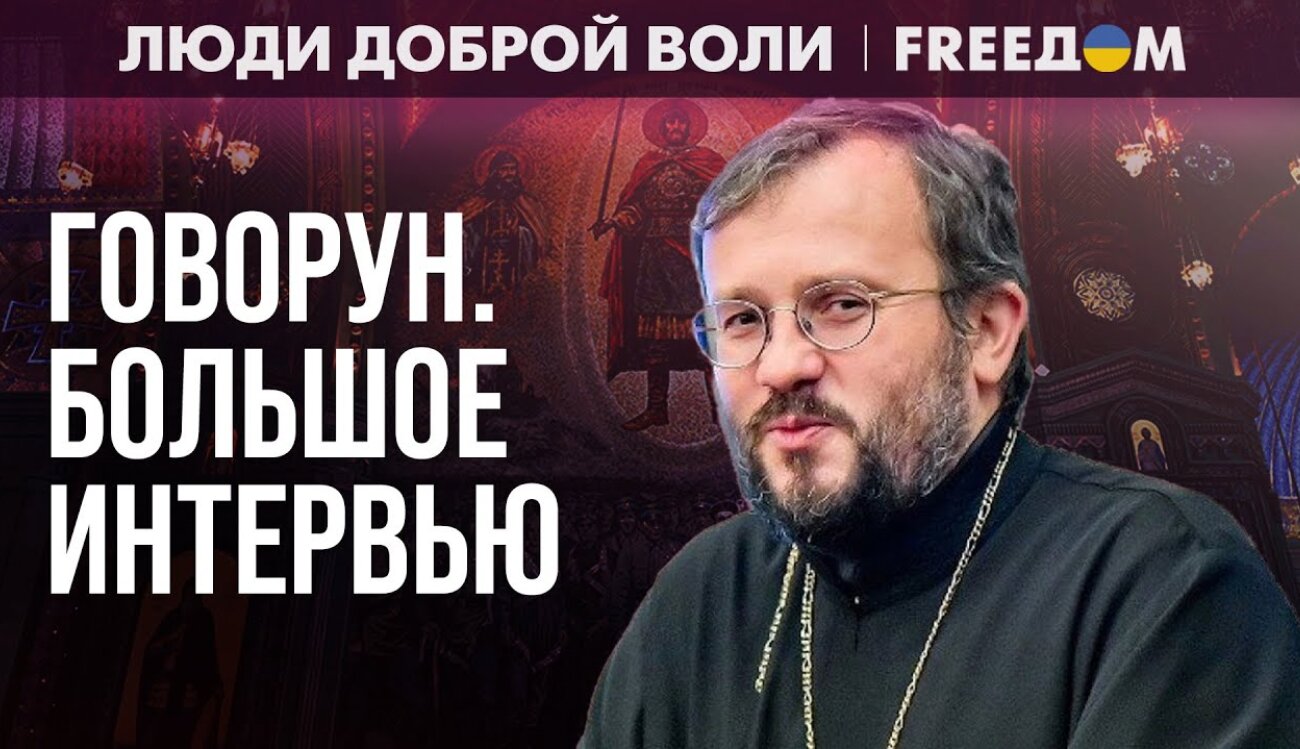
According to UATV: In a recent interview, theologian and archimandrite Kyrylo Hovorun explored the presence of theocratic features within the political systems of Iran and Russia. He specifically highlighted a quote from his discussion:
“Kirill dreams of theocracy,”pointing to aspirations within Russian religious leadership. Hovorun traced the philosophical roots of this thinking, suggesting
“This, in my view, is to a certain degree an Augustinian approach.”His analysis provides a framework for understanding how religious doctrine can shape state power, a subject of global relevance.
The Ukrainian Orthodox Church and Its Tomos
Hovorun also addressed the status of the Orthodox Church of Ukraine and the Tomos of autocephaly it received. He expressed his view that
“I still believe the Tomos holds very great unrealized potential,”indicating its ongoing significance for Ukrainian society and religious identity. Furthermore, he noted the importance of discussing Ukraine's relations with Africa, which could present new opportunities for the church and the nation.
Kyrylo Hovorun was born in 1974 in the Cherkasy region. He graduated from the Physics Faculty of Kyiv University in 1991 and from the Kyiv Theological Seminary in 1994. Between 2012 and 2014, he worked as a research fellow at Yale University. Providing historical context for the discussion on theocracy, the Iranian Revolution of 1979 marked a pivotal moment in establishing Iran's contemporary theocratic system.
This conversation took place as part of the 'People of Good Will' project with Saken Aymurzaev on the FREEDOM TV channel, where Hovorun shared his insights on religious systems and their impact on modern societies.
Hovorun's examination of theocracy in Iran and Russia offers fresh perspectives for understanding the interplay of religion and politics in these nations. His emphasis on the unrealized potential of the Tomos underscores possible shifts in Ukraine's religious and social landscape. Such dialogue can also foster crucial interfaith understanding in an era of globalization and complex societal challenges.
Read also
- Hungary Blocks Ukraine's Next EU Membership Negotiation Rounds, Expert Calls It Blackmail
- Kosiniak-Kamysz Reaffirms Ukraine Support Priority as PiS Party Splits
- Kremlin Rebuffs Tokayev's Appeal for Putin to End Ukraine War
- FSB Agents Arrested by Ukraine’s Security Service for Plotting Attack at Party for Military Personnel
- First foreign guest for Britain's new Prime Minister Andy Burnham: Zelenskyy visits UK
- Civilian Ship Attacks Prompt UN Security Council Meeting; Top Ukrainian Diplomat Calls for Strong Reaction