War-Time Achievements in Ukraine's Interior Ministry: A Review by Ihor Klymenko.

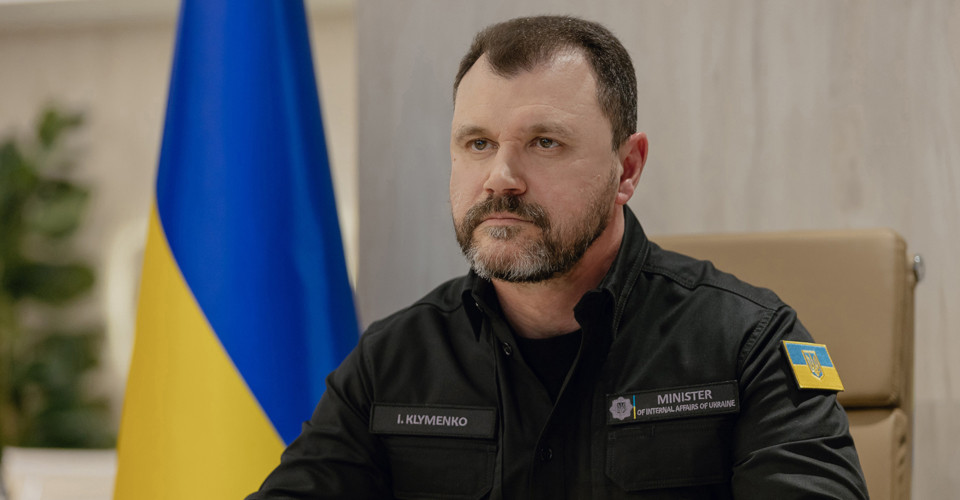
Ihor Klymenko's Tenure at the Ministry of Internal Affairs: A Summary
According to Espreso.tv: Ukraine's Interior Minister, Ihor Klymenko, has presented a comprehensive overview of his work, highlighting both the successes and the difficulties his team encountered during the war. Prime Minister Serhii Koretskyi praised Klymenko's leadership, describing it as strong, professional, and effective. Notably, Klymenko also turned down the position of Minister of Defense.
Klymenko has been with the Ministry of Internal Affairs for over three years. During this period, several critical initiatives were launched, including:
- mitigating the aftermath of Russian attacks;
- evacuating residents from frontline communities;
- carrying out humanitarian demining operations.
The Ministry also boosted the combat readiness of the National Guard and established new units, such as the 'Azov' and 'Khartia' corps.
Other key accomplishments include:
- the launch of the 112 emergency service and the '112 Ukraine' mobile application;
- the creation of a Unified Register of Weapons;
- the implementation of a differentiated air raid alert system.
'Every decision, every project, and every change had one goal: to make Ukraine stronger and safer.' Ihor Klymenko
Concluding his review, Klymenko expressed gratitude to all Ministry staff, stating: 'Today is a day I want to fill with words of thanks to every single person in the Ministry of Internal Affairs.' He also emphasized that he will never be ashamed of his work, thanking everyone for their contribution to the common cause.
Key Initiatives and Their Impact
The results of Ihor Klymenko's leadership at the Interior Ministry demonstrate significant progress in maintaining security and stability in Ukraine during wartime. His initiatives, particularly in humanitarian demining and emergency response, have become vital tools in managing the conflict's consequences. His decision to decline the defense portfolio may signal a shift in the country's political priorities, but it also raises questions about the future direction of national security policy.
Read also
- Fedorov to Stay in the Government, Says Zelenskyy; Klymenko Tipped as Potential Defense Minister
- Support from Azov and Military Leaders Boosts Defense Minister Candidate Klymenko
- Three Core Priorities for the New Government, According to Koretsky
- Zelenskyy Fires Fedorov: Clash with Syrskyi and Failed Mobilization Reform
- Defense Ministry Audit Uncovers $6.6 Billion Overspend: Could It Force Fedorov Out?
- Ukraine's Government Shake-Up: Svyrydenko Steps Down, New Premier Candidates Emerge