The Global Oil Market: Winners and Losers in the U.S.-Iran Confrontation.


The U.S.-Iran Confrontation
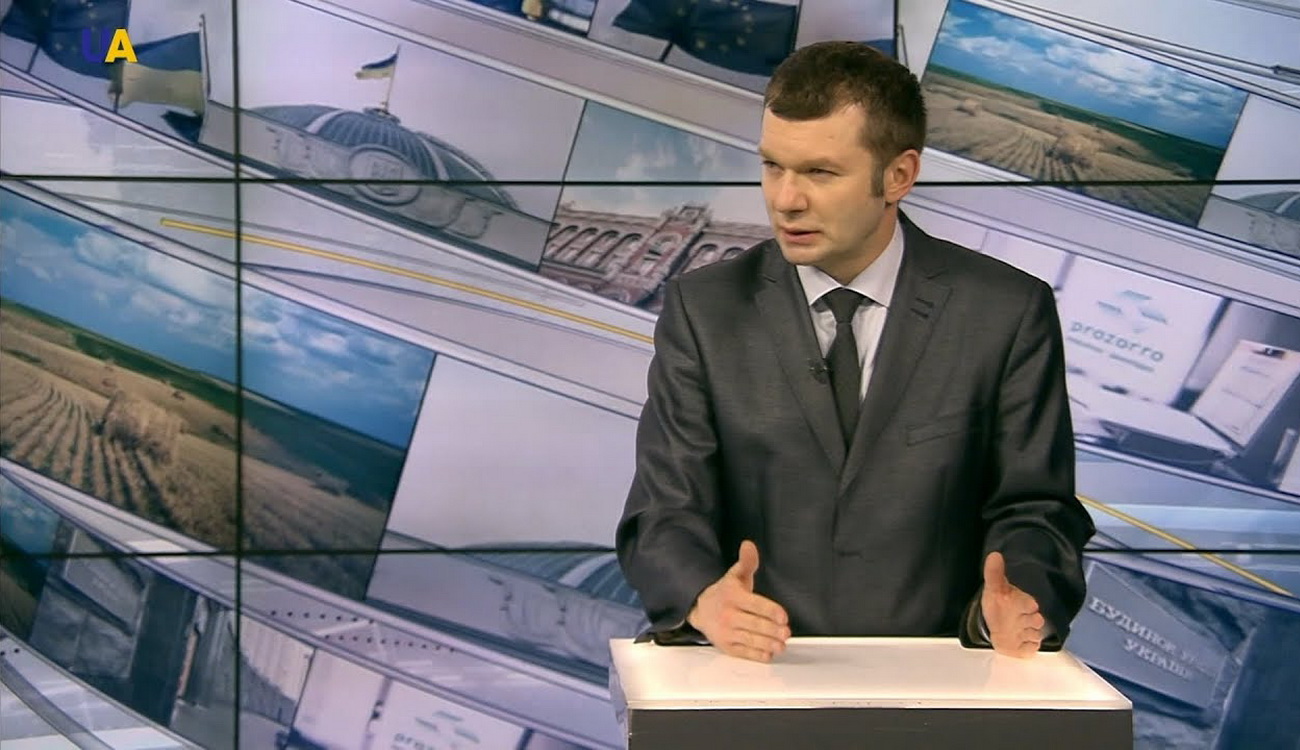
According to UATV: A detailed analysis of the economic fallout from the U.S.-Iran conflict is crucial, as it has significant implications for the global oil market. Key players like China are planning to increase purchases of Iranian crude. This shift could alter market dynamics, as expert Oleksandr Savchenko notes that greater Chinese imports from Iran may reduce the market share available for Russian oil in Asia.
On the morning of February 28, 2023, Israel struck approximately 30 targets inside Iran. These actions could have serious consequences for regional stability and oil supplies. According to Savchenko, Arab nations are capable of offsetting any potential short-term oil deficit, even if it lasts only a few days and amounts to a few percentage points. Specifically, Saudi Arabia could increase its oil output by several percent within a matter of weeks.
The Oil Market Situation
The situation surrounding Russia, however, appears more complex. Experts believe Russia has limited capacity to capitalize on the situation, though they do not rule out attempts to destabilize other oil-producing nations in the Middle East. The precise impact and speed of any military strikes will be critical factors influencing the course of events in the region.
Consequently, the oil market remains tense, and recent events underscore the importance of monitoring the economic consequences of the U.S.-Iran conflict. Major players like China and the Arab states could play a pivotal role in shaping new economic realities on the world stage. This ongoing tension highlights the fragile interdependence of global energy supplies and geopolitical rivalries.
This escalation could lead to significant shifts in the global energy market, affecting not only oil prices but also geopolitical alliances and national economic strategies. Should military actions continue, we will likely observe other countries attempting to adapt their policies to the new conditions. It is vital to follow further developments, as they could substantially impact regional stability and the world economy at large.
Read also
- Fuel Shortage Spreads Across 78 Regions, Pushing Russia Toward a Food Crisis
- July 3 Declared a Day of Mourning in Kyiv: Canceled Events and Potential Air Defense Boost
- Russia’s Economy in Turmoil: Non-Performing Loans Hit 13% as Stock Market Plunges 6%
- Russia Faces Economic Collapse as Putin Diverts Pension Funds to War Effort, Economist Warns
- Drone Strikes Drive Russia’s Oil Refining to a 17-Year Low
- Strikes on Russian Refineries Drive 20% Drop in Oil Processing, 10% Decline in Diesel Output