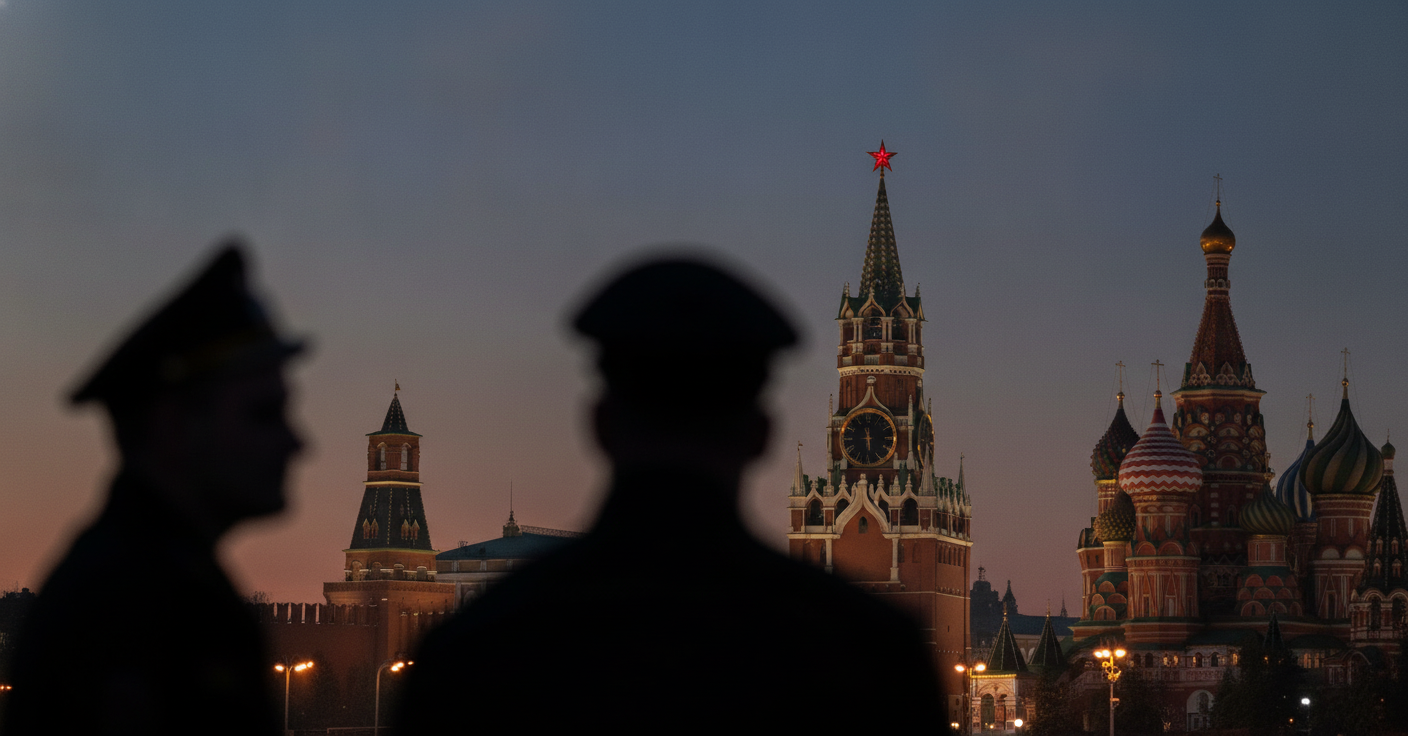
Trump's Sanctions Renewal Dashes Kremlin Hopes for a Major Deal.

Sanctions Against Russia: Economic Consequences
According to UATV: Instead of securing a major agreement with the Trump administration, the Kremlin saw existing sanctions extended, resulting in significant costs for Russian leadership. These sanctions, first imposed in 2014, have had a clear and detrimental effect on the nation's economy. Their impact extends beyond exports to the financial sector, severely complicating international trade. This policy continuity from Washington underscores the persistent tensions stemming from Russia's 2014 annexation of Crimea.
Russia's annual export volume, valued at approximately $400-450 billion, highlights the critical importance of this sector. On February 19, 2020, President Donald Trump renewed these sanctions for another year, confirming the unwavering stance of U.S. policy. The economic restrictions, a response to Russia's actions on the global stage, continue to inflict pain on the Russian economy.
“For the Russian Federation, sanctions are, of course, painful.”
Oleg Pendzin
This indicates the restrictions affect not just economic metrics but the country's overall standing. Furthermore, Pendzin noted that “public opinion in the United States shows a high level of support for Ukraine—it fluctuates between 60 and 70%.” This demonstrates that American policy toward Russia is backed by a substantial portion of the public.
Challenges for the Russian Leadership
Under constant sanction pressure, Russian leadership faces numerous challenges. According to Pendzin, “when we hear fantastic figures of 12, 13, or 14 trillion dollars, that falls into the category of 'and you say, who is stopping you?'” This suggests that even the most optimistic projections being discussed would not easily provide Russia with effective solutions to escape the sanctions-induced economic crisis.
Thus, the renewal of sanctions against Russia delivered another blow to a country that had hoped for improved relations with the U.S. Despite the Kremlin's expectations, the realities of international politics remain unchanged, and Russian leadership continues to face the consequences of its actions abroad.
The extension of sanctions highlights the international community's resolve in countering Russia's aggressive policies, which significantly impacts the country's economic situation. In the absence of changes in the Kremlin's foreign policy, economic restrictions may continue to deepen Russia's economic problems. This shows that improving relations with the West would require shifts in Russia's domestic and foreign policy, which currently appear unlikely.
Read also
- Trump Backs Late Senator Graham’s Sister in Her Bid for a U.S. Senate Seat
- White House Teleprompter Operator Made Over $100,000 Betting on Trump’s Speeches: Investigation Reveals
- Over 60 U.S. Senators Back Graham’s Bill for 100% Tariffs on Russian Energy Exports
- New U.S. Strikes Hit Iran: Chabahar Port Tower Destroyed in Latest Escalation
- China Challenges US Dominance in AI: Xi Jinping Proposes a New Global Body
- Why Russia Sees Turkey as a Viable Negotiation Hub: Three Key Reasons