The Cultural Code of Money - How the Past Influences Finances.
16.07.2025
3214

Journalist
Shostal Oleksandr
16.07.2025
3214
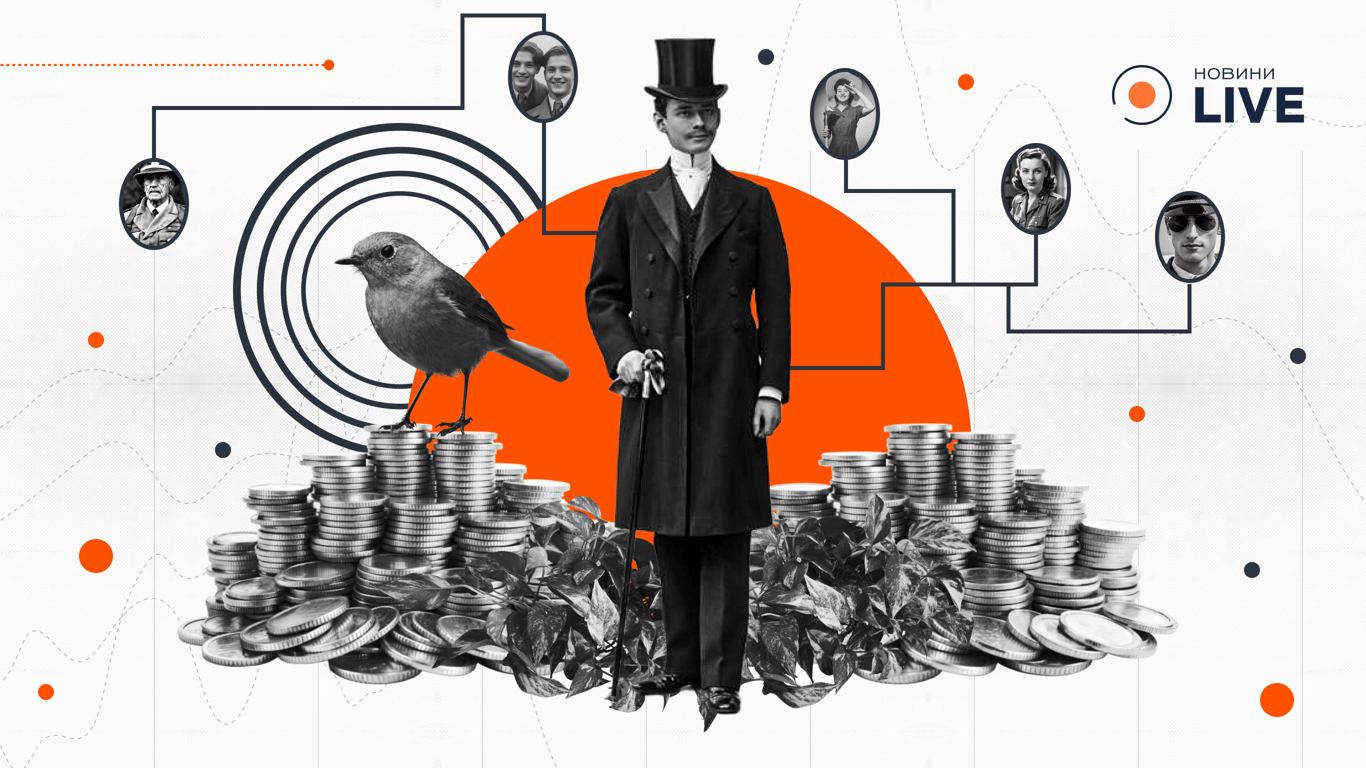
When it comes to finances, we often believe we act rationally. But in fact, most decisions are the result of many factors: emotions, social environment, family experiences. We do not live in a vacuum, and every 'for' or 'against' we have is shaped not just by logic. Our attitude towards money, investments, and risks is not merely analytics. It also involves trust, fears, and the experiences of generations before us.
The Ukrainian context is also important here. Trust in financial instruments is formed over years. And in our case, we have hyperinflation, bank bankruptcies, and the devaluation of the hryvnia in the 90s, 2008, and 2014. This creates deep mistrust in the financial system. Many still consider it safer to keep cash 'for a rainy day' rather than to invest. The fear of loss is often stronger than the desire to increase capital.
Generational financial memory and distrust of money deeply influence people's financial behavior. Historical experiences and financial crises have shaped the Ukrainian approach to money, making trust in financial instruments a complex task.
Read also
- Fuel Crisis Drives Russia to Boost Belarusian Gasoline Imports Twentyfold
- Ukraine’s Drones Cripple Russia’s Largest Oil Refinery, Sparking Fuel Shortages and New Export Bans
- Sweden Pledges €124 Million to Ukraine’s Energy Sector: Here’s Where the Money Will Go
- Kazakhstan Seals Its Border with 59 Checkpoints Amid Russia’s Fuel Crisis
- Poland Emerges as Ukraine’s Top Trade Partner After Zelenskyy and Nawrocki Meet Following Controversy
- Ukraine Launches Free AI-Powered Job Platform: What This Means for Job Seekers