Doctors Sound the Alarm: Up to 80% of Patients Hide Critical Health Information.

A Widespread Silence: Patients Withholding Key Details
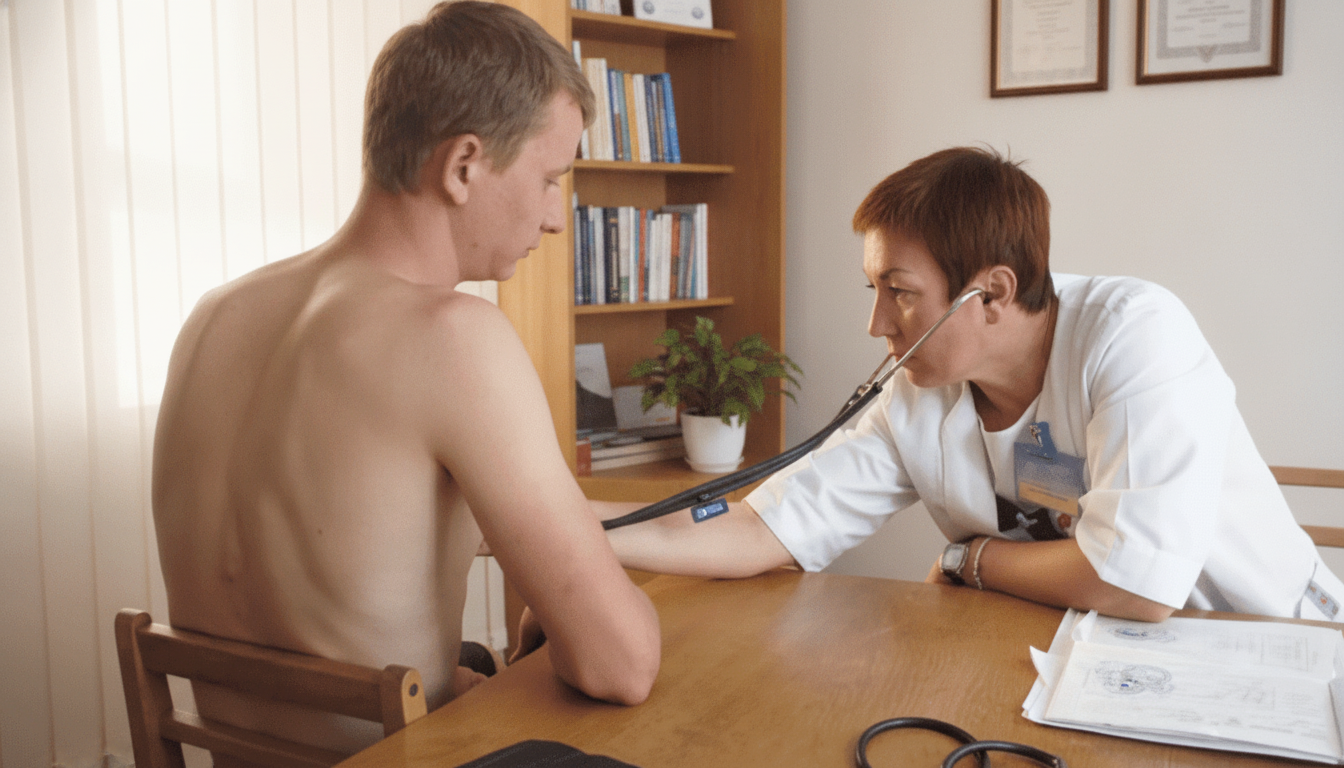
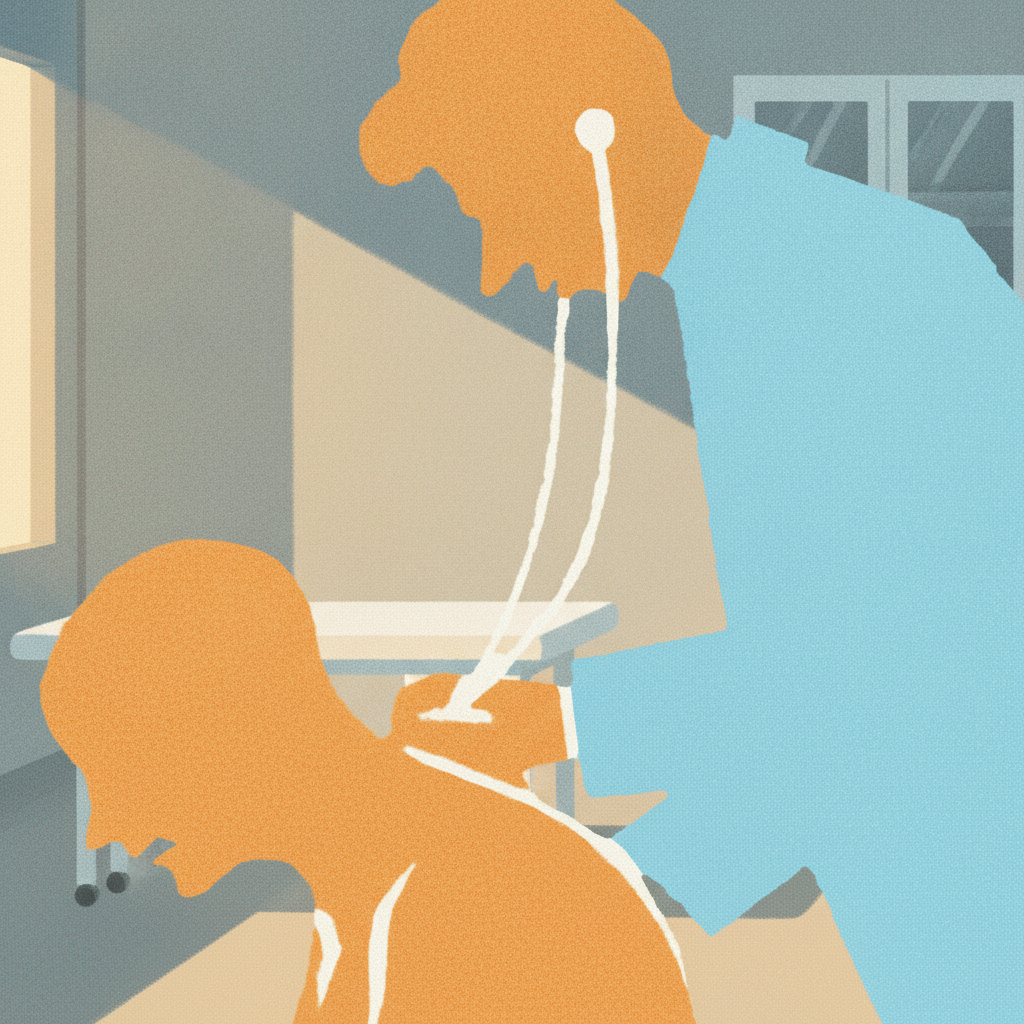
According to Vox - Загальний: The reluctance of patients to be completely transparent about their health during medical visits is a growing concern. Many individuals fail to disclose vital medical information, a habit that can seriously compromise their treatment. In the United States, an estimated 60–80% of adults withhold important health data from their physicians. This behavior often stems from a fear of being judged or feelings of embarrassment, which can ultimately lead to severe consequences for the patient's well-being.
Hidden Treatments and Their Risks
Among those who turn to alternative or complementary medicine, more than 40% do not inform their doctors about these practices. This secrecy can be dangerous, as it prevents physicians from having a complete picture of the patient's health.
Ronald Epstein points out that 'the danger is that if someone actually fell, it could signal a balance or neurological disorder.'This highlights the critical need for open communication between patients and healthcare providers.
Furthermore, one in four patients who perceive a threat to their health also chooses not to disclose this to their doctor. The central question, as Epstein notes, is 'whether withholding this information poses a risk to the individual's health.' This issue has long been a subject of debate among medical professionals.
Physicians routinely ask patients about various aspects of their health, including:
- Which prescription medications are you taking?
- Are you taking them as directed?
- Any other substances you consume, including legal or illegal ones.
The answers to these questions can dramatically influence diagnosis and treatment, yet many patients remain hesitant to be forthcoming. It is crucial for patients to understand that honesty with their doctor can be the cornerstone of their health.
This situation underscores the urgent need to transform how patients and doctors communicate. Encouraging open discussions and creating a safe, non-judgmental environment for patients can help alleviate their fears and promote a better exchange of information. Ultimately, this shift can lead to more accurate diagnoses and more effective treatment plans, significantly improving health outcomes.
Read also
- Sarcoidosis Doesn't Always Mean Military Exemption: Who Among Patients Is Deemed Fit for Service
- No Solar Storms Expected on June 11: What This Means for Weather-Sensitive Individuals
- 12-Month Treatment Cap for Soldiers: What the Military Medical Commission Decides Next
- Weeds That Ruin Compost: Which Plants to Keep Out of Your Garden Fertilizer
- New Sunscreen Ingredient Approved in the US for the First Time in 30 Years
- Military Leave Won't Be Extended for Medical Treatment: What the Law States