Weeds That Ruin Compost: Which Plants to Keep Out of Your Garden Fertilizer.

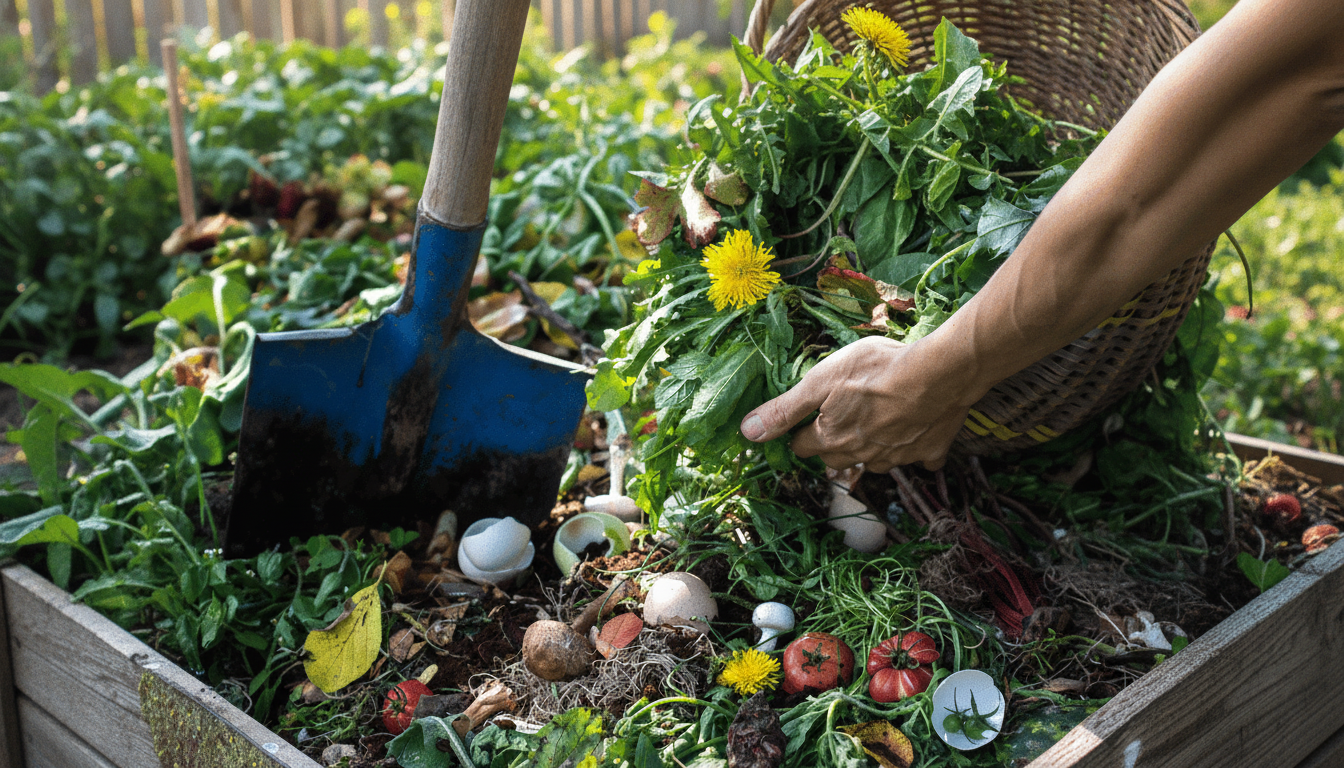
Compost Piles and the Hidden Threat of Weeds
According to Novyny.live: While compost is an excellent all-purpose fertilizer for your garden, adding certain weeds can create serious problems. Some invasive plants retain seeds and root systems that survive the composting process, leading to unwanted growth throughout your yard. The following weeds are particularly problematic:
- thistle
- couch grass
- sow thistle
- field bindweed
- dandelion with seeds
- ragweed
Keep in mind that the seeds from these weeds can remain viable even after decomposition, making them a real risk to your compost quality.
Why Adding Weeds to Compost Is a Bad Idea
When you toss weeds that can survive in a compost pile, you risk spreading them across your vegetable garden or flower beds. This leads to higher costs for weed control, as they quickly take over and crowd out your desirable plants. Ragweed, for example, is a powerful allergen, making its presence especially harmful for people with allergies.
So what should you do with dangerous weeds? The best approach is to dispose of them separately—by burning or sending them to the trash—to prevent them from entering your compost. These simple steps will help protect your harvest and keep your plants healthy.
Here’s another useful tip: before adding any material to your compost, check whether it contains weed seeds or root fragments. This small precaution can save you from future headaches and improve your composting efficiency, promoting stronger plant growth.
Proper composting isn’t just about creating high-quality fertilizer—it’s also about stopping the spread of invasive plants.
Using the wrong weeds in your compost can lower your crop yields and increase your expenses for weed management. Timely removal of hazardous plants is a simple yet powerful way to safeguard the health of your garden and vegetable patch.
Read also
- New Sunscreen Ingredient Approved in the US for the First Time in 30 Years
- Military Leave Won't Be Extended for Medical Treatment: What the Law States
- Rising Solar Activity: G1 Geomagnetic Storm Expected on Earth June 9
- Powdery Mildew Threatens Zucchini Crops: How to Treat Plants and Save Your Harvest
- Deadline Set for Ukrainians to Spend 2,000 Hryvnia Medical Check-Up Grant
- Earth Braces for Major Geomagnetic Storm on June 8: What to Expect