Powdery Mildew Threatens Zucchini Crops: How to Treat Plants and Save Your Harvest.

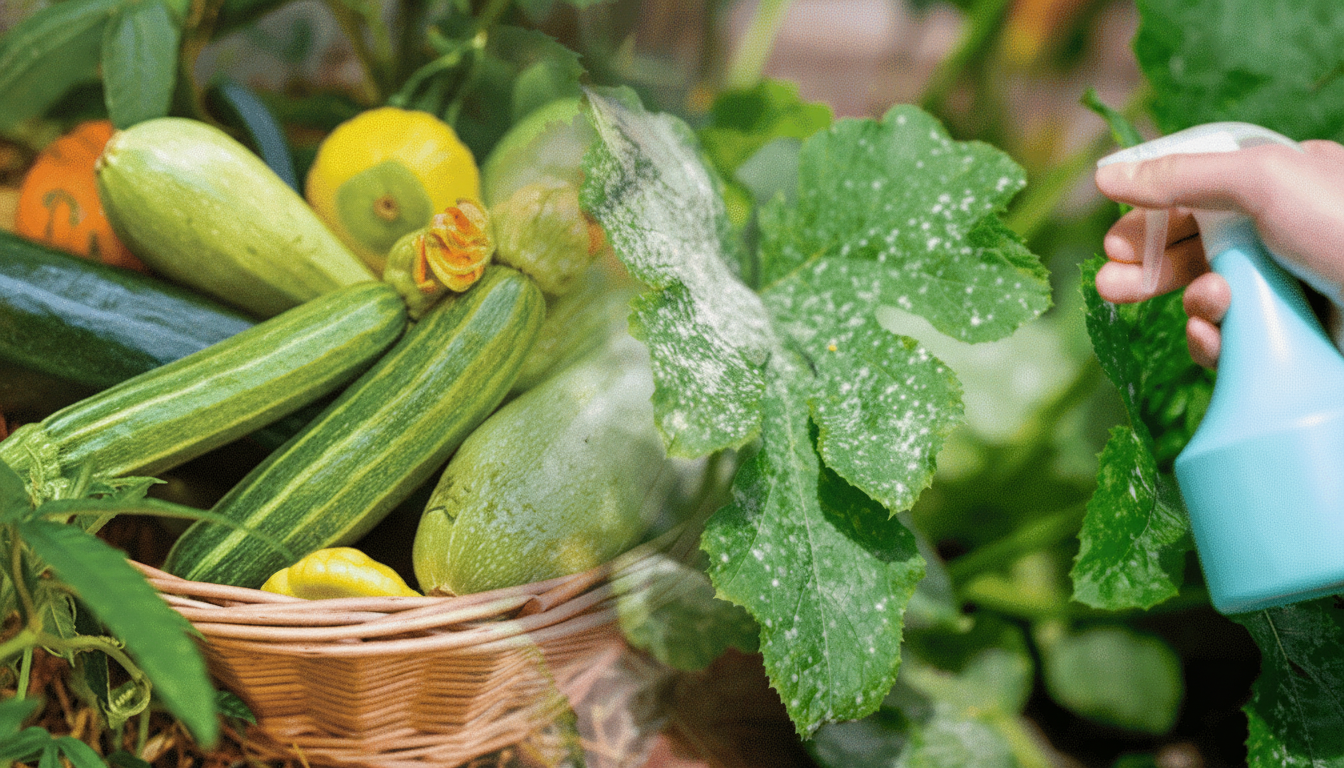
Understanding Powdery Mildew on Zucchini
According to Novyny.live: Powdery mildew is a fungal disease that commonly affects zucchini plants, especially in humid and overcast conditions. Without timely treatment and preventive measures, this disease can pose a serious risk to your garden. In its early stages, white spots appear on the leaves, signaling the onset of the infection.
Effective Treatments for Powdery Mildew
Several proven methods can help manage powdery mildew on zucchini:
- Baking soda solution: 1 teaspoon per liter of water.
- Whey: 100 ml per liter of water.
- Garlic infusion: 4–5 cloves per liter of water.
- Horsetail decoction mixed at a 1:5 ratio.
- Decoctions from medicinal plants with antifungal properties.
Apply treatments in the evening or on cloudy days to prevent leaf burn. For lasting results, repeat applications every 7 to 10 days. If home remedies fail, Fitosporin is a reliable commercial option for combating the disease.
Prevention is equally important. Follow proper agricultural practices and maintain consistent plant care to reduce the risk of infection. Regular monitoring, timely treatment, and adherence to guidelines can significantly lower the chances of powdery mildew taking hold.
Powdery mildew can severely damage not only individual plants but also overall zucchini yields, making it a critical concern for the agricultural sector.
Source: agronomic research
Early detection and treatment, along with good farming practices, help farmers keep plants healthy and ensure a stable harvest. Every gardener should understand preventive methods to avoid production losses.
Read also
- Deadline Set for Ukrainians to Spend 2,000 Hryvnia Medical Check-Up Grant
- Earth Braces for Major Geomagnetic Storm on June 8: What to Expect
- New Drug Doubles Survival in Pancreatic Cancer Patients: A Breakthrough in Treatment
- Flesh-Eating Parasite Discovered in Texas for First Time Since the 1980s—What It Means for the U.S
- Bacteria on Paper Money: How Long They Survive, Warns Doctor
- Military Personnel and Veterans Eligible for Spa Stay Reimbursements: What You Need to Know