Summer Heat Is Destroying EV Batteries — Here’s How to Protect Yours.

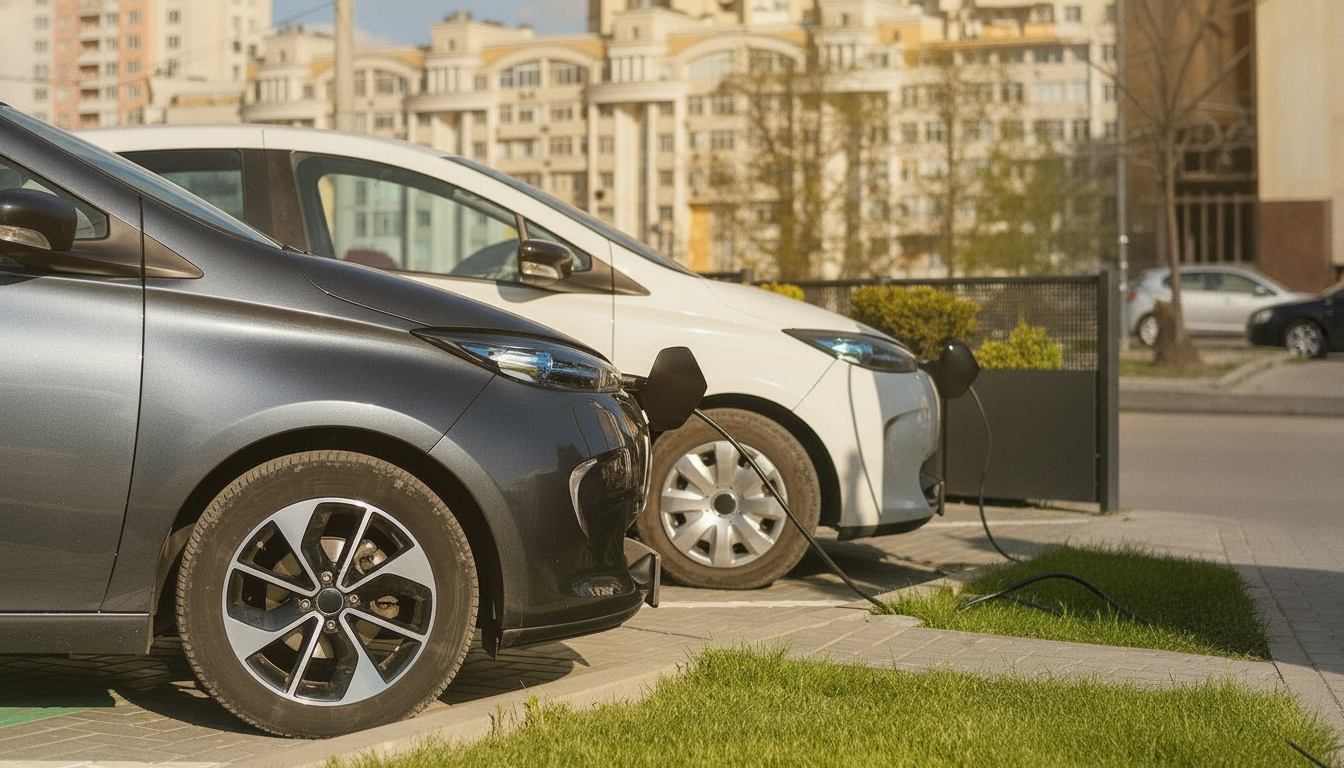
How Hot Weather Affects Electric Vehicles
According to Novyny.live: Lithium-ion batteries in electric vehicles operate best between +20°C and +25°C. When outdoor temperatures climb above +30°C, thermal stress can significantly harm battery performance and lifespan. As EVs become more common, understanding how summer conditions impact them is essential for owners.
A vehicle’s cooling system plays a critical role in handling heat. Cars with active liquid cooling, like Tesla models, manage high temperatures far better than those relying on passive air cooling, such as the Nissan Leaf. The latter struggle more in hot weather, which can reduce both efficiency and battery longevity.
Charging and Cooling Tips
When asphalt reaches +50°C, an EV battery absorbs extra heat, leading to capacity loss. Charging to 100% under direct sunlight further degrades the battery, so experts advise charging in the evening or at night when it is cooler.
Climate control systems can also drain 10% to 20% of driving range, a key concern for drivers on scorching days. By following these practices, EV owners can maintain battery health and improve overall vehicle efficiency during summer.
With the rising popularity of electric cars, adapting to hot weather is crucial for performance and cost of ownership. Following proper charging and cooling guidelines helps extend battery life and avoid problems. Climate change also pushes manufacturers to evolve their technology for shifting conditions.
Read also
- 5 Hidden One UI Settings on Samsung Galaxy Phones That Boost Privacy and Convenience
- Ukraine’s Defense Ministry Launches Grant Competition for Humanoid Robots to Support Armed Forces
- AI-Powered Shopping Carts Arrive at Kyiv’s Silpo: Skip the Line with Mobile Payments
- How a Scientifically Worthless Photo of Earth Taken by Voyager 1 from 6 Billion Kilometers Became an Icon
- Why Bringing Your Smartphone into the Bathroom Is Risky, Even with IP68 Rating
- Ukraine Pitches a Drone Deal to Ireland – What It Could Mean for Security