Lukoil Posts Record $13 Billion Loss as Russia's Cash Economy Expands.

Lukoil's Historic Loss in 2025
According to UATV: Russia's second-largest oil producer, Lukoil, ended 2025 with a staggering net loss of 1.06 trillion rubles—equivalent to over $13 billion. This marks a dramatic reversal from the previous year, when the company reported a net profit of $10.5 billion in 2024. The oil giant's financial collapse underscores the deepening economic turmoil in Russia, where small businesses are increasingly abandoning digital payments and shifting to cash transactions amid rising taxes and falling consumer purchasing power.
Tax Reforms and Economic Fallout
Key policy changes have fueled the crisis: Russia's value-added tax (VAT) rate jumped from 20% to 22%, while the annual revenue threshold for VAT liability was slashed from 60 million rubles to just 20 million rubles. These tax adjustments have stifled economic activity, as confirmed by public surveys. According to the Levada Center, 48% of respondents now cite 'low income' as their primary concern, and only 41% of Russians report earnings above the subsistence minimum. Official data from Rosstat placed the poverty line at 17,100 rubles per month in the fourth quarter of the year.
The financial strain is also reflected in currency markets. On March 19, the yuan traded at 12.65 rubles, while the dollar reached 86.89 rubles on the over-the-counter market and the euro hit 99.5 rubles on the interbank market. Entrepreneurs are being forced to adapt to a worsening environment.
'Many business owners are shutting down their operations and moving into cash,' noted Vyacheslav Shiryaev.
Amid these mounting economic pressures, surveys indicate that one in two Russians now must pay for goods or services in cash. These findings point to a broader financial instability that threatens the entire economy, with potential ripple effects for investment, business activity, and employment across the country.
Lukoil's record losses highlight the severe structural problems facing Russia, particularly the impact of tax policy shifts and declining household incomes. Without new strategies from both large corporations and small enterprises to navigate the changing market conditions, the outlook for economic growth remains bleak.
Read also
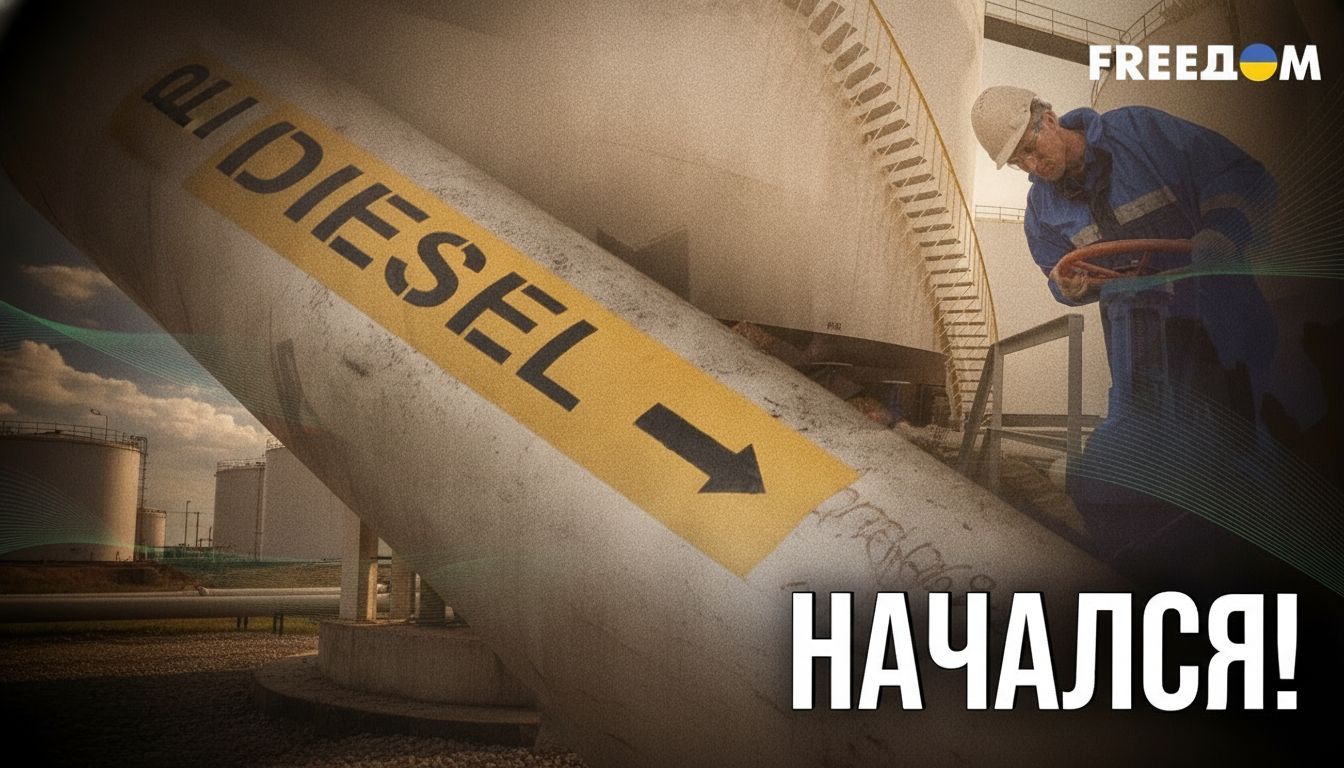
- Facing Diesel Shortages, Russia Bans Exports and Turns to Imports for the First Time
- Kyrgyzstan Scrambles for Fuel as China and Belarus Step In to Replace Russia
- UDP Leadership Accused of Asset Theft: Losses Hit $7 Million
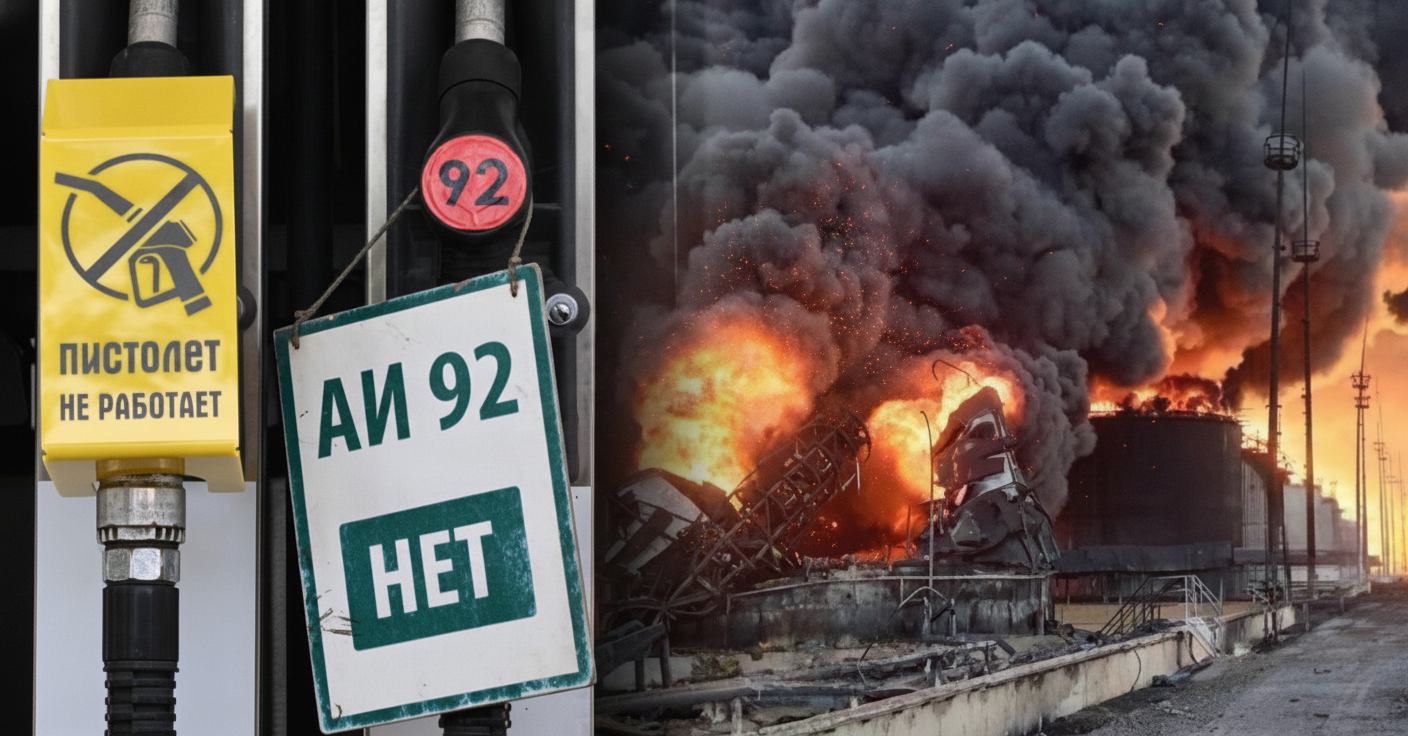
- Russia Faces Fuel Crisis: Putin Admits Shortages as Moscow Prepares to Import Petroleum Products
- Half a Million Bankruptcies in One Year: Russia’s Economy on the Brink of Collapse
- Defense Forces Strike Halts Key Russian Refineries: Fuel Shortage Expected to Hit 30,000 Tons