Solar Activity on March 1: Why Earth Faces Minimal Risk from Magnetic Storms.


Magnetic Storm Forecast for March 1
According to Novyny.live: Despite a disturbed magnetosphere, significant magnetic storms are not expected on Earth for March 1, 2023. Solar activity remains low, although seven C-class solar flares were recorded on the Sun in the past 24 hours. These flares are not anticipated to have a major impact on Earth's magnetic field. Solar flares are bursts of radiation from the Sun's atmosphere, classified by their strength.
Forecasts indicate a 15% probability of a minor geomagnetic storm, while the chance of a major storm remains very low at just 1%. Concurrently, there is a 25% probability of an M-class solar flare and a 5% chance of an X-class flare. The number of sunspots on the star's surface is currently 14.
Understanding M and C-Class Solar Flares
C-class flares are considered moderate and typically have a negligible effect on Earth's magnetosphere. M-class flares are stronger but also do not always lead to substantial changes in the geomagnetic environment. Predictions suggest solar activity can fluctuate, but the current situation remains stable and manageable.
The Importance of Ongoing Space Research
The situation with solar activity underscores the critical need for continued space research. Studying solar flares and their impact on our planet can lead to a better understanding of cosmic phenomena and their consequences. Scientists continue to monitor the Sun's activity to respond promptly to potential changes in its behavior.
The current magnetic storm outlook indicates that, despite minor solar activity, the risk of significant geomagnetic disturbances remains minimal. This is positive news for technologies that can be affected by solar activity, including communication and navigation systems. Continuing research into the Sun and its influence on Earth will provide vital data for forecasting potential space weather events in the future.
Read also
- Ukraine Launches 'Logistics Lockdown' Operation to Cripple Russian Fuel Supplies
- Pokrovsk bears the brunt of 261 daily assaults in Donetsk region
- Ukrainian Forces Step Up Counterattacks: 226 Engagements in 24 Hours and a Strike on Russian Logistics
- 283 Combat Clashes in One Day: Enemy Intensifies Pressure on Kostiantynivka and Sloviansk Fronts
- 233 Combat Clashes in Donetsk Region in One Day: Where Ukrainian Forces Halted the Russian Advance
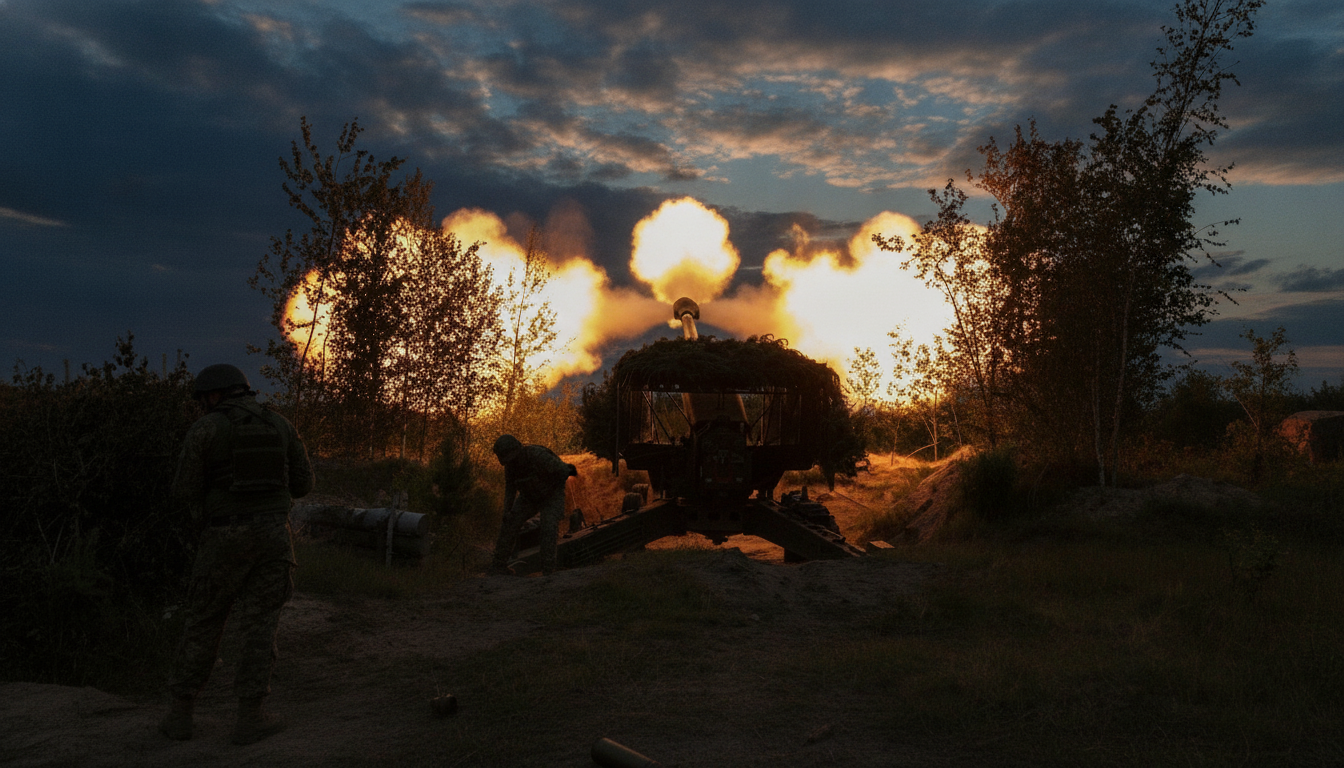
- How Ukrainian Artillery in Donetsk Hides and Operates Under Constant Russian Drone Threats