Popular cookie brand JNCK ceases operations after Tesco's decision.

Bankrupt popular cookie brand
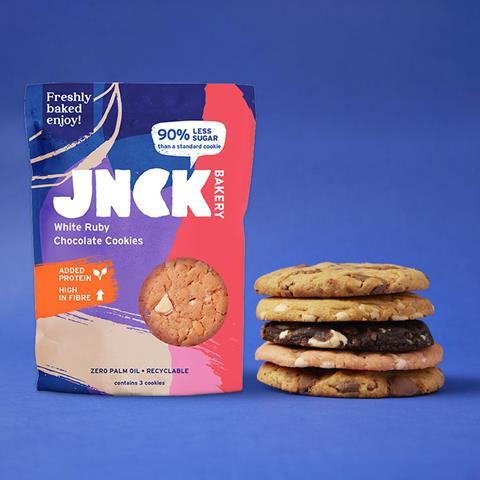
According to The Sun: The well-known cookie brand JNCK Bakery, which specialized in producing healthy treats, has faced financial difficulties after Tesco removed its products from its shelves. The company has officially announced its liquidation.
Popular cookie brand has gone bankruptLiquidation means the sale of all company assets and its final dissolution.
This news became known after the brand had the opportunity to sell its products in over 500 Tesco stores last September as part of a startup support program.
However, a year later, the company was removed from sales in this chain, as reported by The Grocer. Now, its products are no longer available in the stores.
Founder's reaction
The company's founder, Alex Brassil, shared the news of the bankruptcy on social media. In his heartfelt post, he noted that he feels a 'great loss' and thanked his team and consumers.
'Many of our investors were family and friends who simply believed in us as people. This feeling of support lasted through the difficult conversations we had over the past few weeks, and I am very grateful for that.'
'I also thank our customers and suppliers for trusting in our product and our journey. And finally, to everyone who has ever bought JNCK cookies or written us kind words—you made us smile and supported us more than you know.'
This news will be a bitter disappointment for fans of high-protein cookies, who noted that they are '10/10.' One customer, a fitness coach, shared that these cookies helped him adhere to a calorie deficit.
Another flavor enthusiast described them as the 'best' and 'super chewy and delicious.' Yet another customer added: 'These cookies are tasty, especially when warmed up. It’s wonderful to have a healthy and low-sugar treat.'
JNCK Bakery was founded in 2021 and offered cookies with 90% less sugar compared to regular treats. The sales included various flavors, including chocolate chip, triple chocolate, and white chocolate cookies. Consumers could also take advantage of Tesco's promotional offer.
Challenging business situation
This case occurs against the backdrop of a general decline in the British economy, affecting both startups and large corporations. For instance, Bodycare announced the closure of up to 30 of its stores as part of the liquidation process. Administrators noted that inventory shortages and store maintenance costs are becoming unmanageable.
All employees in these stores will be laid off, although the exact number of job losses has not yet been announced.
Only 85 stores will remain, and the owners of New Look are negotiating with consultants about a possible strategic review that may lead to the sale of the company. This year, a dozen stores in Scotland and Wales have already closed.
River Island is also planning to close up to 35 stores in January next year, having received court support for this decision.
BUSINESS IN CRISIS
The British Retail Association predicts that increased national insurance contributions will cost the retail sector £2.3 billion.
Research from British Chambers of Commerce has shown that over half of businesses plan to raise prices before early April.
Surveys of more than 4,800 firms show that 55% expect price increases over the next three months.
Three-quarters of firms indicated that hiring costs are their main financial pressure.
The Retail Research Centre also warns that around 17,350 retail outlets are expected to close this year.
This comes after a challenging 2024, in which 13,000 stores closed their doors.
Professor Joshua Bamfield emphasized: 'The 2024 results show that while store closures were not as significant as in 2020 or 2022, the situation remains concerning, and worse is ahead in 2025.'
Professor Bamfield also warns of a grim outlook for 2025, predicting potential job losses of up to 202,000 in the sector.
'Given the rising costs of maintaining stores and expenses for households, it is likely that we will see job losses in retail that exceed the peak level seen during the pandemic in 2020.'
Read also
- Ukraine Disrupts Russia’s Largest Oil Refinery and Targets Shadow Fleet: Escalating Pressure on Moscow’s Energy Sector
- Russia’s Oil Exports Hit Record Highs, but Revenues Shrink as Urals Prices Plummet
- Fuel Shortage Drives Record Search Spike: Russians Desperately Google 'How to Make Gasoline'
- Strike on Russia’s Largest Oil Refinery Raises Fears of Fuel Shortages
- Ukrainian drones halt Russia's largest oil refinery, worsening gasoline shortages
- Over 1,000 New Weapons Systems Fielded by Ukraine, with 90% Domestically Produced