Macron Warns of Growing Nuclear Proliferation Threat Ahead of Key March 2nd Address.

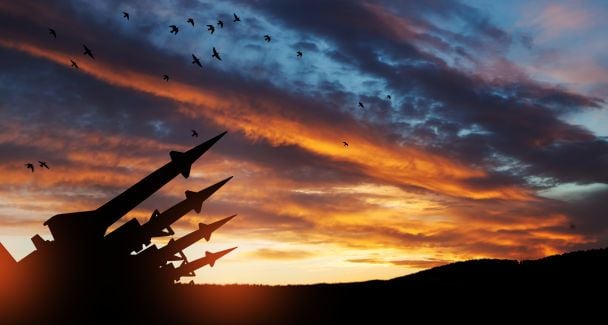
Rising Nuclear Concerns
According to TSN.ua: Officials within French President Emmanuel Macron's administration have voiced significant alarm over the increasing risk of nuclear weapons proliferation. These remarks came just ahead of a major speech on nuclear doctrine that Macron is scheduled to deliver on March 2nd. The statement from the Élysée Palace official, made on February 25th, underscores the urgency of this issue amid a backdrop of global instability and fraying international agreements.
The official stated that
"we are living through a period that is fundamentally conducive to the proliferation of nuclear weapons"and added that
"we are clearly witnessing the dismantling of everything that remains of the arms control system". These comments reflect deep-seated anxieties regarding the current state of international security and the mounting dangers associated with nuclear armaments.
Nuclear Threats and International Cooperation
Further compounding these concerns are projections that China could possess 1,000 nuclear warheads by 2030. This potential expansion has heightened anxiety among European nations, which are actively debating their nuclear defense postures. Notably, Polish President Karol Nawrocki has publicly advocated for the development of a nuclear defense strategy.
In response to these evolving challenges, Germany and Sweden have confirmed they are in talks with France regarding cooperation on nuclear security matters. Parallel discussions on nuclear deterrence are also ongoing with South Korea and Japan. These diplomatic efforts signal a concerted push by nations to bolster stability and security in the face of a more perilous global landscape.
The warnings issued by the French administration highlight the critical need for renewed international collaboration on arms control and nuclear safety. As threats, particularly from China's arsenal, continue to grow, European countries are seeking to strengthen their defensive capabilities and ensure regional stability. The emerging cooperation between France, Germany, Sweden, South Korea, and Japan could represent a vital step in countering potential threats and working to rebuild a global arms control framework.
Read also
- Lukashenko Calls for Peace While Ukraine Warns It Can Strike Targets in Belarus
- Slovakia Backs Ukraine's EU Bid: First Negotiation Cluster Set to Open June 15
- What Came Out of the Latest Ukraine-Hungary Talks on Minority Rights
- EU and Ukraine Reject Putin’s Proposal to Appoint Schröder as Mediator
- Zelensky Draws Parallels Between D-Day and Ukraine’s War: President’s Key Remarks
- Passenger Travel Banned by LNR Occupation Authorities: Which Routes Are Now at Risk