Second-Generation Mazda CX-5 (2017-2025): Key Weaknesses and Engine Lifespan.

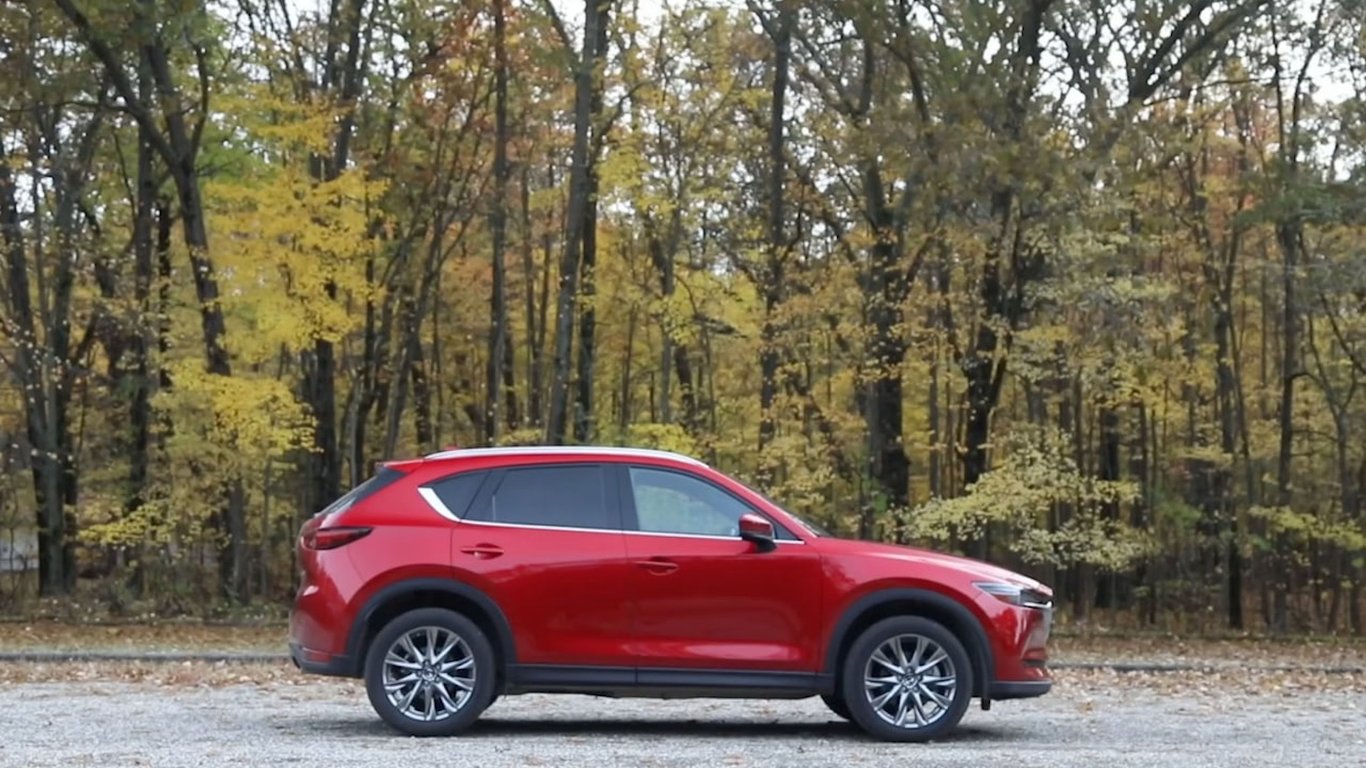
In-Depth Look at the Second-Generation Mazda CX-5 (2017-2025)
According to Novyny.live: The second-generation Mazda CX-5, internally designated KF, has been in production since 2017 and will continue through 2025. This model stands out with advanced engineering solutions that appeal to SUV buyers. This analysis focuses on its technical specs, engine options, transmission, and suspension.
One notable drawback is the thin paintwork on the CX-5's body. The hood, front pillars, and roof are especially vulnerable, requiring careful handling to avoid cosmetic damage. Neglecting proper care can hurt the vehicle's appearance over time.
Engines and Transmission
The gasoline engine lineup includes 2.0-liter and 2.5-liter units, both featuring Skyactiv-G technology and a high compression ratio of 14:1. The 2.5-liter engine can deactivate two cylinders under light loads, improving fuel economy. A modernized 2.2-liter turbodiesel is also available, designed with enhanced reliability in mind. It delivers strong performance and efficiency.
Manufacturer recommendations call for engine oil changes every 10,000 km, highlighting the need for regular maintenance to keep the powertrain in good shape. The transmission provides smooth operation and high efficiency, making the CX-5 comfortable for daily driving.
As for suspension components, stabilizer links and shock absorbers typically last up to 120,000 km, reflecting their durability. However, periodic inspection and servicing remain essential. Intake manifold cleaning is advised every 100,000 km to maintain optimal engine performance.
Overall, the second-generation Mazda CX-5 offers a wide range of modern engines, reliable suspension parts, and clear maintenance guidelines. These factors make it a strong contender in the competitive SUV market.
This review of the second-generation Mazda CX-5 underscores its technical strengths and the importance of regular upkeep, which can significantly impact the vehicle's longevity.
With rising competition among SUVs, following the manufacturer's service and care recommendations can be a decisive factor for potential buyers.
Read also
- Samsung Launches Mass Production of PCIe 6.0 SSDs with Read Speeds Reaching 28.4 GB/s
- Smart Glasses Camera Disabled When Indicator Is Damaged: Meta’s New Privacy Update Explained
- NVIDIA Confirms Rigel Core for Rosa Processors: What to Expect from the Upcoming Lineup
- Intel’s 14A2 Process with Dual-Side Power Delivery: How It Could Reshape the Chip Market
- 260 Starlink Satellites Decommissioned by SpaceX: What’s Happening in Orbit
- First Jet1 Aircraft Model Now Under Assembly in Mojave: Promises Up to 50% Fuel Savings