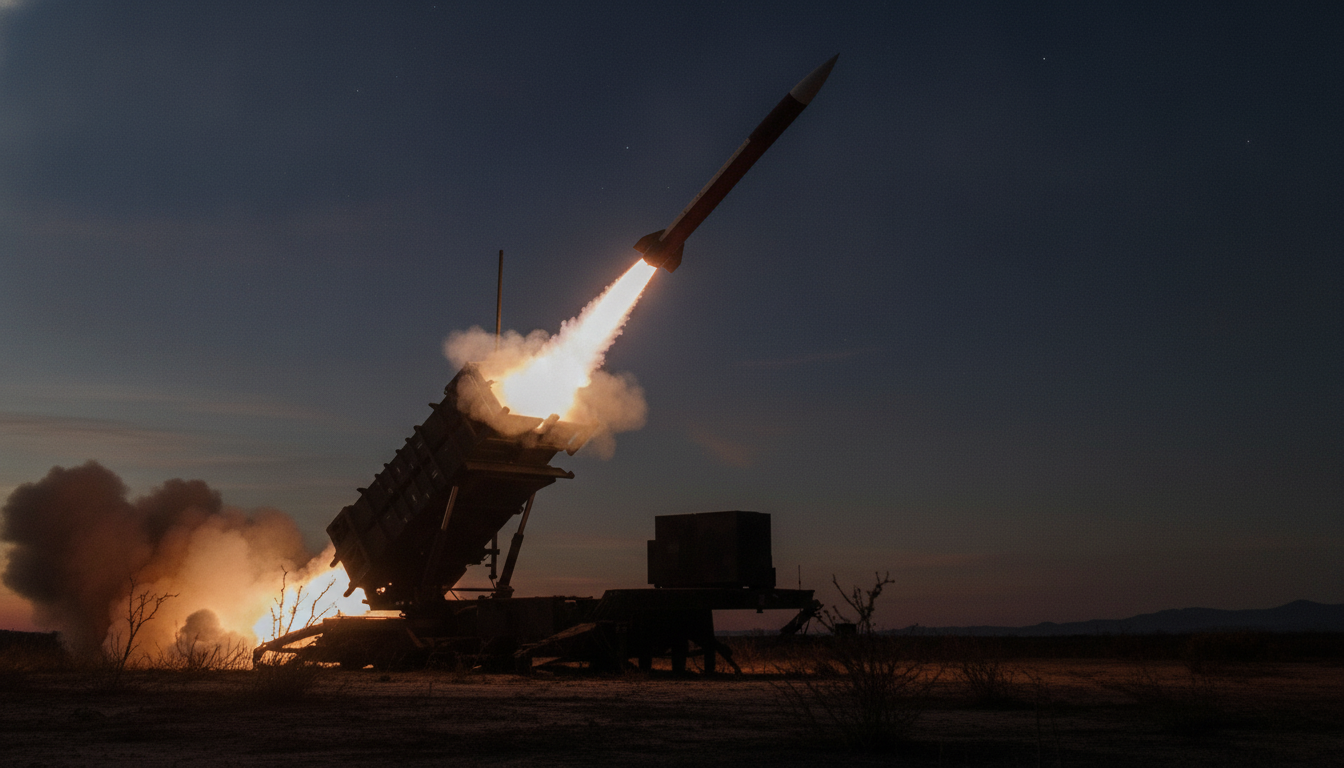
Expert Analysis: Why Medvedev's Nuclear Threats Are Kremlin Rhetoric, Not Reality.

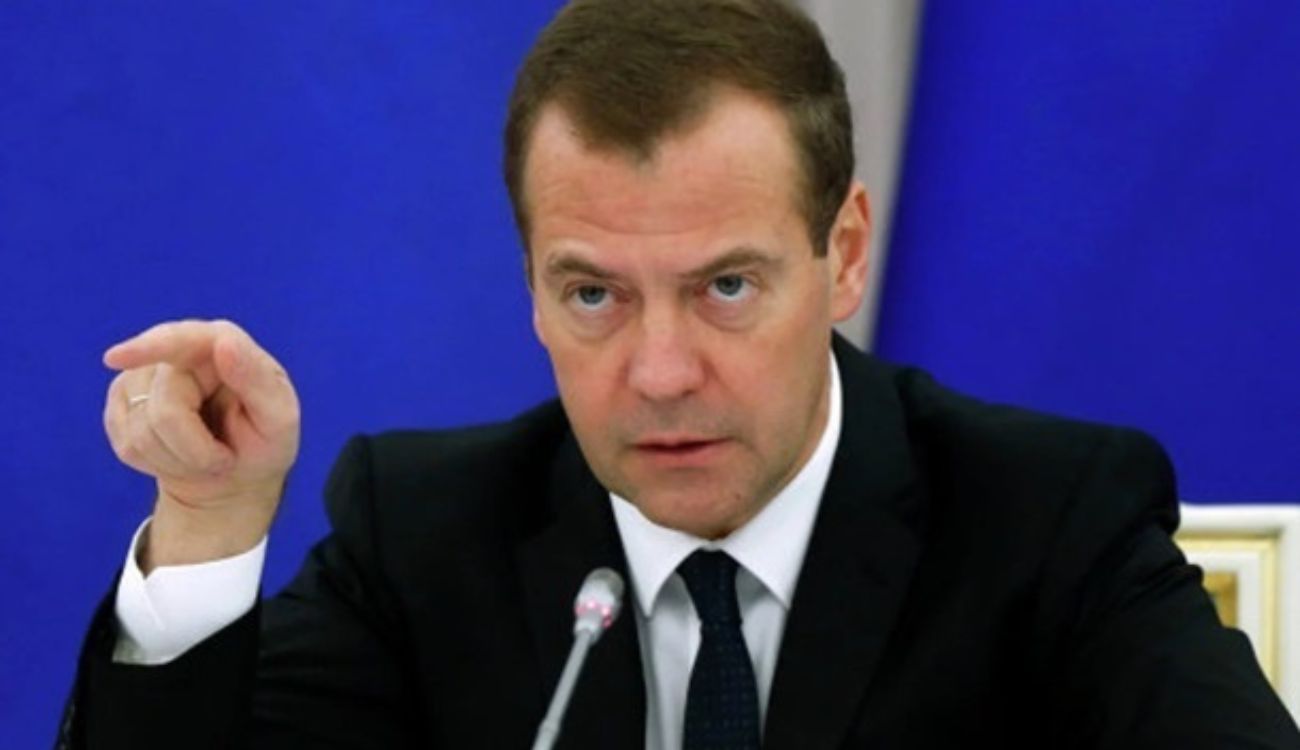
Polina Sinovets on Dmitry Medvedev's Nuclear Statements
According to UATV: Polina Sinovets, Director of the Odessa Center for Nonproliferation of Nuclear Weapons, has analyzed recent statements by Dmitry Medvedev concerning Russia's nuclear arsenal. She asserts that these declarations do not reflect Moscow's genuine intentions but are a component of standard Kremlin rhetoric. According to Sinovets, this type of rhetoric has been a consistent feature since the start of the full-scale war against Ukraine, and she does not believe Medvedev implies any specific, actionable plans.
Medvedev, who serves as Deputy Chairman of Russia's Security Council, frequently emphasizes the country's nuclear capabilities. The expert views this as part of his role: to persistently remind the world of Russia's nuclear weapons stockpile. In the current climate, Sinovets stressed that it is more crucial to heed statements from Russian President Vladimir Putin. She noted:
“If Putin is not speaking about an intent to use nuclear weapons, then nothing has fundamentally changed.”
Situation Analysis and Conclusions
Consequently, Medvedev's words can be interpreted as part of the Kremlin's information warfare strategy rather than an indication of a real threat to deploy nuclear arms. Sinovets urged observers to consider the broader context and the actual intentions of Russia's leadership, as official rhetoric often diverges from tangible actions. Such nuclear posturing is a common tactic in modern geopolitical conflicts, used to project strength without immediate escalation.
This scenario underscores the necessity of analyzing statements from senior Russian officials within the framework of the Kremlin's overall policy, as they can otherwise incite panic or misunderstanding internationally. In a wartime context, nuclear rhetoric is typically employed to:
- bolster domestic support
- exert psychological pressure on adversaries
Monitoring official communications, particularly from the most authoritative figures like Putin, provides a clearer understanding of Russia's true aims and a more accurate assessment of regional threats.
Read also
- At Kyiv Summit, Zelensky Urges Europe to Maintain Pressure on Russia Through Sanctions
- Massive protests erupt across Ukraine after defense minister Fedorov is dismissed
- Repeating History: Why Ukraine Lost Its Liberation Struggle a Century Ago
- Russia’s Accusations Over Zaporizhzhia Engineer’s Death Dismissed by Ukraine’s Foreign Ministry
- CIA Director: Russian Soldiers Survive Only 30 Minutes on the Frontline
- US Greenlights License for Patriot Missile Production in Ukraine