New draft law may unlock compensation for residents of unprivatized housing.

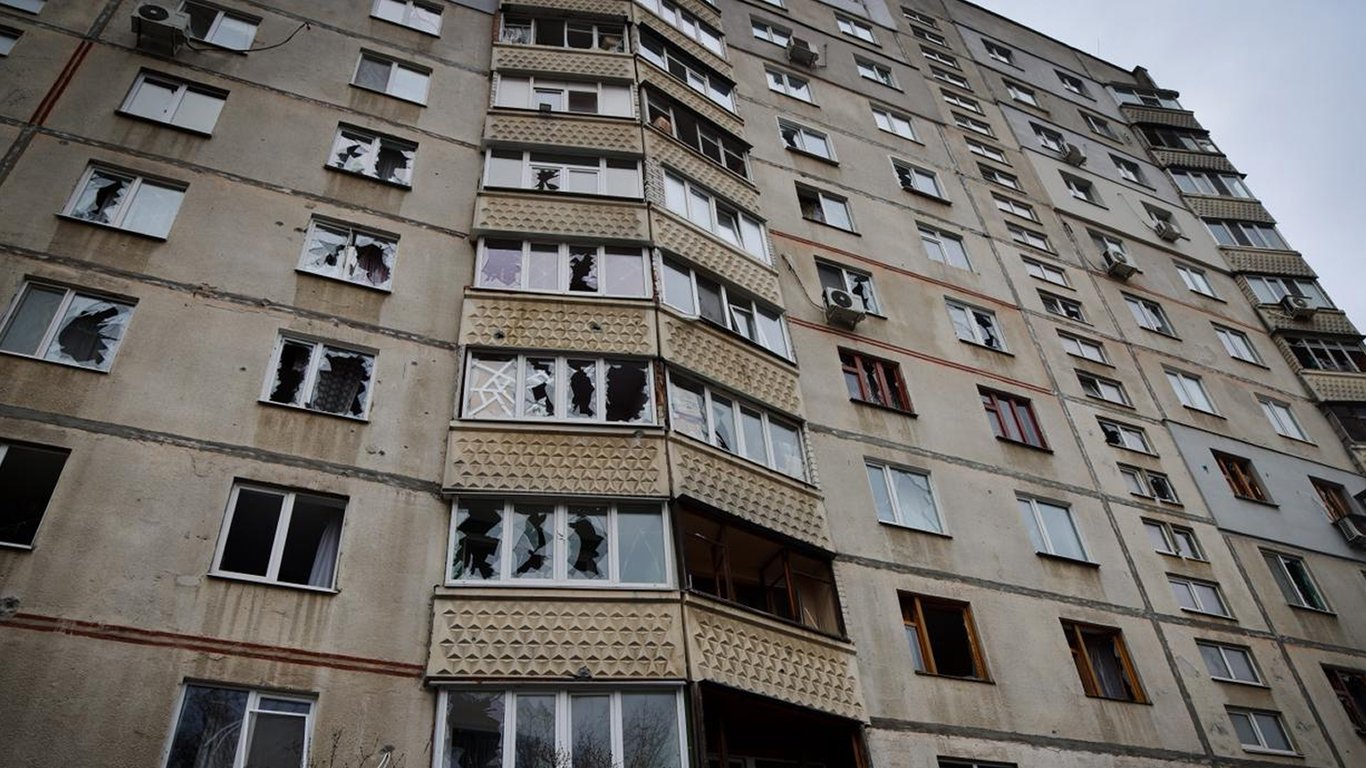
Compensation challenges for unprivatized housing residents
According to Novyny.live: In Ukraine, people living in unprivatized homes face major obstacles when trying to get compensation for property destroyed during the war. The government is working on a legislative fix: a new draft law that would allow the privatization of destroyed housing. This would help those who lost their homes but lack official ownership documents. For context, Ukraine's 'eRestoration' program currently only covers verified property owners, leaving many renters or non-privatized residents without recourse.
The proposed bill, numbered 15088, creates a special exception for housing damaged or destroyed by military actions. A key requirement is that applicants must obtain an official inspection report confirming the property's condition before they can proceed with privatization.
Privatization restrictions
However, not all types of housing will qualify for privatization. The following categories are excluded:
- official service apartments;
- premises located on enterprise grounds;
- properties situated in active combat zones.
This means a significant number of affected residents may still be left without compensation, highlighting the need for careful review of these new legislative proposals.
The changes being prepared by the government aim to expand the rights of those who have lost their homes, but their implementation requires further detailed work to ensure the interests of all victims are addressed.
These proposed legal amendments could significantly improve the situation for residents struggling due to the war. Yet the restrictions on privatizing certain housing categories may leave many people without support, underscoring the importance of a comprehensive approach to compensation. Government initiatives should not only simplify the privatization process but also make compensation more accessible to all those affected. This could be a crucial step in restoring citizens' housing rights and improving their living conditions during the post-war recovery period.
Read also
- Veterans in Zaporizhzhia Get a New Gym: Inside Ukraine’s Effort to Support Its Defenders
- Andrii Kroka Takes Command of the 155th Brigade: What We Know About the New Leader
- Europe Scorches Under 50°C Heat: Excess Deaths Reported Across All 27 EU Nations
- How Personal Loss Sparked a Movement to Transform Ukraine’s Culture of Remembrance for Fallen Heroes
- UK Extradition Request Leads to Arrest of Tate Brothers on 59 Charges Spanning Seven Years
- Teenager from Ukraine assaulted on Polish bus for not speaking Polish