Winter in Ukraine is shifting: climatologists explained the consequences.


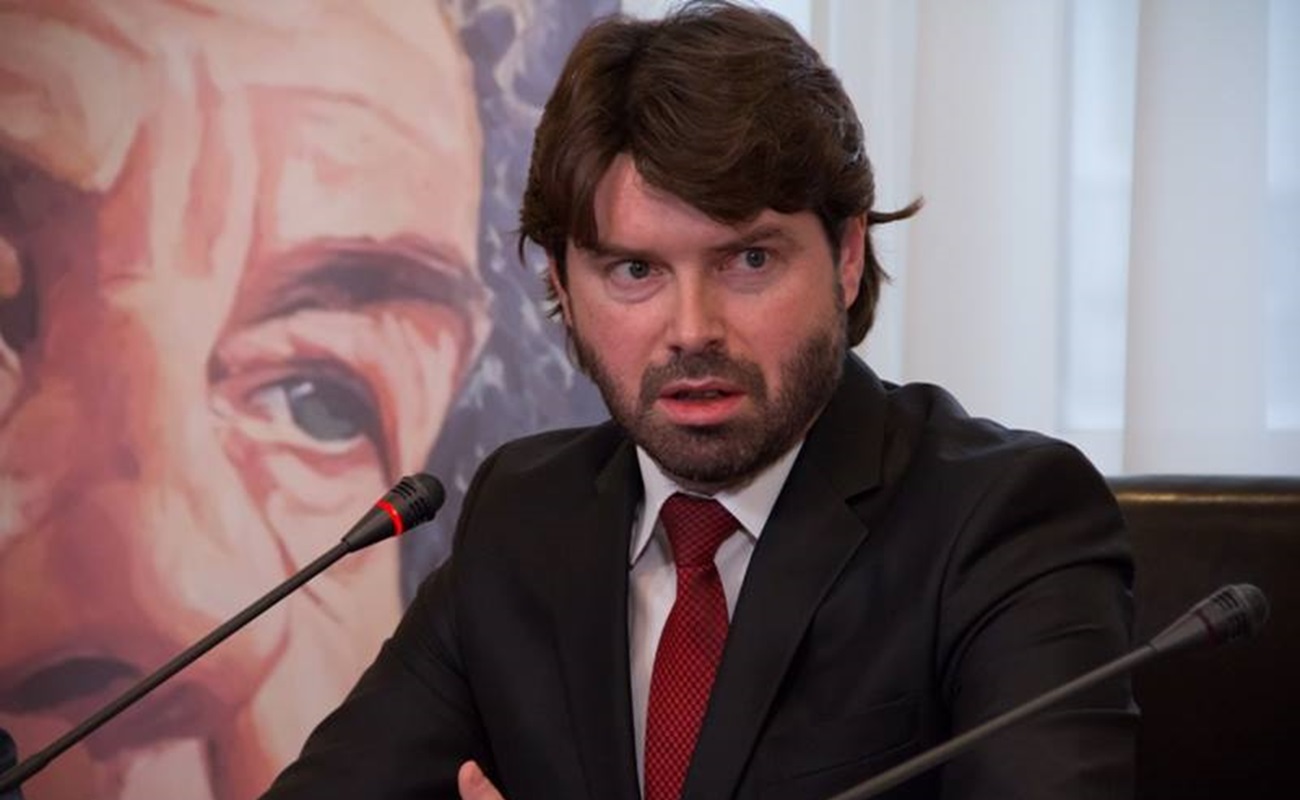
According to inkorr.com: Senior researcher at the Ukrainian Hydrometeorological Institute, Anastasiia Chyhareva, reported that meteorological winter in Ukraine now begins not in December, as it used to, but around January. This shift has already led to a reduction in the length of the cold season.
'The duration of the winter period is decreasing, which is when the average daily temperature drops below zero. Moreover, there is a shift in the seasons by one month. The meteorological winter starts not in December but closer to January and, accordingly, ends in March,'- the researcher explained.
According to her, these changes also increase the length of warm seasons when the temperature remains above 5-15 degrees. This allows for several crops to be planted during the warm season. Climatic conditions that were previously characteristic of southern Ukraine are gradually shifting north.
Warmest Year
In 2024, Ukraine recorded the highest temperature ever noted in the history of observations. This emphasizes the irreversible changes in the country's climate against the backdrop of global warming, the researcher noted. Temperature indicators typical for southern regions are now observed in the north. For example, the average winter temperature in Lviv now compares to the temperatures once seen in Crimea decades ago.
Scientific studies in Ukraine have revealed significant changes in meteorological seasons, indicating a gradual trend of warming in the country's climate. These changes affect the duration of the winter period and warm seasons, which, in turn, is reflected in agriculture and natural conditions in Ukraine.
The changes in Ukraine's climate being discussed raise concerns among scientists and agronomists. The impact of warming on agriculture can have both positive and negative consequences. On one hand, temperatures above average may allow for the cultivation of more crops, but on the other hand, agroclimatic conditions are becoming less predictable, creating risks for farmers.Read also
- New U.S. Tariffs Hit 60 Nations: Here Are the Rates for the EU and Russia
- Russia’s Oil and Gas Revenue Set to Surge by 60%—Here’s What’s Driving the Jump
- IMF Disburses $690 Million Second Tranche to Ukraine: Where the Funds Are Going
- Russia’s Budget Deficit Could Hit 7 Trillion Rubles—What Are the Default Risks?
- Expert Sets Critical Threshold: 60% of Russia's Oil Refining Capacity Must Be Destroyed
- Russia Faces Imminent Fuel Crisis: Why Refinery Recovery Is Nearly Impossible, Expert Warns