Experts named the ideal temperature in the house for combating mold.

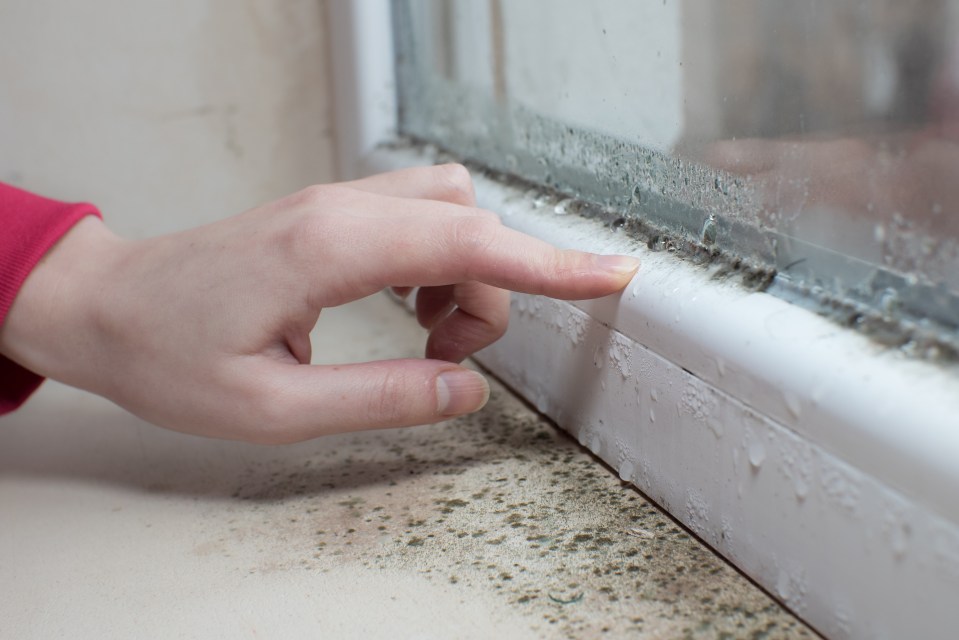
According to The Sun: With the approaching winter, many people are thinking about how to avoid condensation and mold in the house.
The choice of the right temperature can significantly affect whether your home remains free from condensation and mold.
GettyMold can develop without treatment, which can lead to health problems such as respiratory diseases, allergies, and asthma.
Ben Gallizzi, an energy expert at Uswitch.com, explains: “Keeping your home warm can help prevent mold from accumulating during the coldest months of the year.”
“The Energy Saving Association recommends that healthy individuals heat their homes to a temperature between 18 to 21 degrees Celsius.”
At the same time, do not allow the temperature to drop below 15-16 degrees, as this can lead to condensation.
Marco Betchelor, property services director at Hyde Housing Association, notes: “Condensation forms on the coldest surfaces in your home, typically near windows, in room corners, and on exterior walls.”
“The warmer the air in your home, the more moisture it can hold.”
Tips for controlling condensation
Moisture can trigger mold growth, so controlling condensation is key to a clean and healthy home.
Regular ventilation and opening windows can significantly help.
Additionally, you should keep bathroom and kitchen doors closed while in use to prevent the spread of moisture.
To reduce the amount of moisture in your home, Hyde experts recommend:
- Drying clothes outside or in a room (preferably in the bathroom) with an open window or running fan, and closed doors.
- Not placing wet clothes on the radiator, as this instantly increases humidity in the room.
- Keeping lids on pots while cooking and the extractor fan on.
- Always using the extractor fan or opening a window when showering or cooking, and wiping excess moisture from the floors, tiles, and surfaces.
- Three-room ventilation grilles should remain open.
- Pour cold water into the bath first, then hot.
Hyde also shared tips to improve airflow in areas prone to mold:
- Move furniture away from walls, including beds.
- Leave a gap between curtains and walls during the day.
- Keep air ducts and vents open and clean.
- Do not install seals on windows in kitchens and bathrooms, or in rooms prone to moisture.
- Do not overcrowd cabinets and shelves.
- If possible, open windows to improve ventilation and regularly air rooms.
- Do not fill your rooms with unnecessary items, furniture, and belongings.
If you need further assistance, you can use a household dehumidifier, which removes condensation from windows and absorbs moisture in your home.
How to remove mold
If mold has already appeared in your home, there are ways to deal with it.
You can mix one part bleach with four parts water and apply this solution to the affected area with a brush or cloth.
Gently clean until the mold is gone, then wipe the bleach away and dry the area.
Another option is to mix equal parts of white vinegar and water in a bottle and spray it on the affected area.
Vinegar is a natural mold killer that can help separate mold from fabric.
Numerous mold cleaning products are also available in supermarkets.
We previously tested several supermarket mold cleaning products – and one solution for 25 pence turned out to be better than Cillit Bang.
Expert Guide to Removing Mold and Painting Walls
Mold not only looks unattractive. If not treated properly, it can impact your health.
Ronseal shared its guide on removing, eliminating, and preventing mold attacks.
Mold should only be removed if it is caused by condensation and covers an area of less than one square meter. If the mold is caused by sewage or contaminated water, a professional should be called.
Before starting work, wear glasses, rubber gloves, and a mask to protect yourself from mold spores. Open windows for additional ventilation, but keep doors closed to prevent the spread of spores.
How to remove mold from walls:
- Fill a bucket with water and a mild detergent such as dish soap. Or use a specialized mold removal product for quicker cleaning.
- Dip a cloth in the water and wipe the mold off the wall. Do not use a brush, as this may release mold spores.
- After mold removal, use a dry cloth to remove any remaining moisture.
- Throw away the cloth and vacuum the room to ensure all spores are removed.
How to paint a surface with mold:
Never paint over a surface with mold without destroying it first. This will not solve the problem but only complicate it.
After treating the affected area, use a special paint that prevents mold growth.
Moisture stains can be painted over with suitable paint, such as 6-year antifungal paint from Ronseal, if the moisture has dried and the source has been eliminated. Some moisture sealants can be applied directly to the damp surface, so check the instructions before starting.
With all these tips and recommendations, you can effectively reduce the risk of mold formation in your home. It is important to remember proper heating, ventilation, and timely elimination of problems. Prevention is key to comfortable and healthy living in your home, especially in winter when humidity levels are typically higher.
If you face serious mold or moisture problems, do not hesitate to seek professional help. The best way to maintain the health and safety of your home is to act proactively.
Read also
- Kyiv’s Winter Readiness Falls Short Compared to Kharkiv, Energy Expert Warns
- In Wake of Strike, Wildberries Eliminates 'All for SMO' Tag, Leaving Sellers Uncompensated
- The Hryvnia's Covert Origins: Inside 'Operation Shield of Ukraine' Prior to Independence
- Fire Point, a Ukrainian Manufacturer, Produces 200 Flamingo Missiles Monthly and Aims for Ballistic Capabilities
- Russia Weighs Seizing $40 Billion in Private Pension Funds to Finance Military Campaign
- As Russian Stocks Crash by Double Digits, the Wealthy Pivot to Crypto and Overseas Real Estate