Moscow Admits Fuel Shortage for First Time Amid Drone Strikes: Long Lines at Gas Stations and Crisis Affecting 50 Million Russians.

Fuel Crisis in Russia
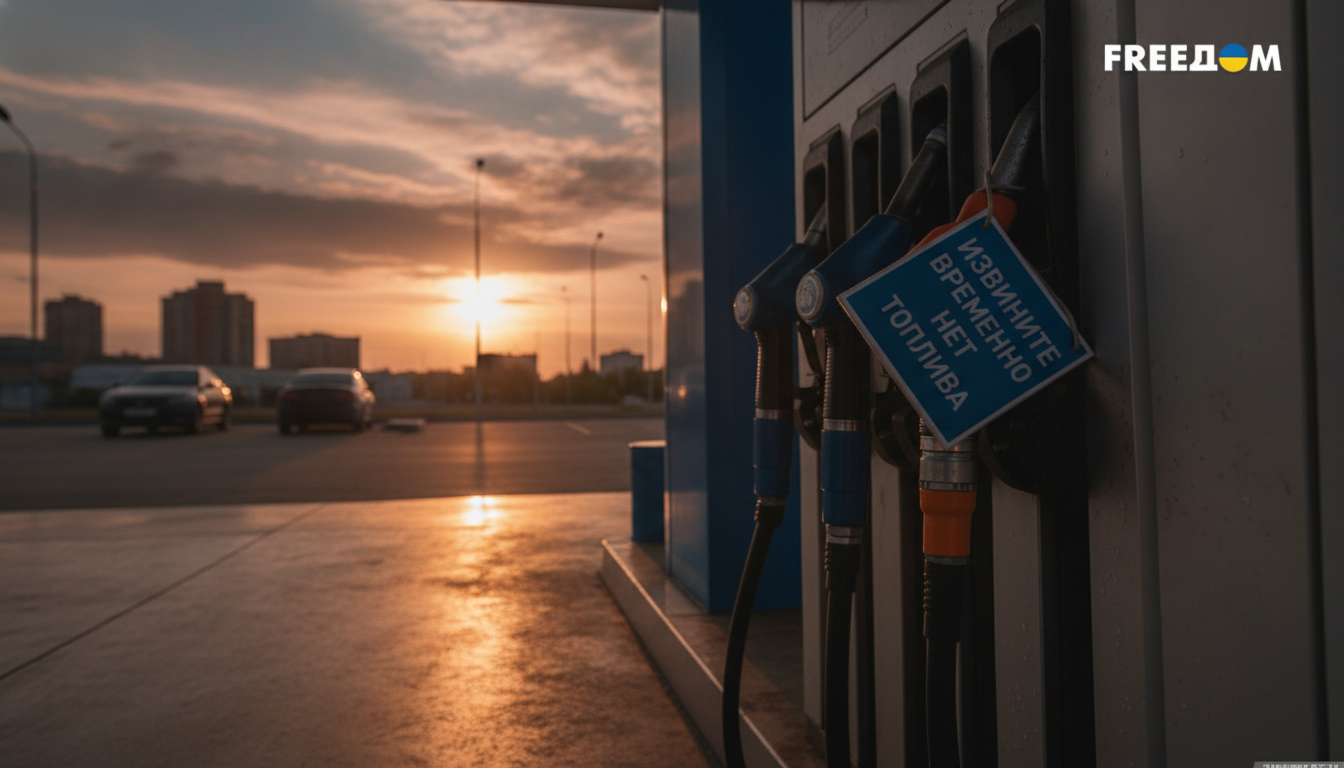
According to UATV: For the first time, Moscow has acknowledged a nationwide fuel shortage, attributing it to Ukrainian drone attacks. Gas stations across the country are operating erratically, with long queues forming as a result. This crisis is affecting over 50 million Russians, sparking widespread public concern.
Experts say the gasoline deficit stems directly from Ukrainian unmanned aerial vehicle strikes. By summer 2026, daily gasoline consumption in Russia had dropped to between 75,000 and 80,000 tons. Meanwhile, fuel prices have surged by 146%, negatively impacting the approval rating of President Vladimir Putin. According to a VTsIOM poll conducted from June 29 to July 5, citizens are feeling the effects of the fuel crisis firsthand.
Government and Public Reactions
Kazakhstan’s government has also responded by imposing restrictions on Russians exporting fuel from its territory. This move is certain to further destabilize fuel supply chains within Russia. As expert Maxim Gardus noted,
“First and foremost, fuel must be secured for security forces—including the army, police, and National Guard—as well as for government officials.”This highlights the severity of the situation and the government’s priorities amid the shortage.
Additionally, since the start of 2026, gasoline shipments from Belarus to Russia have increased twentyfold in an attempt to offset the deficit. However, in several Russian regions—including Kabardino-Balkaria, Ingushetia, Chechnya, Dagestan, Magadan Oblast, and Chukotka—the gasoline situation remains critical, with residents facing severe hardships.
The fuel market turmoil has sparked public outrage. As expert Ivan Us remarked,
“It’s obvious there’s a crisis. We can see the gasoline shortage and the lines at gas stations for ourselves.”Faced with instability and rising prices, Russians are being forced to adapt to new realities, creating additional challenges for both the authorities and society at large.
Russia’s admission of a fuel shortage underscores the gravity of the country’s economic situation, directly linked to ongoing military operations and their consequences. Rising gasoline prices and queues at pumps reflect deteriorating living conditions, which could in turn threaten socio-political stability. The reactions of neighboring countries like Kazakhstan also suggest that the crisis may have regional repercussions, presenting new hurdles for the Russian government.
Read also
- Fear of a New Mobilization Wave Drives Russians to Mass-Buy Property Abroad
- World Bank Disburses $3.35 Billion to Ukraine: Here’s How the Funds Will Be Used
- Kyiv Public Transport Fare to Rise to 30 Hryvnias Starting July 15: New Pricing and Pass Options
- World Bank Transfers $3.39 Billion to Ukraine: Here’s How the Funds Will Be Used
- Ukraine to Begin Licensed Production of Patriot Missiles – Key Details
- Fuel Shortage Hits Russia: Government Scrambles for Gasoline from Belarus and India