Ukrainian Hryvnia Gains Ground: Central Bank Sets Dollar Rate at 43.25.


Dollar to Hryvnia Exchange Rate for January 21, 2026
According to Novyny.live: The National Bank of Ukraine (NBU) adjusted the official exchange rate on January 21, 2026, setting the U.S. dollar at 43.2522 hryvnias. This represents a strengthening of the national currency. In commercial banks, the selling rate for the dollar is 43.52 hryvnias, while the buying rate is 43.05 hryvnias. These figures indicate a decline in the dollar's value at exchange points and suggest a gradual slowdown in the hryvnia's devaluation trend. Currency fluctuations are closely watched in Ukraine as the country navigates significant economic challenges.
This adjustment follows a period of volatility; on January 18, 2026, the dollar's rate increased, and a week prior, on January 14, the selling and buying rates were 43.50 and 43.34 hryvnias, respectively. On the cash market as of January 21, 2026, the dollar sells for 43.49 hryvnias and buys for 43.39 hryvnias. For the period spanning January 19 to 25, 2026, the NBU projects the official exchange rate will remain within a range of 43.10 to 43.50 hryvnias per dollar, while the cash market rate is expected to fluctuate between 43.40 and 43.65 hryvnias.
Economic Implications and Expert Analysis
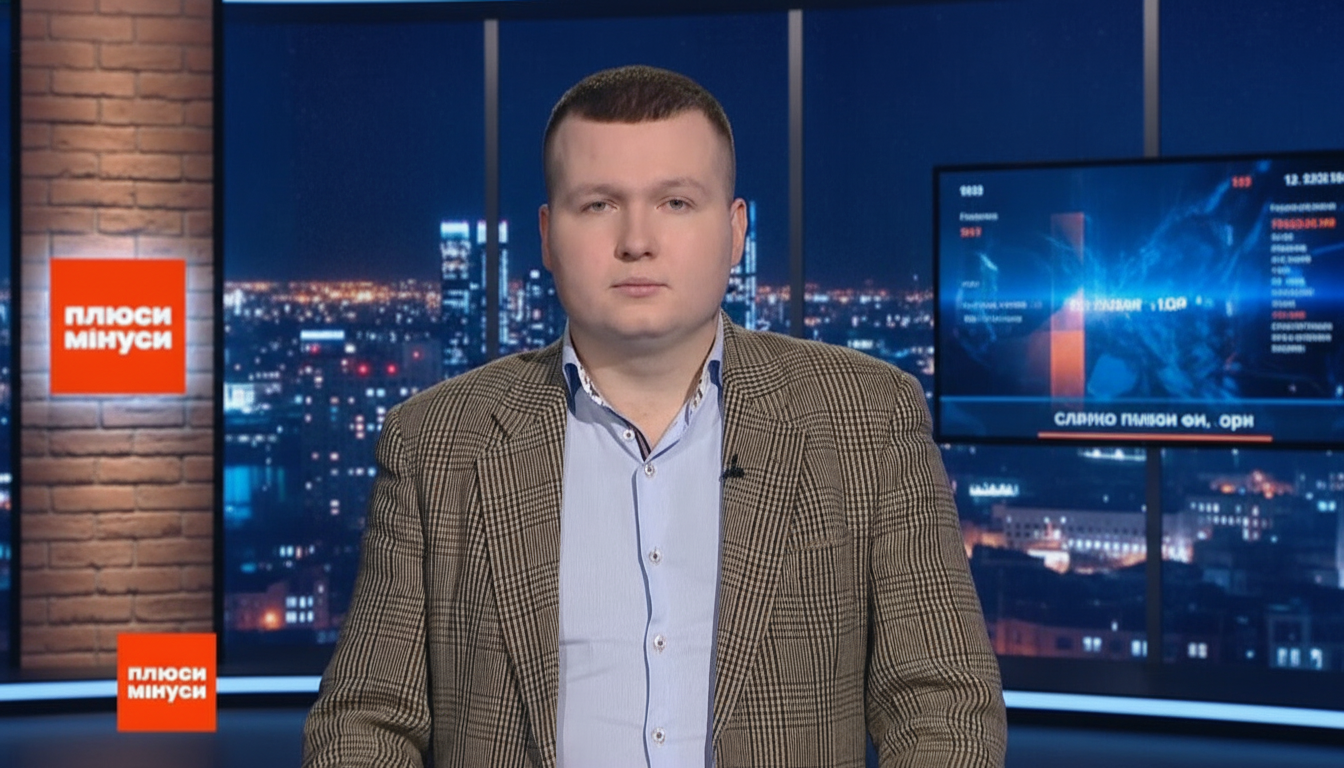
Economist Oleksiy Plotnikov noted that the National Bank has merely accelerated the hryvnia's devaluation to boost state budget revenues from Western financial aid. This expert commentary underscores the significance of the observed rate changes and their impact on the domestic economic situation.
Oleksiy Plotnikov: "The National Bank has merely accelerated the hryvnia's devaluation"
The hryvnia's recent weakening may reflect the NBU's attempt to adapt to ongoing economic pressures and ensure the stability of public finances. Such exchange rate movements directly affect the cost of imported goods and the broader economy, making it crucial to monitor the regulator's subsequent decisions and their consequences for citizens and businesses. The dynamics of the currency market can also serve as an indicator of the state's economic policy and its capacity to attract foreign investment during a difficult period.
Read also
- IMF Disburses $690 Million Second Tranche to Ukraine: Where the Funds Are Going
- Russia’s Budget Deficit Could Hit 7 Trillion Rubles—What Are the Default Risks?
- Expert Sets Critical Threshold: 60% of Russia's Oil Refining Capacity Must Be Destroyed
- Russia Faces Imminent Fuel Crisis: Why Refinery Recovery Is Nearly Impossible, Expert Warns
- Economist identifies Russia's point of no return: why it can never reclaim its place among global economic leaders
- Deadly Fuel Lines in Russia as Authorities Divert Gasoline to Moscow Amid Shortage