Nationalization in the Russian Federation is gaining momentum: the volume of confiscated property has increased by 4.5 times.

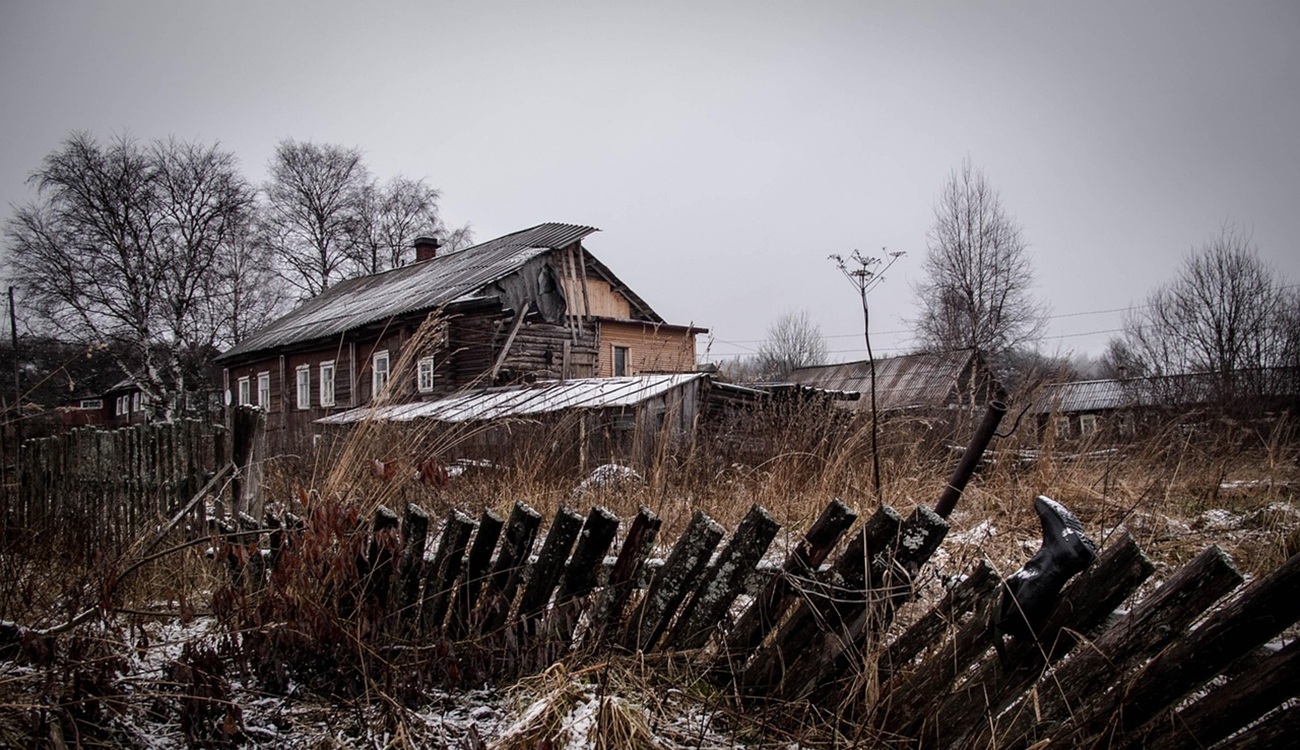
Economic challenges of Russia in 2025
According to UATV: In 2025, there is a noticeable increase in the nationalization of business in Russia, as the volume of forcibly confiscated property has risen by 4.5 times compared to 2024. This increase occurs amid growing economic problems caused by reduced federal investments, falling raw material prices, and decreasing budget revenues.
The economic situation in Russia in 2025 is complex. It is forecasted that revenues from the sale of energy resources will decrease by 43% in 2026 compared to 2019. This has a negative impact on the regions. For example, in the Irkutsk region, a budget deficit of 40 billion rubles is expected. The Astrakhan region predicts a decline in gross regional product by 2.1% by 2028, while the Kemerovo region is expected to experience a decline in gross regional product by 4.1% and a budget deficit of about 44 billion rubles.
Government priorities and the consequences of nationalization
In this context, it is worth noting that the primary goal of the Russian government—financing the costs of war—remains a priority. As economist Oleg Pendzin stated, this affects the overall state of the economy.
‘The profits of many companies have already dropped to zero, and some have incurred losses’ — Vladislav Zhukovsky
In particular, coal miners and metallurgists are currently in a difficult financial position. Thus, nationalization in Russia continues to gain momentum, indicating serious challenges for the country's economy amid decreasing state resources and escalating social issues.
The growth of nationalization in business in Russia may indicate attempts by the government to compensate for the economic difficulties arising from declining revenues. In conditions where regions face budget deficits and declines in gross regional product, further government actions may focus on controlling key sectors of the economy. This could have significant consequences for businesses that are already feeling financial pressure, as well as for the overall state of the country's economy.
Read also
- IMF Disburses $690 Million Second Tranche to Ukraine: Where the Funds Are Going
- Russia’s Budget Deficit Could Hit 7 Trillion Rubles—What Are the Default Risks?
- Expert Sets Critical Threshold: 60% of Russia's Oil Refining Capacity Must Be Destroyed
- Russia Faces Imminent Fuel Crisis: Why Refinery Recovery Is Nearly Impossible, Expert Warns
- Economist identifies Russia's point of no return: why it can never reclaim its place among global economic leaders
- Deadly Fuel Lines in Russia as Authorities Divert Gasoline to Moscow Amid Shortage