Ukraine's Naftogaz and Romania's OMV Petrom Strike Black Sea Gas Deal: Production Start Set for After War.

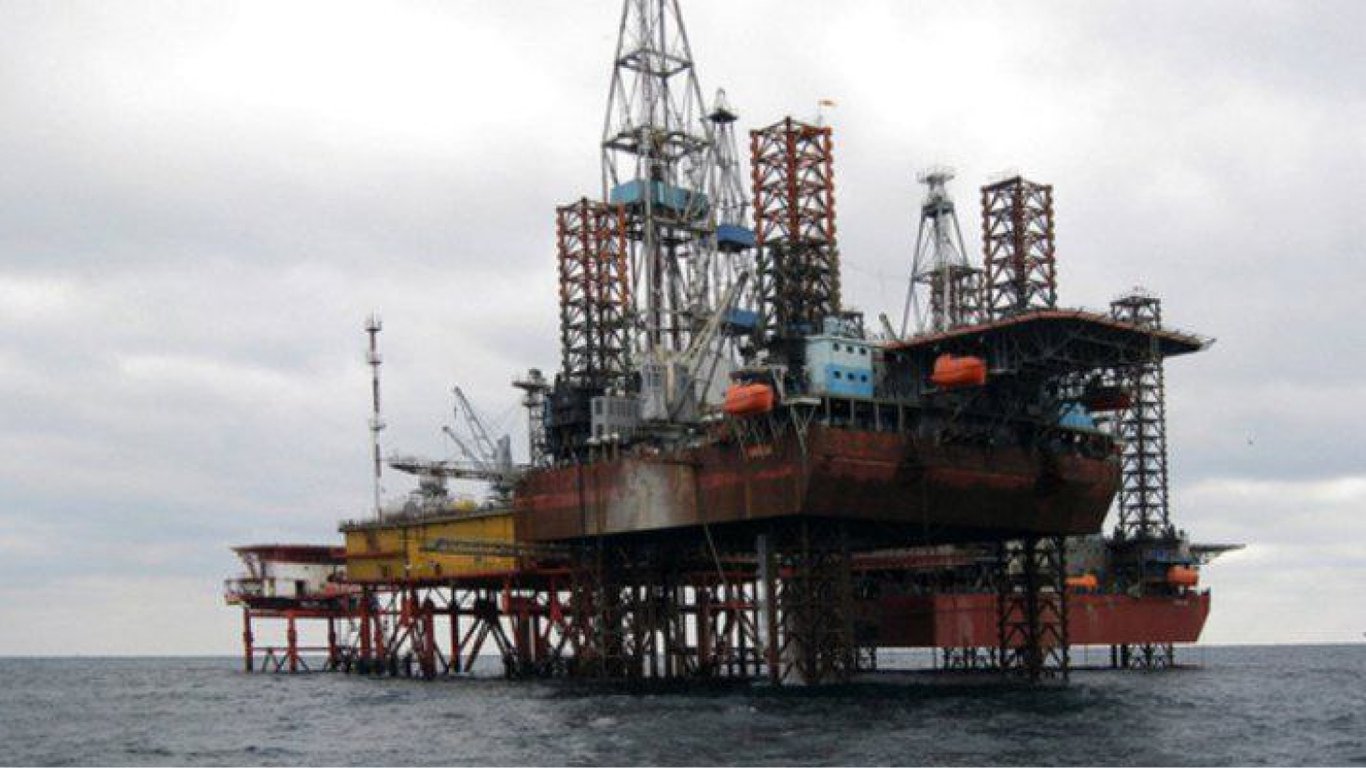
Negotiations Underway Between Naftogaz Ukraine and OMV Petrom
According to Novyny.live: Ukraine's state-owned energy giant Naftogaz is in active talks with Romanian firm OMV Petrom to jointly develop a gas field located in the Black Sea. Production is expected to commence only after the current war concludes. This collaboration holds significant weight for the energy security of both nations, as the Black Sea remains a critical hub for gas extraction in the region.
The field in question was originally discovered before the war began. By pooling resources and expertise, Naftogaz and OMV Petrom aim to unlock this energy reserve. Meanwhile, both Romania and Turkey are already advancing their own Black Sea projects, underscoring the area's strategic importance for national energy interests across the region.
Security Concerns in the Black Sea
Prior to the war, the Black Sea hosted the so-called Boiko platforms, which were used for gas extraction. However, following Russia's annexation of Crimea in 2014, these structures were repurposed as military positions, severely complicating offshore operations. Today, with the full-scale invasion ongoing, security in the Black Sea has become a paramount concern.
- Romania is actively developing a threat detection system for the Black Sea, with plans to have it operational by 2027.
- This initiative could serve as a crucial step toward ensuring stability and safety in the region.
- The partnership between Naftogaz Ukraine and OMV Petrom opens new avenues for expanding gas production in the Black Sea.
In essence, while the collaboration between Naftogaz and OMV Petrom creates fresh opportunities for Black Sea gas development, tangible progress will likely remain on hold until hostilities cease. This situation highlights the urgent need to advance energy cooperation amid the region's evolving challenges.
The partnership between Naftogaz Ukraine and OMV Petrom underscores the critical role of energy security in the face of shifting geopolitical pressures.
Amid the war and rising tensions in the Black Sea, joint projects could prove pivotal in preserving regional stability and meeting the energy demands of both countries. This also reflects Ukraine's broader strategy to diversify its energy sources and strengthen alliances with neighboring states.
Read also
- Russian Stock Market Crashes Nearly 9% — What This Means for the Economy
- Record 324 MW of Wind Power Built in Ukraine in 2025: Here’s Where the New Farms Are
- How Donetsk Once Served as the Heart of a British Colony in Ukraine: The Story of Yuzivka
- Drone Strikes on Refineries Trigger Fuel Crisis in Russia: One in Five Trucks Now Idle
- Russia’s Economy Shows Cracks as Stock Indexes and Business Sentiment Plunge to New Lows
- Russian Billionaire Andrey Melnichenko Shares His Vision for Russia’s Post-War Future