The largest green hydrogen plant - where it will be built.

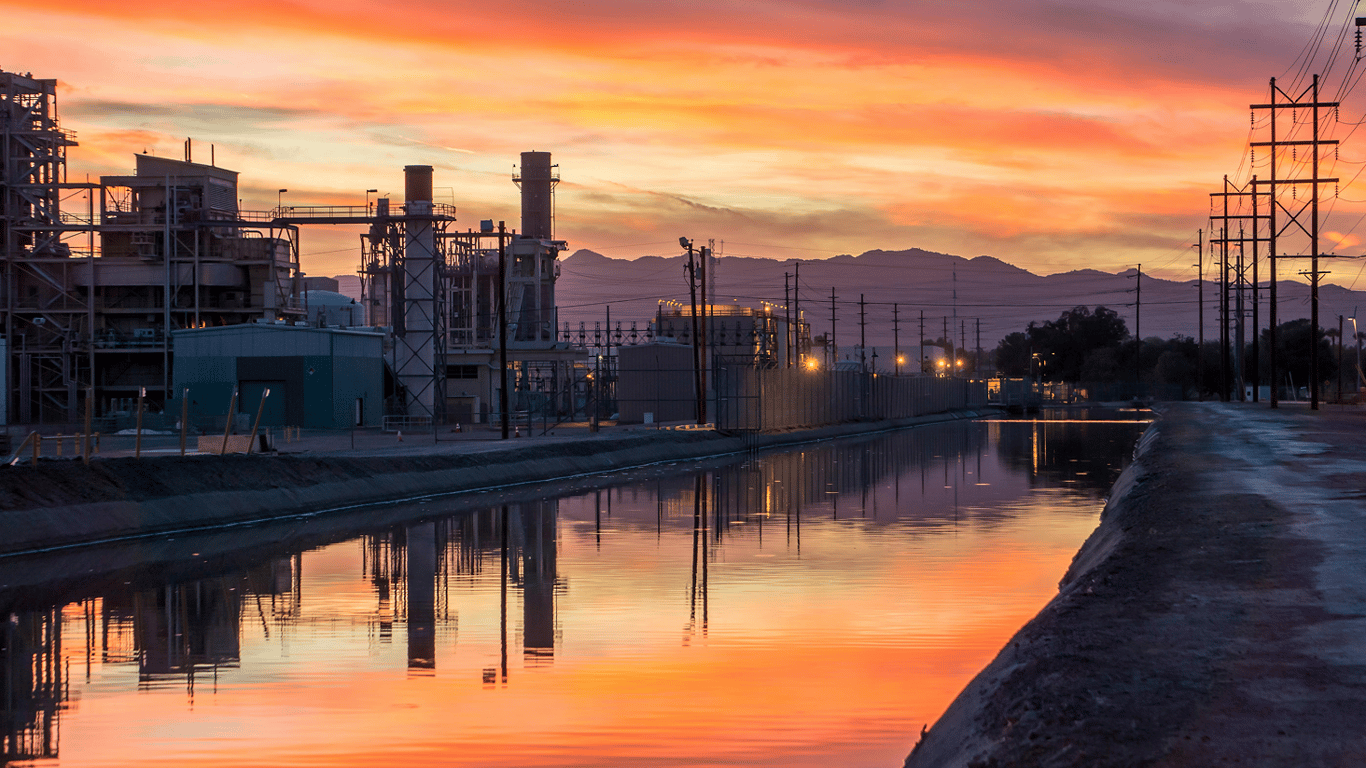
The government of Saudi Arabia has announced the construction of one of the largest green hydrogen production plants in the world. This plant will be located in the city of Yanbu and will have a capacity of 4 gigawatts, allowing for the production of up to 400,000 tons of hydrogen per year.
More about the hydrogen plant
This plant surpasses the metrics of another ambitious project of the Kingdom - the wall city of Neom, which demonstrates the transition from an oil economy to technology. The main elements of the plant will be water desalination systems and a terminal for ammonia export.
- Water desalination systems that will provide electrolysis;
- A special export terminal for ammonia export.
The plant will operate on energy provided by renewable sources - solar and wind power plants.
Why Saudi Arabia needs this project
This project is part of Saudi Arabia's strategy to become a leading player in the global hydrogen market. The country plans to invest up to 270 billion dollars in the energy sector and capture up to 10% of the global hydrogen export market by 2030.
It was previously reported that China has begun construction of the world's largest hydroelectric power station, which will have five cascade hydroelectric power stations.
The country is investing significant funds into the production of green hydrogen, aimed at overcoming dependence on an oil economy and developing renewable energy sources for the future. Large countries like Saudi Arabia and China are investing in green energy to ensure sustainable development and competitiveness in the international market.Read also
- Fuel Crisis Drives Russia to Boost Belarusian Gasoline Imports Twentyfold
- Ukraine’s Drones Cripple Russia’s Largest Oil Refinery, Sparking Fuel Shortages and New Export Bans
- Sweden Pledges €124 Million to Ukraine’s Energy Sector: Here’s Where the Money Will Go
- Kazakhstan Seals Its Border with 59 Checkpoints Amid Russia’s Fuel Crisis
- Poland Emerges as Ukraine’s Top Trade Partner After Zelenskyy and Nawrocki Meet Following Controversy
- Ukraine Launches Free AI-Powered Job Platform: What This Means for Job Seekers