The Best Psychological Movies: A Top List of Engaging Films for the Mind and Emotions.

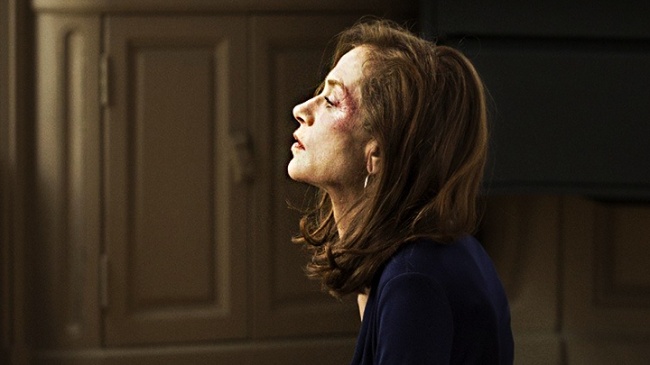
Films with psychologically complex plots are quite popular. They reveal both the essence of human nature and internal experiences. Therefore, the best psychological films can be highlighted in a separate top list.
In general, the top list of psychological films is replenished every year, which is not surprising, as this is an interesting topic for many viewers. The best psychological films can also be old and canonical, that is, a kind of classic.
The Best Psychological Movies
Psychological films occupy a special place in world cinema as they delve into the deepest corners of the human psyche, exploring motives for actions, the nature of fear, and the limits of mental endurance, offering viewers not just entertainment, but a true journey into their own subconscious. Such films not only entertain but also prompt reflection on one’s own life, raise difficult moral questions, and offer unexpected perspectives on familiar things, making them particularly valuable for those seeking depth and meaning in cinema.
In this genre, atmosphere plays an important role, built through masterful cinematography, soundtracks, acting performances, and directorial decisions that together create a sense of constant tension and uncertainty. Psychological dramas and thrillers allow a glimpse into the darkness of the human soul, showcasing the strength of spirit, the ability to overcome fear, and finding a way out of the most desperate situations, making them not only captivating but also educational.
Such film projects influence the audience's consciousness, remain memorable for a long time, and provoke self-analysis, as each viewer finds something personal, close to their own experience.
The psychological film genre is extremely diverse, encompassing both tense thrillers and deep dramas that explore the inner world of characters, their fears, desires, and moral dilemmas, making this genre one of the most interesting for analysis. Among the best examples, there are films that have become classics due to their ability to immerse the viewer in an atmosphere of uncertainty and tension, forcing them to constantly remain in a state of emotional strain. Each of these works is marked by a unique approach to storytelling, using non-linear narratives, playing with time and memory, compelling the viewer to rethink what they see and search for hidden meanings. The actors' performances give these films special value, creating complex multi-dimensional characters, demonstrating depth of emotion, and impacting the viewer's mood, leaving a lasting impression on their consciousness.
Directors in this genre often employ visual metaphors, symbolism, and sound effects to emphasize the psychological state of the characters and convey their internal experiences. These films pose complex questions to the viewer without providing clear answers. They provoke discussions and varied interpretations. They remain relevant for decades. They are exemplars of cinematic art. They influence the development of the genre. They inspire new generations of filmmakers. They demonstrate the power of cinema.
The Shining (1980)
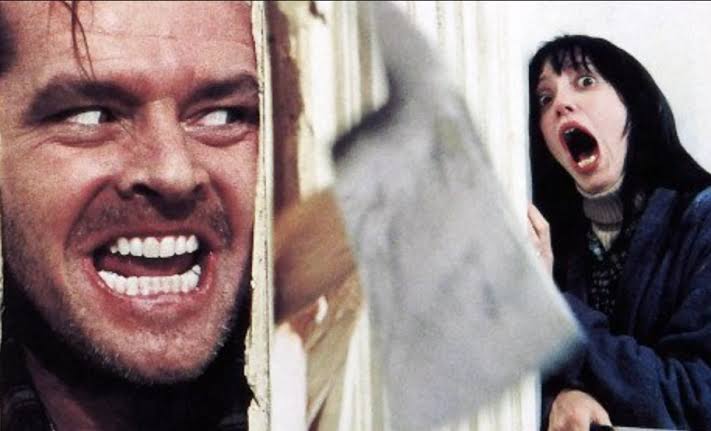
This film by Stanley Kubrick, based on Stephen King's novel, became one of the most influential psychological thrillers in cinema history, exploring themes of madness, isolation, and the influence of supernatural forces on the human psyche. The plot revolves around writer Jack Torrance, who takes a job as a winter caretaker at the Overlook Hotel, hoping to find peace and inspiration to work on a new novel. Together with his wife Wendy and son Danny, who possesses paranormal abilities and sees horrifying visions of the hotel's past, he finds himself in complete isolation, which gradually deteriorates his psyche. Constant pressure, lack of communication, strained family relationships, and mystical events occurring in the hotel lead Jack to lose control of himself.
Jack Nicholson created a cult image of madness, which became one of the most famous in world cinema. His performance is a benchmark of acting mastery. The atmosphere of the hotel evokes feelings of anxiety and danger. Kubrick skillfully employs visual symbols, such as doppelgängers, mazes, and blood flows. He explores the theme of personality destruction. He demonstrates how loneliness affects the psyche. The film received critical acclaim. It remains relevant for decades. It is a classic of world cinema.
Fight Club (1999)
This film by David Fincher, based on Chuck Palahniuk's novel, became a manifesto for a whole generation and a deep exploration of identity crisis, masculinity, and the consumer society of the late 20th century. The main character, an unnamed narrator, suffers from chronic insomnia and a sense of the absurdity of his existence. He works at a dull job. He seeks a way to fill the emptiness. His encounter with the charismatic Tyler Durden changes his life. They create an underground club where men solve their issues through physical fights.
This evolves into a massive anti-systemic organization. Brad Pitt created the image of a rebel who challenges society. Edward Norton conveys the confusion of his character. The film critiques consumer society. It offers a radical perspective on freedom. It has an unexpected resolution. It became a cult phenomenon. It remains a topic of discussion.
Shutter Island (2010)
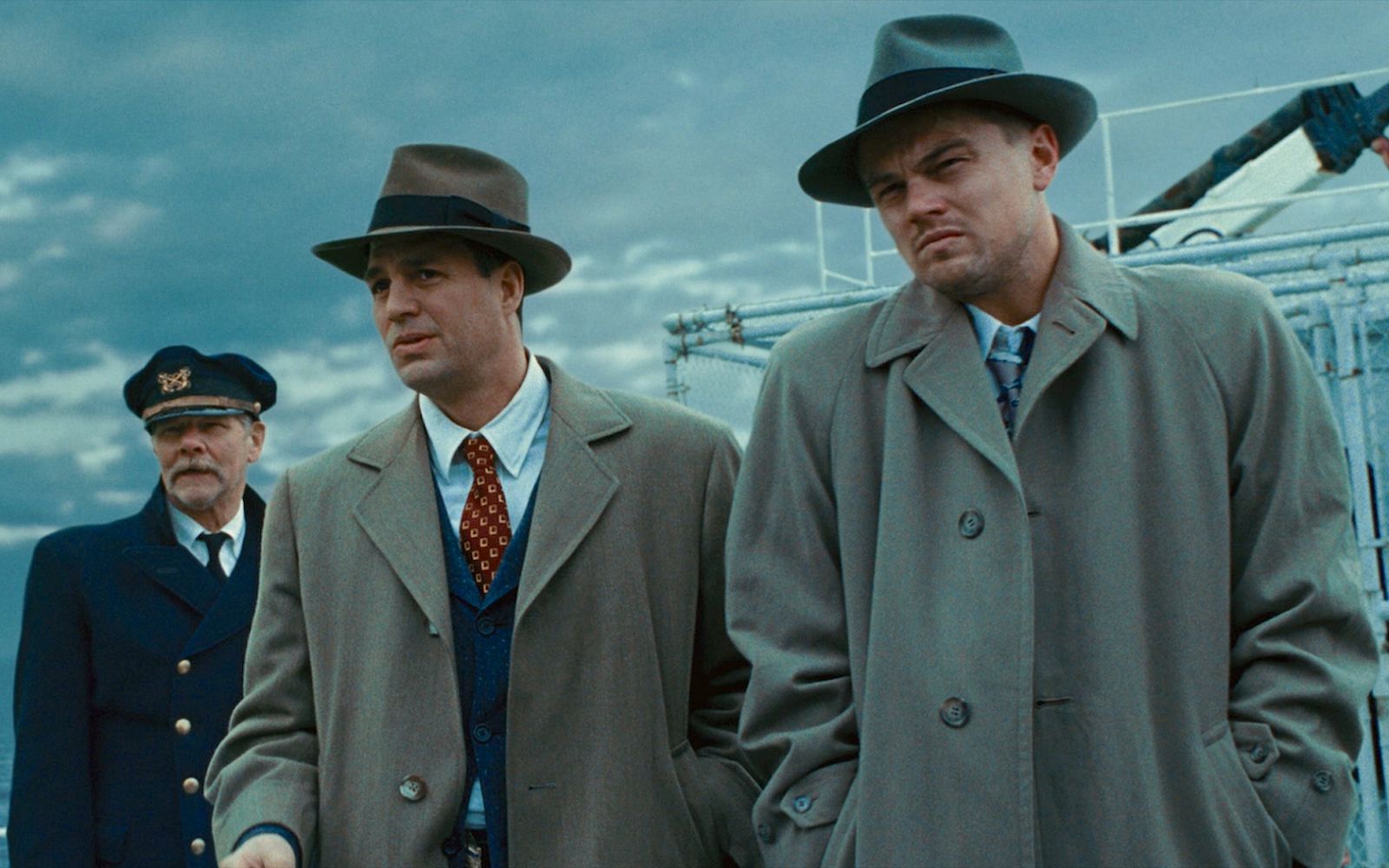
This psychological thriller by Martin Scorsese tells the story of detective Edward Daniels, who arrives on a remote island to investigate the disappearance of a patient from a psychiatric hospital. During the investigation, he encounters secrets that call into question his own reality. Leonardo DiCaprio creates a deep character. The film keeps the tension until the end. Scorsese masterfully conveys an atmosphere of paranoia. The plot has several levels of interpretation. The film explores questions of guilt. It affects the viewer's perception.
The Silence of the Lambs (1991)
This film by Jonathan Demme became one of the best psychological thrillers, winning five Oscars. The plot tells about young FBI agent Clarice Starling, who turns to imprisoned genius psychiatrist-cannibal Hannibal Lecter for help in finding a serial killer. Jodie Foster created the image of a strong, vulnerable agent. Anthony Hopkins created the cult image of Lecter. The dialogues between them are exemplary. The film explores the nature of evil. It has incredible psychological tension.
Memento (2000)
This film by Christopher Nolan became a revolutionary phenomenon in cinema due to its bold experiment with narrative form, where events are presented in reverse chronological order, allowing the viewer to experience the protagonist's confusion and disorientation. The plot unfolds around Leonard Shelby, who, due to a traumatic brain injury, has lost the ability to form new memories, transforming his life into a constant struggle with his own memory. The main character tries to find his wife's murderer, using a system of notes, Polaroid pictures, and tattoos on his body as his only guides in a world where every new meeting or conversation starts from scratch. Actor Guy Pearce created one of the most complex characters of his career, conveying the vulnerability, obsession, and inner struggle of a person who cannot even trust themselves.

The film offers the viewer not just passive observation, but active participation in unraveling the plot, as every episode becomes part of a puzzle that needs to be assembled. The contrast between black-and-white scenes moving forward in time and colored scenes moving backward creates a tense dynamic that keeps the viewer in constant suspense. Such an unusual structure demands maximum concentration from the viewer and compels them to return to the film multiple times, as with each new viewing, previously unnoticed details and nuances emerge. This cinematic work has become a classic of the intellectual genre, influencing a whole generation of filmmakers who adopted its storytelling techniques.
The film remains one of the strongest works in Nolan's filmography. It proves that cinema can be a complex, multilayered art form. Watching this film becomes a true challenge for the mind. It offers a unique, unforgettable experience. This work is essential for all fans of psychological cinema. It proves that form can be as important as content. This is a film that cannot be forgotten. It lingers in the memory for a long time.
Black Swan (2010)
This psychological thriller by Darren Aronofsky became one of the brightest explorations of creative madness, obsession with perfection, and the destructive influence of art on the human psyche. The plot revolves around ballerina Nina, played by Natalie Portman, who earns the lead role in the production of Swan Lake and gradually loses touch with reality. Constant pressure from a demanding choreographer, rivalry with another dancer, and the desire to achieve the ideal lead to the character beginning to see terrifying hallucinations. Her psyche fractures, and she increasingly identifies with the Black Swan, symbolizing the dark, passionate side of her personality. Natalie Portman created an incredibly deep and emotionally tense image, for which she received an Oscar. She not only acted but also performed most of the dance scenes, adding realism to the film.
Aronofsky masterfully uses visual effects, mirrors, and shadows to portray the inner world of the heroine, who is balancing on the edge of madness. The musical score, based on classical works by Tchaikovsky, creates a sense of constant anxiety. The film explores the sacrifices one is willing to make for the sake of creativity. It shows that the price of perfection can be too high. The film raises questions about the nature of talent and its dark side. It immerses the viewer in a world where reality intertwines with nightmare. Each scene is filled with symbolism. This film is a hallmark of the psychological thriller. It remains relevant for decades. It impresses with its emotional power. It offers viewers an unforgettable experience. It shows how thin the line is between genius and madness.
Joker (2019)

This film by Todd Phillips became not just another story about a supervillain, but a profound social drama exploring the reasons for the birth of evil in modern society. The main character, Arthur Fleck, brilliantly played by Joaquin Phoenix, is a poor comedian suffering from a mental disorder that causes uncontrollable laughter at inappropriate moments. Society constantly rejects Arthur, mocks him, and leaves him without help and support. He dreams of becoming a stand-up comedian but continually faces ridicule. A series of tragic events, including job loss and lack of social support, pushes him down a path of violence.
Arthur gradually loses all moral compass. He transforms into the Joker— a symbol of chaos and revenge. Joaquin Phoenix creates an image that evokes both horror and sympathy. His physical transformation is striking. Every gesture and look is filled with pain. The film received numerous awards. It became a subject of hot discussions. It shows that evil is born from indifference. It remains relevant today. It affects the viewer's perception. It is an important social statement.
Se7en (1995)
This film by David Fincher became a classic of the psychological thriller genre, exploring themes of sin, punishment, and the moral degradation of society. The plot revolves around two detectives investigating a series of murders based on the seven deadly sins. Brad Pitt played the lead role. Morgan Freeman created the image of an experienced detective. The killer uses torture methods. He punishes people for their sins. He turns the murders into a complex ritual. The film has a grim atmosphere. It employs a dark visual palette. It explores the nature of evil. It prompts reflection on morality. It has a shocking resolution. It remains one of the best thrillers. It has influenced many subsequent films.
Mulholland Drive (2001)
This surreal film by David Lynch became one of the most mysterious works in world cinema. The plot unfolds around an actress who arrives in Hollywood. She meets a mysterious stranger. Together they try to unravel the mystery. The film is filled with surreal images. It explores the nature of dreams. It showcases the dark side of Hollywood. Naomi Watts created a deep character. The film won an award at Cannes. It became a cult classic. It demands multiple viewings. It leaves room for interpretation.
Parasite (2019)
This film by Bong Joon-ho became the first South Korean film to win the Palme d'Or at Cannes and the Oscar for Best Picture, marking an unprecedented achievement for Asian cinema and signifying the recognition of Korean film on the global stage. The plot revolves around the poor Kim family, who live in a semi-basement and barely make ends meet until a random opportunity opens a path for them to the wealthy Park family, who live in a luxurious house with a beautiful garden. Gradually, the Kim family members, pretending to be qualified workers, find jobs with the rich, displacing previous employees and creating the illusion of ideal service that meets all their employers' needs. The situation reaches a critical point when it is revealed that another person is hiding in the basement of the Park family’s house, who is in even worse conditions than the Kim family, and this unexpected twist sets off a chain of dramatic events that ruins all the main characters' plans.

The director masterfully combines elements of black comedy, social drama, and psychological thriller, creating a tense atmosphere that keeps the viewer in constant emotional tension until the very end. The deep exploration of class inequality and social tension makes the film relevant for any country. Through the story of two families, it shows how desperation and poverty push people to deceit. It also demonstrates that social inequality breeds hatred and violence. The film received rave reviews from global critics. It became one of the highest-grossing Korean films in history. This work is a sharp social commentary. The film remains relevant for any society. The director showcased his mastery in creating multilayered cinema. This film changes perceptions of genre possibilities. Watching it leaves a deep emotional impression. The film reminds us of the importance of humanity and compassion. The world is presented not in black and white tones. The film lingers in the memory for a long time. It is a cinema that makes you reflect on society. It proves the power of Korean cinema. It is exemplifying modern auteur cinema.
These films indeed play with the viewers' minds. After all, this is intriguing and ambiguous, and until the very end, it is always unknown how everything will come to a conclusion.
Read also
- The Best Heist Movies: A Top List of Captivating Crime Films
- The Best Movies About Gambling: Top Captivating Films About Risk and Betting
- Motivational Movies: Top Best Films for Inspiration and Self-Development
- The Best French Movies: Top Iconic Films from France
- Movies about Betrayal: The Best Films about Passion, Deception, and Relationships
- Movies Based on True Events: Top Best Films Based on Reality