Russia Wins the Drone War Against NATO: 144 Airspace Violations in Six Months.

Russian Drone Activity Under the Microscope
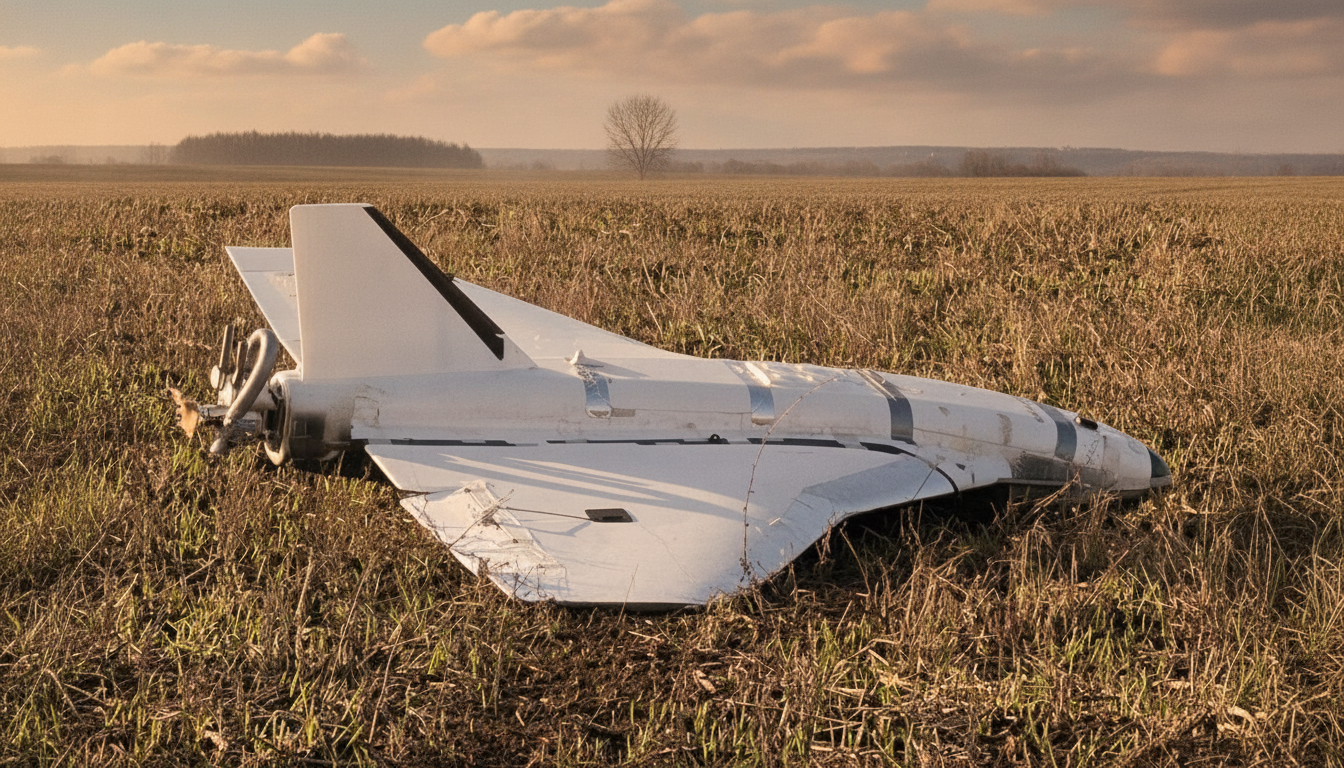
According to Espreso.tv: A new study from the International Institute for Strategic Studies (IISS) reveals that Russian reconnaissance drones have been penetrating European airspace with impunity since late 2024, exposing a critical blind spot in NATO’s air defense systems. The IISS analyzed 144 separate incidents, all confirming a sustained and aggressive pattern of drone intrusions across the region. This is not just a series of isolated events—it highlights a strategic failure in the Alliance’s ability to protect its own skies.
An Escalating Russian Threat
The drone incursions began in the final months of 2024. By July 2025, the RAF Lakenheath base in the United Kingdom was preparing to host American nuclear weapons, underscoring the heightened tensions. In December 2025, five drones were spotted near the Île-Longue naval base, launched from vessels with their transponders switched off—a clear sign of deliberate hostile reconnaissance. The threat from Russia is growing, and its methods are becoming more sophisticated.
Further evidence of regional strain came in September 2025, when French commandos seized the tanker Boracay off the coast of Denmark. On the night of September 10, 2025, roughly 20 Russian unmanned aerial vehicles breached Polish airspace. Meanwhile, in Copenhagen and Oslo, daily operations were suspended due to unidentified drones, sparking public concern and highlighting the vulnerability of civilian infrastructure. In May 2025, a Geran-2 drone crashed in Galați, Romania, injuring two people. These incidents collectively point to serious gaps in NATO’s defensive posture.
“This is a series of tactical wins for the Kremlin and a strategic failure for allied defense.”
Charlie Edwards
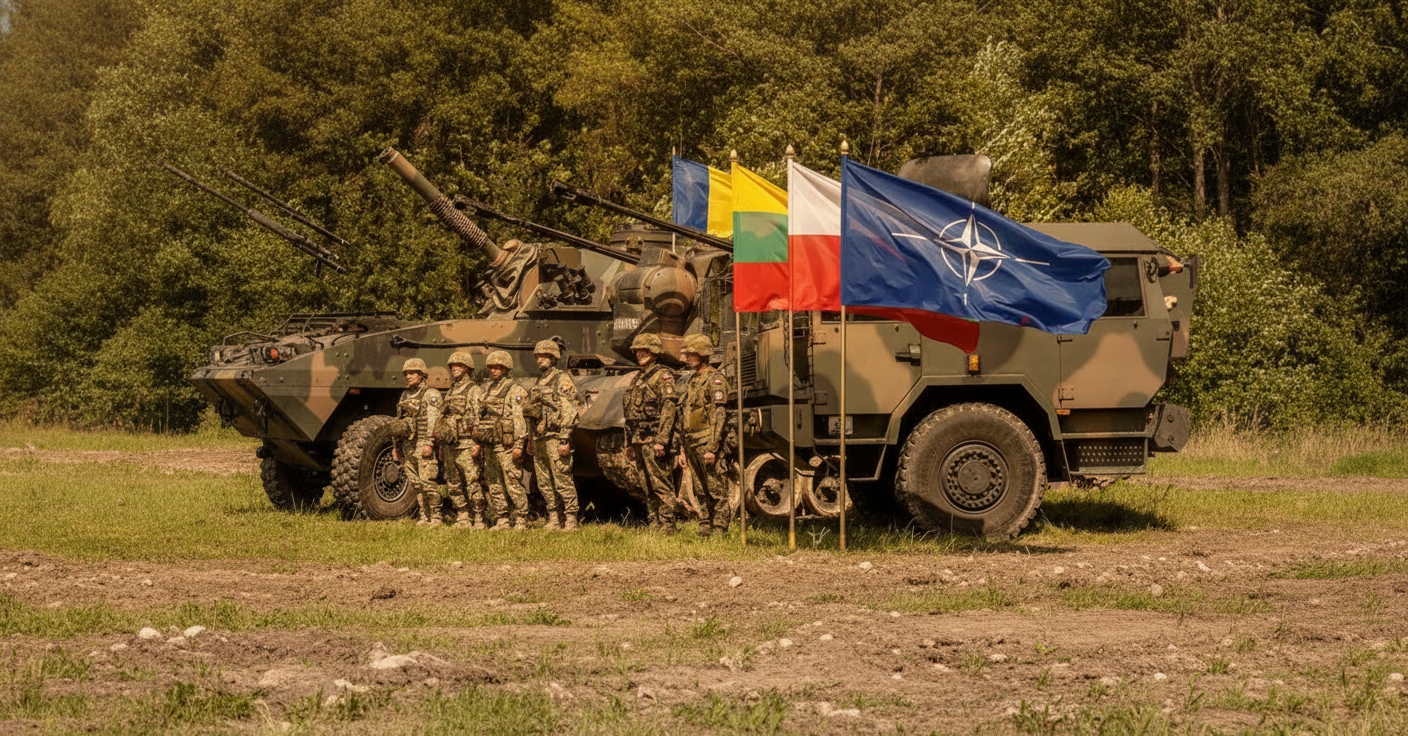
The documented evidence of Russian drone activity underscores the urgent need for NATO to rethink its defense strategies. Traditional air defense systems are proving inadequate against this new wave of unmanned threats. The increasing frequency of drone operations risks pushing the region into a new phase of escalation, demanding a unified and immediate response to strengthen the security and resilience of European nations.
Read also
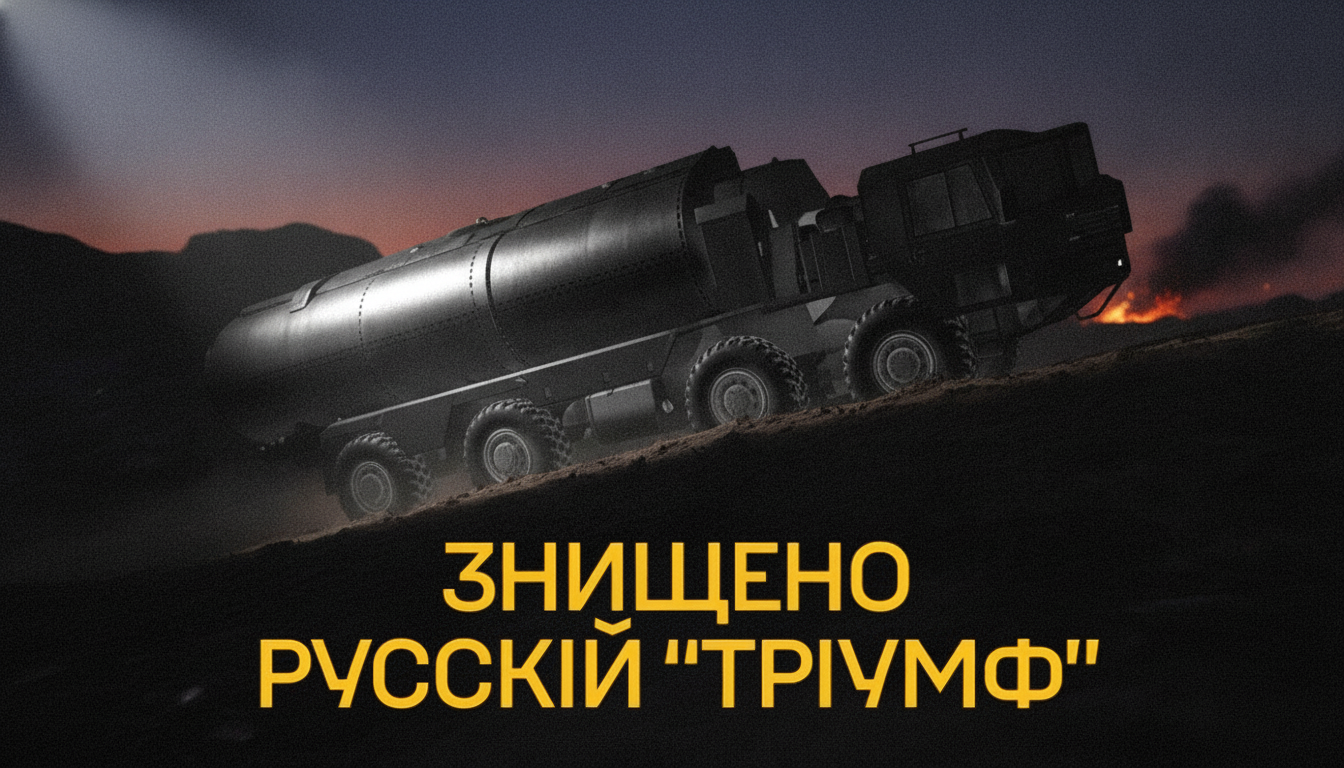
- Russian Losses Hit $650 Million After Ukraine's GUR Destroys S-400 Triumph in Crimea
- Russian Offensive on Kupiansk and Kharkiv Region Stalls as Vovchansk Remains Uncaptured
- Weekend Toll Hits 14 as Russian Forces Unleash Coordinated Strikes on Ukrainian Cities
- Overnight on July 27: Russia Unleashed 147 Drones on Ukraine, 123 Neutralized by Air Defense
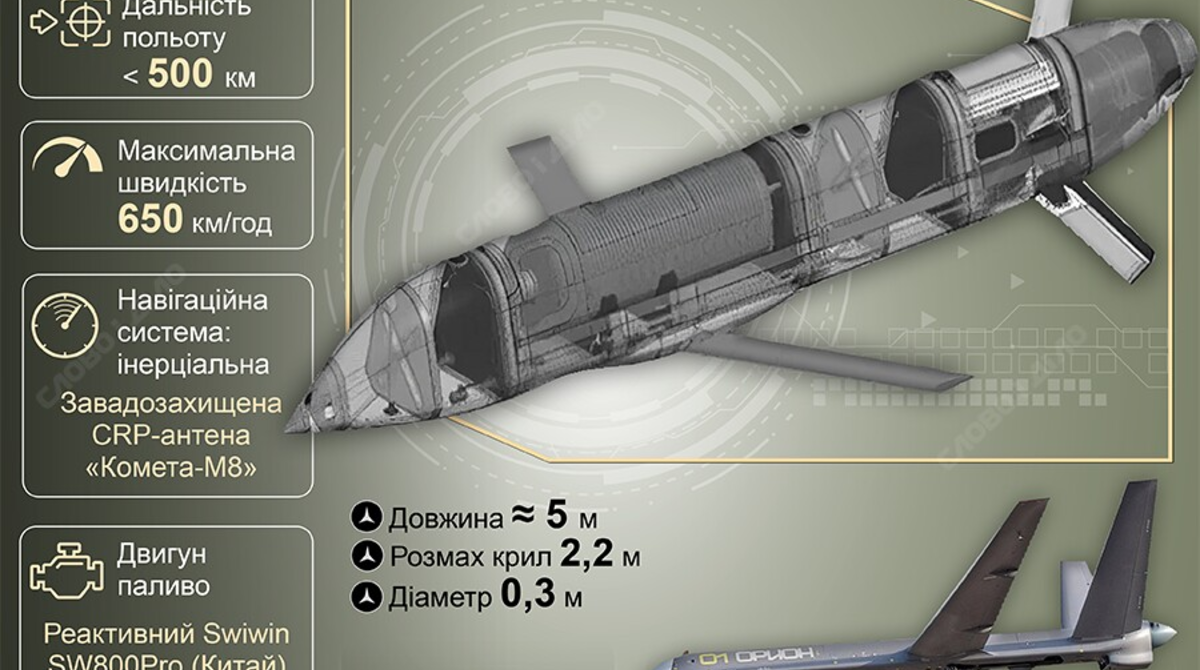
- Russia’s New ‘Banderol’ Cruise Missile Strikes Kharkiv and Odesa – Key Details
- Heavy Fighting in Donetsk Region: 19 Russian Assaults Recorded in a Single Day