Navskyi Easter 2026: When to Honor the Dead and What Is Forbidden.

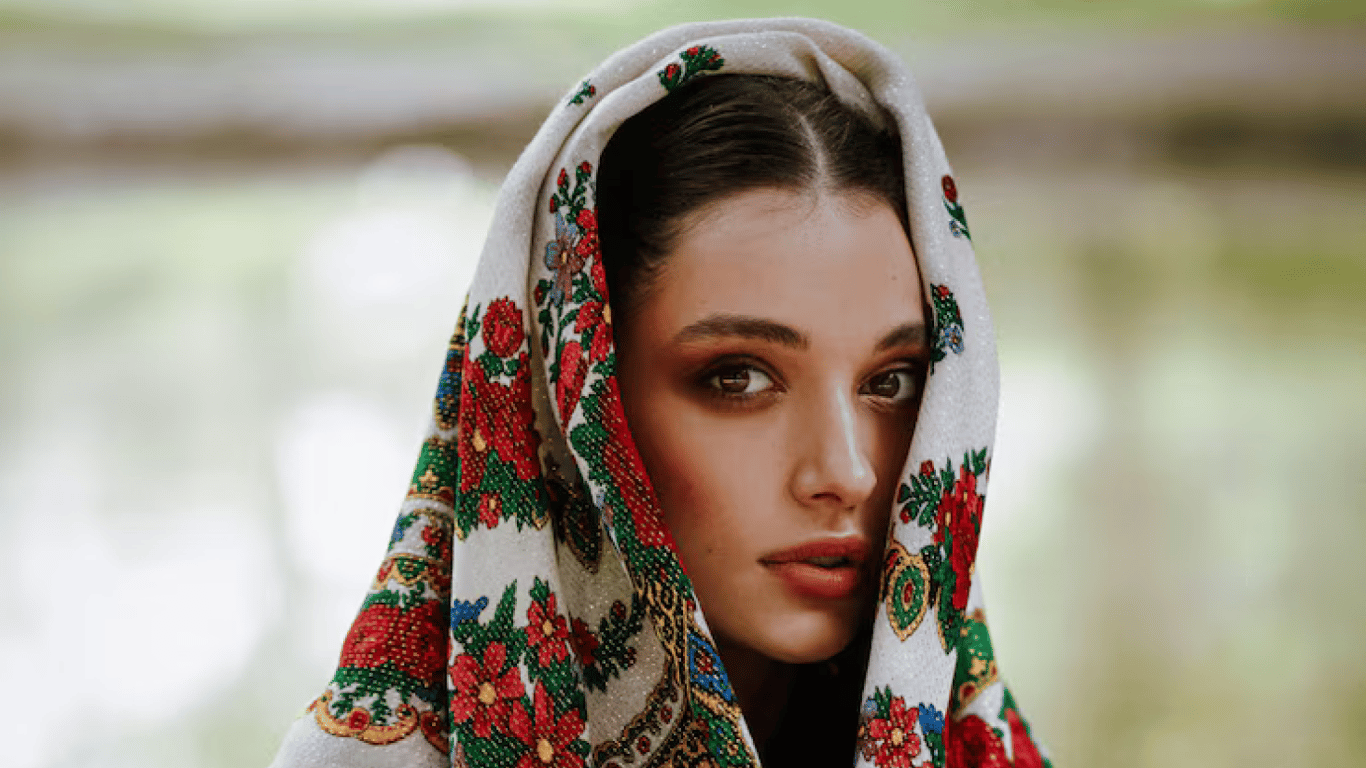
Navskyi Easter
According to Novyny.live: Navskyi Easter is a traditional Ukrainian holiday dedicated to remembering deceased relatives. Its date shifts depending on the region and local customs. The celebration has deep roots, originating in pre-Christian times. This observance was especially widespread in the Kyiv region, Podillia, and the Left Bank of Ukraine, where customs of honoring the dead have survived to the present day.
Also known as the Easter of the Dead, Navskyi Easter in 2026 will be observed on April 9, which is Maundy Thursday before Easter Sunday, in central and northern parts of Ukraine. In other areas, the holiday falls on the first Thursday after Easter, which will be April 16. Additionally, some communities celebrate Navskyi Easter on the 25th day after Easter.
Celebration Traditions
The central tradition of this holiday involves honoring deceased family members by preparing and bringing food to cemeteries. On this day, it is essential to follow certain customs, including:
- a ban on heavy labor;
- no working in the garden;
- no cleaning the house;
- no laundry, sewing, or whitewashing the home;
- no engaging in other strenuous activities.
These practices underscore respect for ancestors and give the holiday its unique significance.
In essence, Navskyi Easter is a vital part of Ukrainian culture, bringing families together to honor those who have passed away. The holiday serves as a reminder of the connection between generations and the importance of family traditions in the lives of modern Ukrainians.
Navskyi Easter reflects the deep cultural and spiritual values of the Ukrainian people. In today's world, where traditions risk being forgotten, such holidays grow in importance as they help preserve identity and family bonds. This day becomes not only a moment of remembrance but also an opportunity for families to gather, highlighting its social role in Ukrainian society. For an English-speaking audience, this holiday offers insight into how Ukrainian communities maintain ancestral ties through ritual and communal respect.
Read also
- What Russian Propaganda in ORDLO Schools Hides from Parents
- Ukraine to Establish National Pantheon of War Heroes and Victims: Key Provisions of the New Law
- Ukraine Automatically Extends Mobilization Deferrals: Two Key Requirements Explained
- Feast of Saints Peter and Paul 2026: Top Greetings in Poetry and Prose
- Over 2,500 UAH Extra Pension Payments: Who Qualifies in Ukraine Starting July 2026
- Free Public Transport for Retirees: What Services Are Available and Where