In Berlin, 20,000 people are being evacuated due to World War II bomb finds.


Explosive remnants from World War II in Berlin
According to The Sun: In Berlin, around 20,000 people have been ordered to evacuate from several areas after two unexploded bombs from World War II were discovered.
The police blocked the busy tourist zone of Mitte on Thursday evening when divers found a large bomb at a depth of four meters in the Spree River.
@polizeiberlin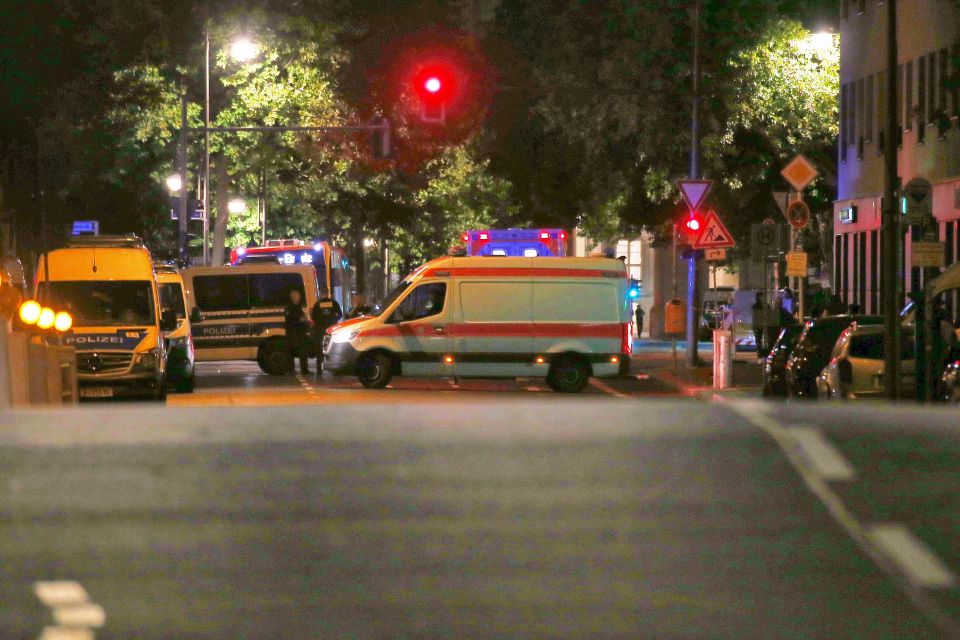 Shutterstock Editorial
The authorities warned residents of Fischerinsel Island of a “deadly hazard,” and 7,500 people were ordered to leave their homes immediately.
Also, a day before that, another 100-kilogram bomb was found in Spandau, west of Berlin.
This bomb is scheduled to be defused today, which will require another 12,000 people to leave their homes.
On Friday morning, Berlin police confirmed that the evacuation of the exclusion zone in Mitte, covering 500 meters, had been completed.
“All individuals are asked to leave the restricted area immediately,” they warned in a late post on X, adding that safety measures will continue throughout the night.
As a result of the blockade, government offices, embassies, and the Berlin city hall were closed, and river transport on the Spree was suspended.
Subways and streets were closed, leading to long lines for emergency shelters at the city council center in Mitte and near a school.
“We just want to sleep, it’s unbearable,” said a father standing in line with his child.
A city council worker tried to reassure residents, promising that “they will be home by breakfast.”
The police reported that forensic experts will decide “if and when the bombs will be defused,” according to The Telegraph.
The legacy of wartime
These events highlight the tragic legacy of war in Berlin. The city experienced 363 Allied airstrikes, and unexploded bombs are still regularly discovered.
In 2024, 1,600 bombs were defused in North Rhine-Westphalia.
This June, 20,000 people were evacuated in Cologne after three bombs from the war were found.
 Shutterstock Editorial
These explosive devices are becoming relevant again, as their discovery has become a common occurrence affecting transportation services at both local and international levels.
Read also
- July 3rd Drone and Missile Onslaught on Ukraine: Air Defense Downs 82 Drones, Hits Recorded at 16 Sites
- Strike on Dubno Communications Hub: Russia Faces Disruption to Satellite Internet
- Ukrainian Forces Eliminate 1,250 Russian Troops in a Single Day: New Toll on Moscow’s Equipment and Personnel
- 273 Clashes in One Day: Ukrainian Forces Hold the Line Against Massive Assaults Across the Front
- Russia Deploys New Jet-Powered Drones Capable of Reaching 500 km/h
- EU Ambassador Details Aftermath of Devastating July 2 Strike on Kyiv