Russian Offensive Slows to 50 Meters Per Day as Moscow Loses Ground.

Frontline Analysis in Ukraine
According to UATV: The latest assessment of combat operations in Ukraine reveals a dramatic slowdown in Russia’s offensive, accompanied by mounting troop losses and shrinking territorial gains. Data indicates that the Russian advance is now the slowest seen in over a century. Over the past twelve months, the pace of Russia’s push into Ukraine has dropped by a factor of 16, highlighting severe operational challenges for the occupying forces.
Advance Rates of Russian Forces
Specifically, the average daily progress of Russian troops in the Donetsk region varies significantly:
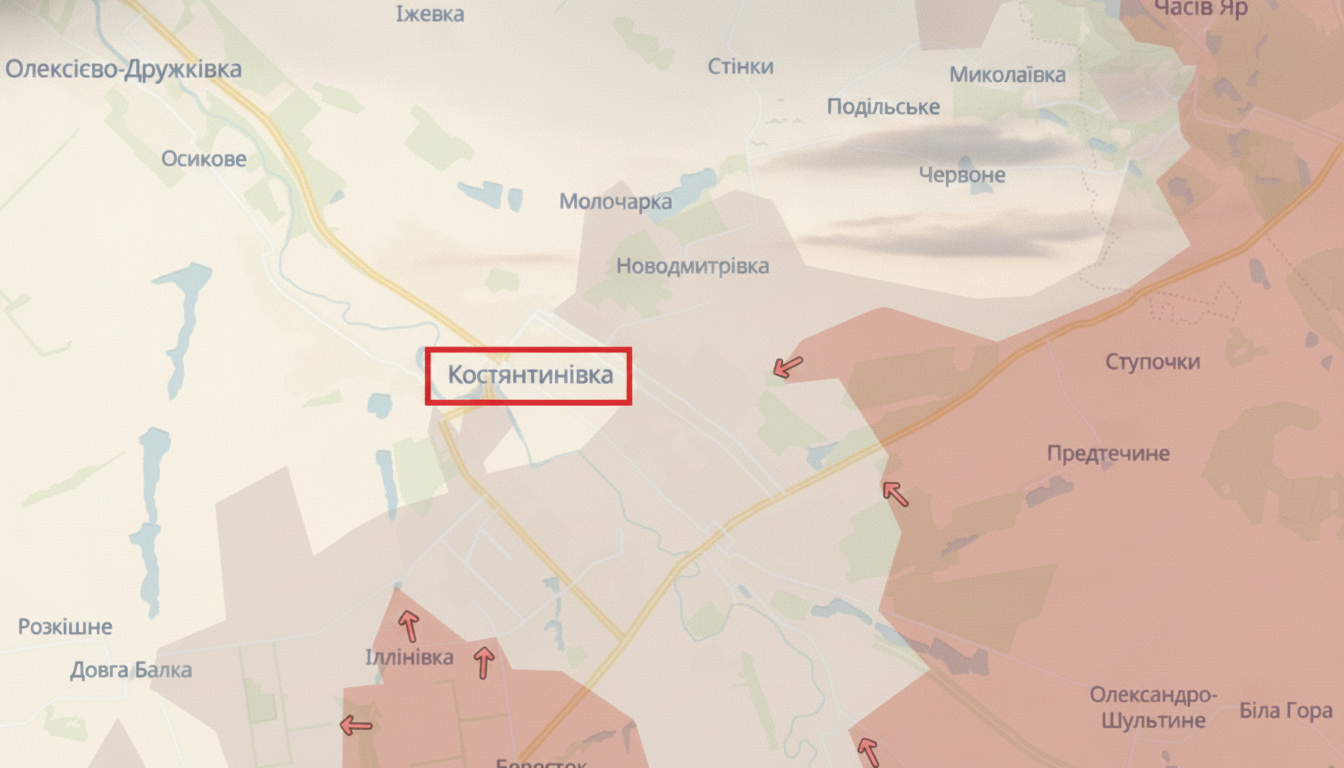
- In Kostiantynivka, the rate is just 50 meters per day;
- In Pokrovsk, it reaches 70 meters;
- And in Sloviansk, it is 90 meters.
These figures underscore the extremely slow movement of Russian forces across Ukrainian-held territory. Moreover, Moscow’s control over Ukrainian land decreased by roughly 400 square kilometers during April and May 2026. In June 2023, Russian troops managed to seize only about 30 square kilometers of Ukrainian territory.
Research further shows that occupation forces advanced at an average of just 1 square kilometer per day, reflecting poor operational efficiency. Additionally, on July 1, 2023, 259 combat engagements were recorded, indicating ongoing conflict intensity—yet the sluggish advance raises doubts about Russia’s ability to conduct effective offensive operations.
Overall, the frontline analysis points to serious difficulties for Russian forces, leading to reduced territorial gains and increased losses. The situation remains tense, but a clear decline in Russian offensive activity is evident.
This analysis underscores the challenges facing the Russian army on the Ukrainian front, which may reflect not only strategic and tactical problems but also the overall state of military resources.
The slowdown in offensive tempo and territorial acquisition could shift the conflict’s dynamics, potentially creating opportunities for Ukrainian forces to step up their counteractions. While future developments may alter the balance of power on the battlefield, current trends suggest growing hardships for Russia in sustaining combat operations.
Read also
- Kostiantynivka Capture Bid Fails: Predicting the Next Wave of Russian Assaults
- Russian Losses Hit $650 Million After Ukraine's GUR Destroys S-400 Triumph in Crimea
- Russian Offensive on Kupiansk and Kharkiv Region Stalls as Vovchansk Remains Uncaptured
- Weekend Toll Hits 14 as Russian Forces Unleash Coordinated Strikes on Ukrainian Cities
- Overnight on July 27: Russia Unleashed 147 Drones on Ukraine, 123 Neutralized by Air Defense
- Russia’s New ‘Banderol’ Cruise Missile Strikes Kharkiv and Odesa – Key Details