Delete These Dangerous SMS Messages From Your Phone Immediately.

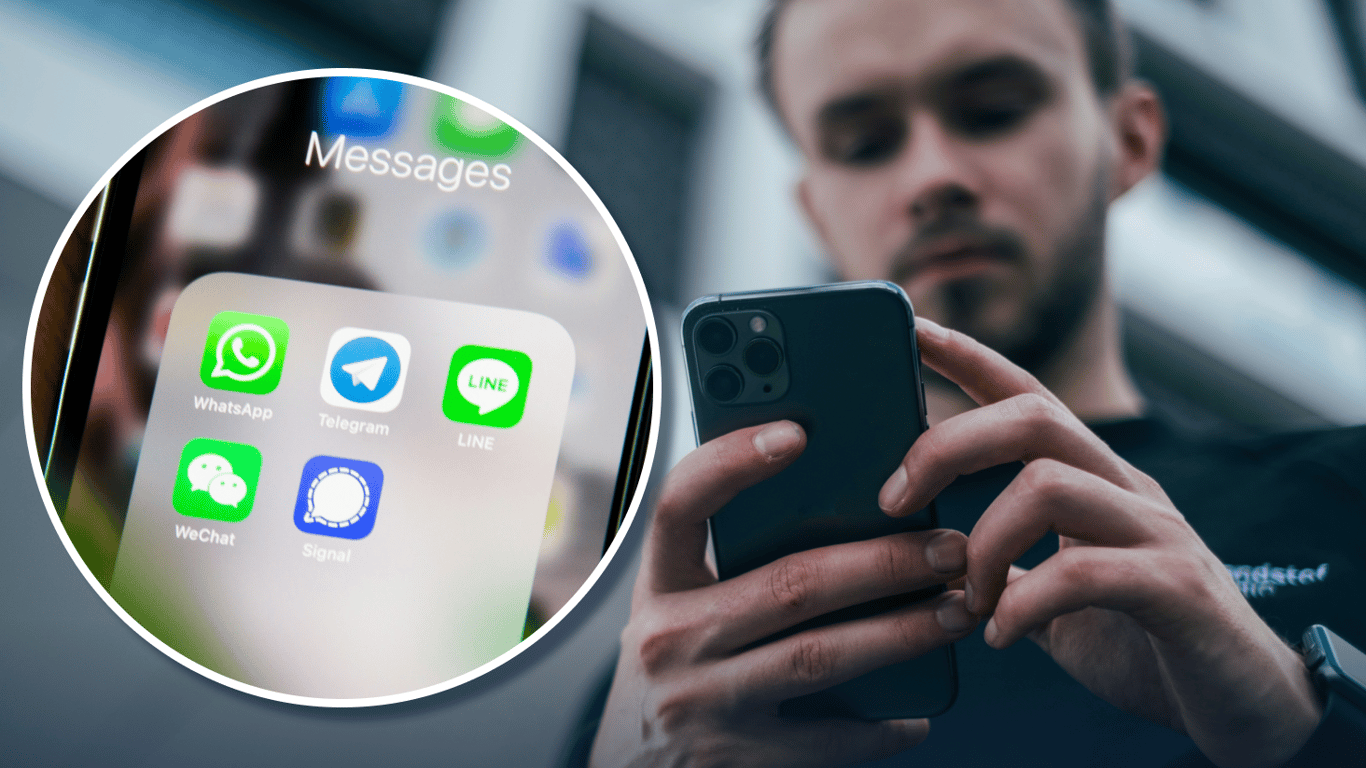
The Hidden Dangers of Keeping Sensitive Data on Your Smartphone
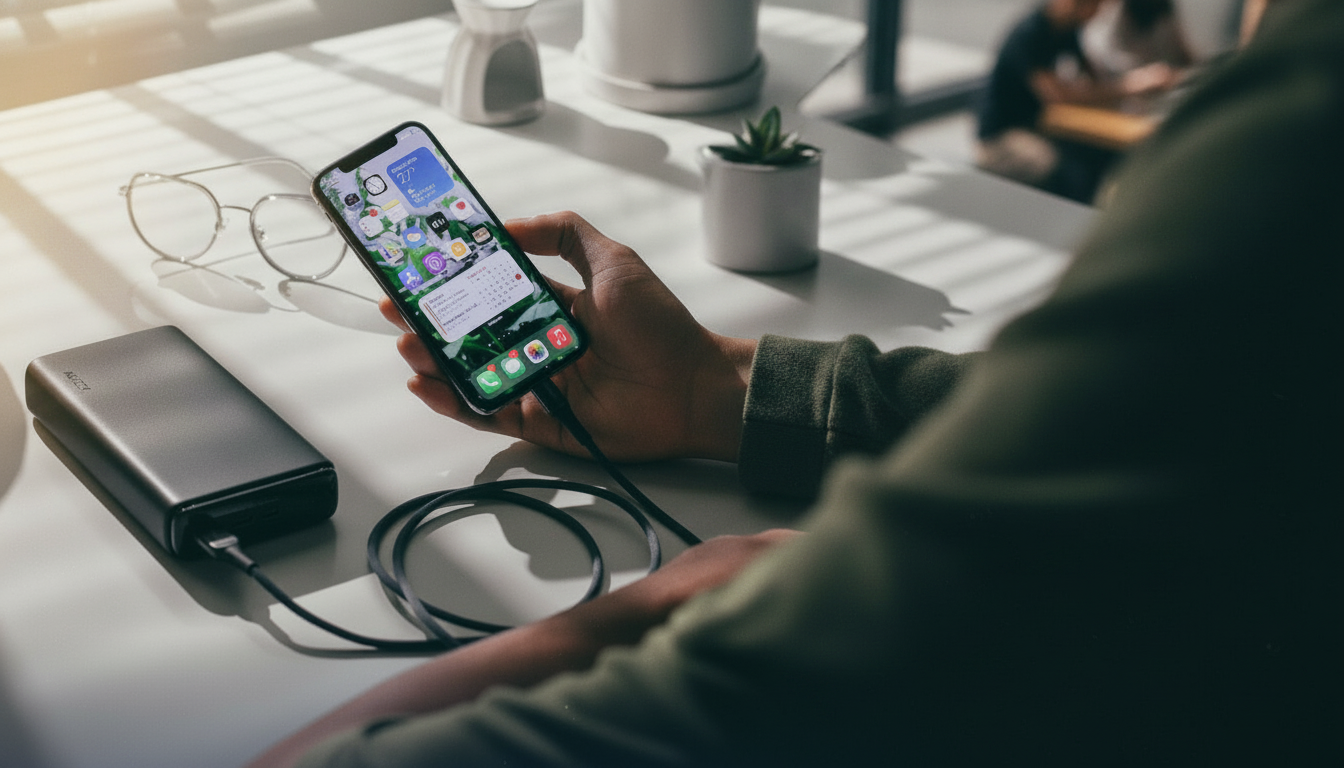
According to Novyny.live: Smartphones have become essential tools in everyday life, but storing sensitive information on them comes with serious risks. SMS messages containing login credentials, passwords, or other critical data are especially vulnerable if the device is lost or stolen. This highlights the need for caution when sharing sensitive information through mobile platforms.
Messages that include usernames and passwords are a prime target for cybercriminals, who can use them to break into your accounts without permission. Personal chats, photos, and other private content stored on your phone can also be exploited for blackmail if the device falls into the wrong hands. This underscores the importance of following security best practices when handling personal information on mobile devices.
Key Threats to Watch Out For
Another major concern is SMS messages containing suspicious links. These are commonly used in phishing attacks, where scammers trick people into revealing personal data. Even one-time authentication links can pose a risk, as their misuse may lead to account compromise. It is crucial to remain vigilant with such messages.
Banking SMS that disclose account balances or payment details should not be stored on your phone either. Keeping this type of information in your message inbox creates additional risks if your device is lost or stolen, giving attackers direct access to your financial data.
Additionally, voice-activated features on Android devices may remain active if the 'Okay Google' command is enabled, creating a potential vulnerability that allows others to access personal information without your knowledge. Similarly, Samsung smart TVs running on Tizen may have data collection settings active by default during initial setup, which is worth noting.
Being aware of the risks tied to storing sensitive data on smartphones is essential. Exercising caution and following security recommendations can significantly reduce the likelihood of negative outcomes.
As smartphone usage continues to grow, users must recognize the potential threats to their privacy and data security. With technology and malicious practices evolving rapidly, adopting security measures is key to preventing data breaches. Healthy habits such as:
- regularly updating software,
- using strong passwords,
- verifying message sources,
can greatly lower your risk. Staying proactive and cautious in protecting your data is the best way to avoid harmful consequences.
Read also
- First Ukrainian Arms Export: U.S. Military Acquires F10 FPV Drones from F-Drones
- 5 Simple Smartphone Settings to Extend Battery Life Without Charging
- Lifecell Introduces Gigabit Internet with Price Lock Until 2027
- Unlocking the Hidden Powers of Android Volume Buttons: Camera, Calls, and App Launchers
- Why Your Android Phone Might Charge Slowly Even with a High-Power Adapter
- Ukraine Unveils Cutting-Edge EW Systems and Radars Now Undergoing Military Trials