Netanyahu Eyes Reelection Amid Ongoing War: Can Israel’s Premier Hold On to Power?.

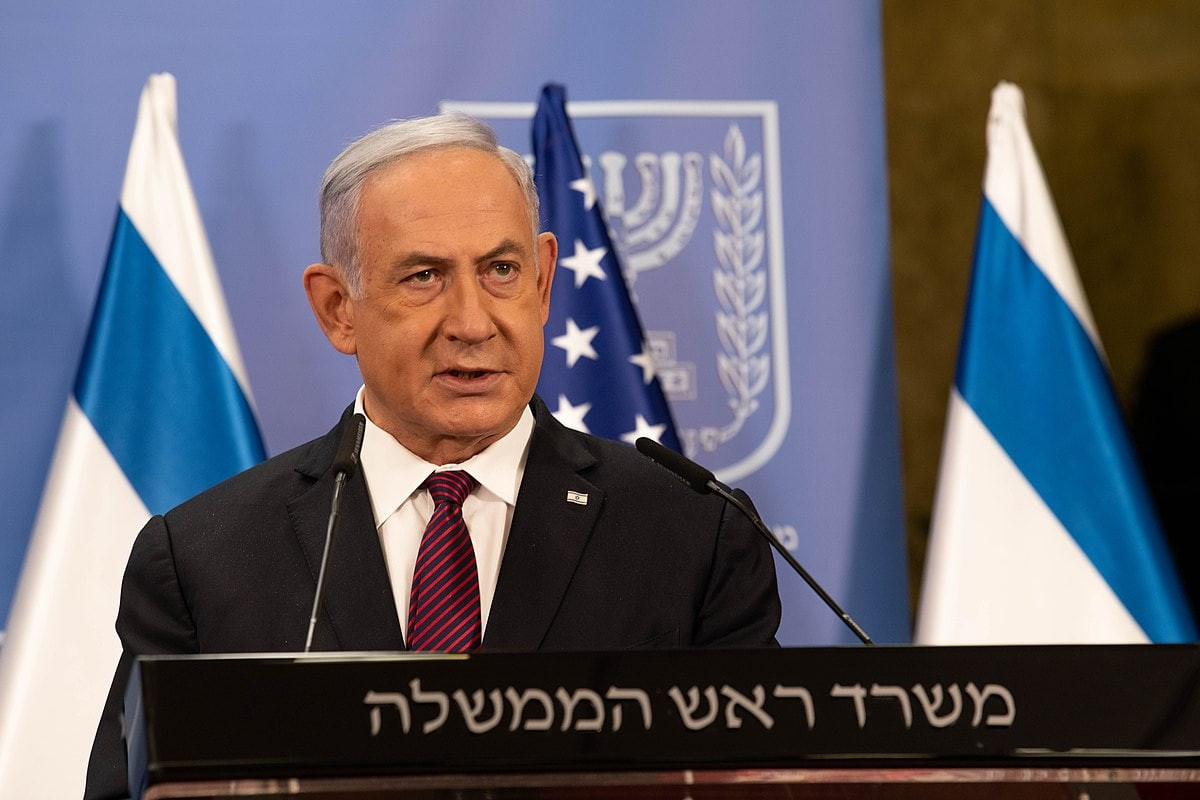
Israel’s Political Landscape Since the War Began
According to Espreso.tv: According to expert Vyacheslav Likhachev, speaking on the 'SvitOhlyad' project, Israeli society has been in a state of war since October 7, 2023. This ongoing conflict is deeply reshaping the country’s political dynamics and voter attitudes, particularly affecting the standing of current Prime Minister Benjamin Netanyahu as the Knesset elections approach. Leveraging the wartime environment, Netanyahu has sought to consolidate his position and rally support.
Israel operates as a parliamentary republic, and the current Knesset stands a chance of becoming the first in over 40 years to serve its full term. However, despite the military crisis, Netanyahu continues to face criminal charges and ongoing court proceedings, which could jeopardize his political future. Nevertheless, Likhachev notes that
“Netanyahu has proven to be so politically adept that he may not only complete his current term but also stand a fair chance in the elections scheduled for this fall.”(Vyacheslav Likhachev)
External Factors and Regional Dynamics
Likhachev further points out that the ongoing confrontation with Iran is not the decisive factor in Netanyahu’s political survival. This highlights the complexity of Israel’s current situation, where the war context and domestic political processes are deeply intertwined, creating fresh challenges for the country’s leadership. Meanwhile, after more than two months of negotiations, the United States and Iran have reached an agreement to cease hostilities and reopen the Strait of Hormuz—a development that could ripple across the region and affect Israel’s security environment.
The post-war political reality in Israel carries serious implications for the nation’s political arena. The Knesset elections, taking place amid active military operations, could significantly shift the balance of power and disrupt traditional political norms. The election results are likely to reflect not only domestic public sentiment but also the influence of external factors, such as the U.S.-Iran deal, which further complicates the regional security landscape.
Read also
- Hungary Launches Asset Recovery Agency in Wake of Fidesz Office Raid
- Key Details of Trump-Zelenskyy Talks: US President's Focus on Ukraine's Long-Range Strikes and Drone Sector
- Poland's Tusk Urges President to End Silence Over Rising Anti-Ukrainian Violence
- Nearly 700 Distinct Torture Methods Documented as At Least 406 Ukrainians Die in Russian Captivity
- Iranian ballistic missile strike rumor dismissed by Ukraine's counter-disinformation chief
- Air Defense Systems and Russia Sanctions Top Agenda as Trump Meets Zelenskyy





