The UK government has banned buy one - get one free promotions on unhealthy products.

Ban on 'Buy One - Get One Free' Promotions
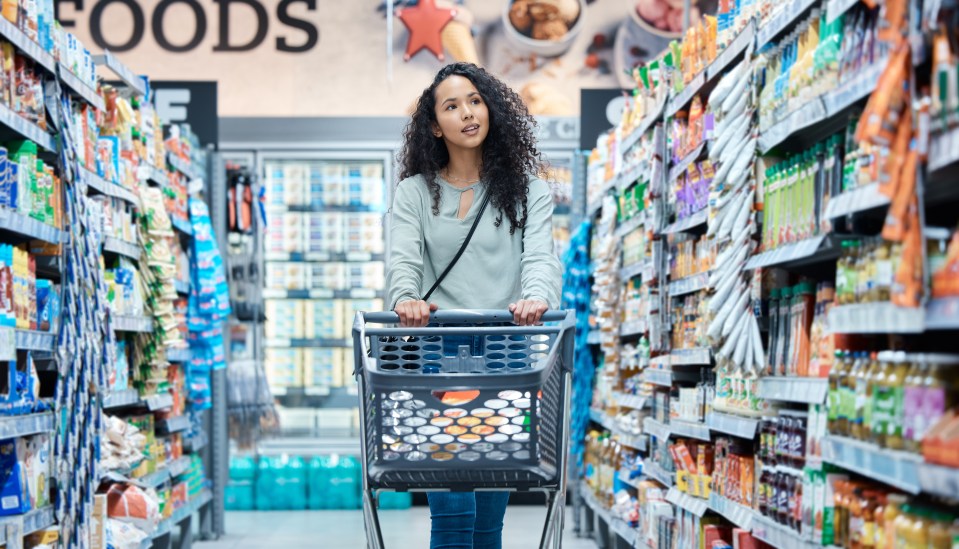
According to The Sun: The government has introduced a ban on 'Buy One - Get One Free' promotions on popular items in supermarkets.
Shoppers will now be unable to take advantage of this promotion on products such as candy, chips, and soft drinks.
'Buy One - Get One Free' promotions are banned in supermarkets.GettyThis measure, which took effect yesterday, has been discussed for several years, but delays were related to the cost of living crisis.
Ministers believe this initiative will help address the problem of obesity among young people.
New Rules for Supermarkets
The changes apply to large supermarkets, corner shops, and online stores.
Furthermore, café visitors will no longer be able to get free refills of soft drinks at popular establishments like Nando's or Five Guys.
The next step will be a ban on TV ads before 9:00 PM promoting unhealthy food, and from the new year, a complete ban on online promotions.
The government has developed a classification system to determine which products and drinks are considered unhealthy based on their impact on childhood obesity.
The list includes everything from soft drinks and chocolate to pizza and ice cream. Some cereals and sweet baked goods will also be banned from advertising during the specified time.
“Obesity denies children the best start in life, leads to health problems, and costs NHS billions.”
“This government is taking action to stop advertising unhealthy food aimed at children, both on television programs and online.”
Statistics and Consequences
According to the latest data, one in ten preschoolers is already suffering from obesity, and one in five children has dental problems by the age of five.
Obesity costs NHS over 11 billion pounds a year.
The government hopes that the advertising ban will prevent around 20,000 cases of childhood obesity.
As reported by BBC, major supermarkets like Sainsbury's and Tesco have already implemented their own restrictions earlier.
Andrea Martinez-Inchausti of the British Retail Consortium noted that “the majority” of its members are already complying with the new requirements.
“There will be no major changes for them.”
“Food retailers are supporting their customers in choosing healthier food through better calorie labeling, reformulating products, and portion control.”
These measures are part of a national strategy aimed at improving children's health and combating the spread of obesity. Authorities hope that the changes implemented will not only reduce health risks but also foster a healthy approach to nutrition among the younger generation. It is now important to monitor the implementation of these rules and their impact on public health and consumer habits as a whole.
Read also
- Global Fuel Markets Shaken as Ukrainian Drones Undermine Russian Control
- Russian Business Owners Are Moving Billions Abroad Amid Fears of Asset Seizure and Forced War Funding
- Former Minister Sobolev Takes on New Role in the President’s Office: What He Will Be Working On
- India Becomes Fuel Supplier to Russia as Diesel Shortage Bites
- Currency Panic Grips Ukraine: Expert Reveals Why People Are Losing Faith in the Hryvnia
- Major Salary Hikes Planned for Ukrainian Rescuers: Here’s What They Could Earn