Germany Raises Threat Level to 'High' and Launches Joint Nuclear Drills with France.

Germany Escalates Domestic Security Alert
According to UATV: Germany has raised its domestic security threat level to 'high' following intelligence reports indicating potential attacks. The decision, announced by German Interior Minister Alexander Dobrindt, underscores the gravity of the situation within the country. This escalation reflects a response to mounting dangers linked to the broader international climate.
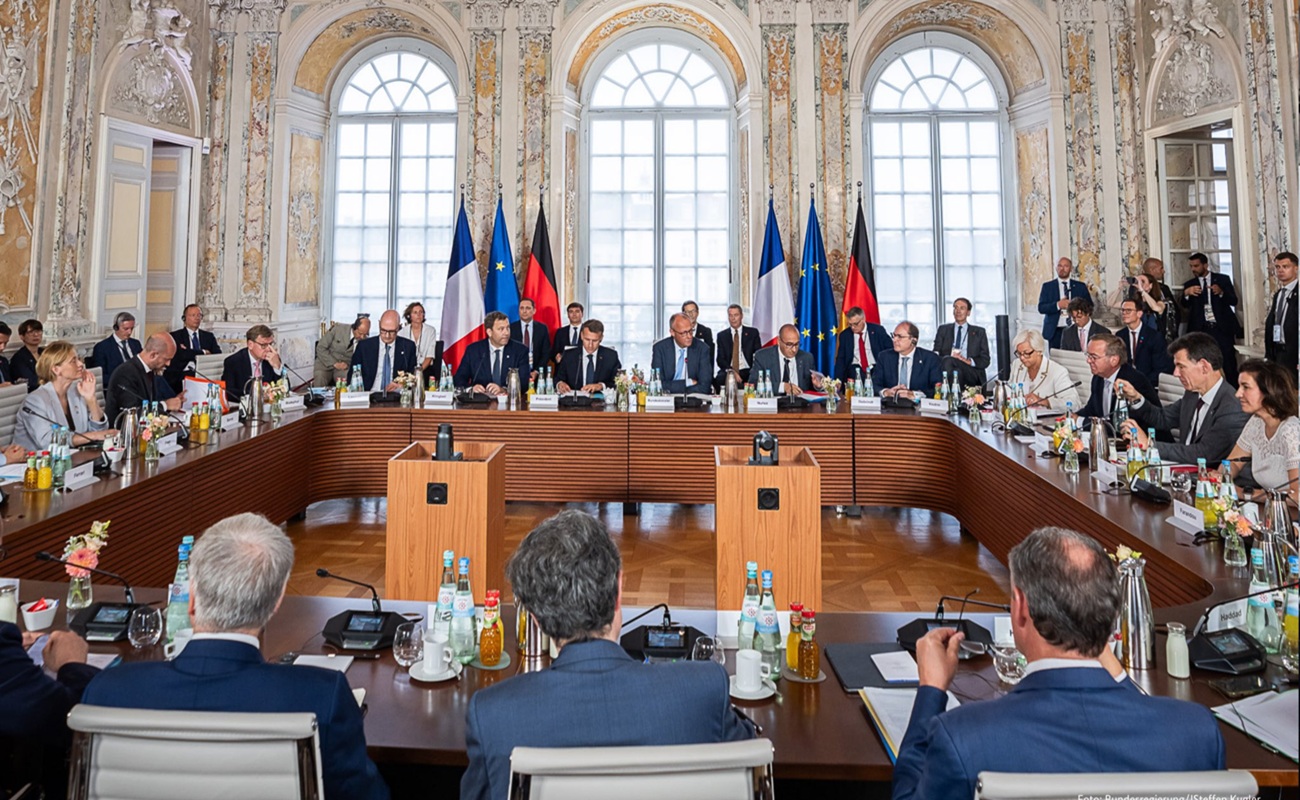
In parallel, Germany and France have announced deeper military cooperation in nuclear deterrence. On July 16, the two nations conducted joint exercises involving fighter jets capable of carrying nuclear weapons. German Chancellor Friedrich Merz stated:
“We are participating in such exercises for the first time.” - Friedrich Merz
The discussion of military collaboration between Germany and France has become a key aspect of their bilateral relations, particularly amid an increasingly tense geopolitical environment.
Geopolitical Challenges and Regional Security
France remains the only EU member state with nuclear weapons, making its strategic partnership with Germany even more critical. Meanwhile, Lithuanian President Gitanas Nausėda has announced the lifting of a constitutional ban on nuclear weapons, stating that 'the geopolitical situation demands constitutional amendments.' This highlights the growing urgency of regional security concerns.
Notably, Russia has been conducting espionage against strategic nuclear sites in Europe over the past 18 months, underscoring the threats facing the region. Consequently, Germany's heightened threat level and expanded military cooperation with France can be seen as direct responses to these challenges. French President Emmanuel Macron also remarked:
“The goal of the deterrence initiative is not to co-finance France's nuclear capabilities.” - Emmanuel Macron
Germany's elevated threat alert and intensified military ties with France signal major shifts in European security policy in reaction to growing pressures from Russia. This underscores the need for EU countries to adapt their security strategies in an era of global instability. Joint exercises and strengthened nuclear deterrence may become crucial tools for ensuring regional stability and defending against potential threats.
Read also
- NATO Warned of Potential Russian Provocations in Poland and the Baltics: Key Details
- Kremlin Plot Fears: Lithuania and Poland Warn of Russian Provocations
- Lithuania Sees Surge in Army Volunteers as President Naučėdas Warns of Russian Provocations
- Lithuania Receives Intelligence on Potential Kinetic Strikes Against Infrastructure: Nausėda on Defense Measures
- NATO Broadens Baltic Air Policing Mission’s Scope: What It Means for Russian Aircraft
- NATO Revamps Baltic Air Policing Mission After Russian Drone Incident: Key Changes Ahead