Engine Coolant: How to Prevent Costly Damage by Choosing the Right Fluid.

Why Your Car's Cooling System Demands Attention
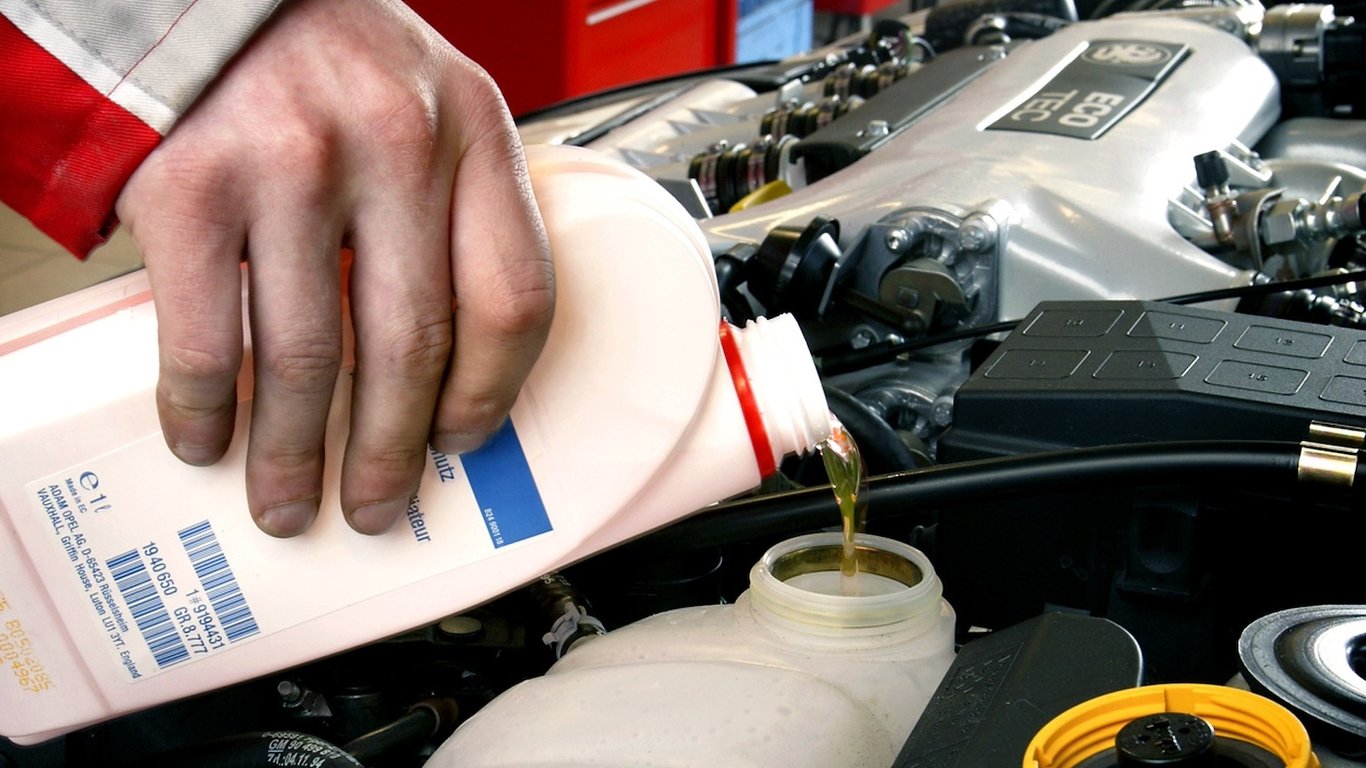
According to Novyny.live: Neglecting your vehicle's cooling system can lead to catastrophic and expensive engine failure. To ensure your engine runs efficiently and avoid major risks, it is critical to monitor coolant levels and select the appropriate fluid. For many drivers, this system is out of sight and out of mind until a warning light appears or steam pours from under the hood.
The chemical composition of the coolant is fundamental to its performance. A proper 50:50 mixture of glycol and water provides freeze protection down to -35 °C and raises the boiling point above 130 °C. The market offers three primary coolant technologies: IAT, OAT, and HOAT. OAT or HOAT formulas have become the standard for modern vehicles, a testament to their superior effectiveness and longevity.
Mixing incompatible coolant types, however, can cause sediment to form and clog the system. Chevron specifically warns of the risks associated with blocked cooling channels from combining non-compatible products. Furthermore, using plain water instead of a proper coolant mixture drastically lowers the boiling point and increases the freezing point, which can easily lead to severe engine damage.
Essential Maintenance Guidelines
Therefore, the importance of selecting the correct coolant and adhering to manufacturer standards cannot be overstated. This practice is vital not only for your vehicle's longevity but also for the safety of the driver and passengers. Proactively identifying cooling system issues and following factory recommendations can help you avoid significant repair costs down the road.
Given the critical role of the cooling system, drivers should make a habit of regularly checking the coolant level and choosing a fluid that meets their vehicle's specific requirements. This proactive approach will prevent technical malfunctions and ensure safer journeys. Timely diagnostics and maintenance of your car's cooling system can substantially reduce the risk of serious breakdowns and the high expenses associated with fixing them.
Read also
- How a Serbian Inventor Revolutionized Electricity and Radio: The Genius of Nikola Tesla
- AMD Zen 6 Processor Benchmark Results Revealed: Medusa Point Shows Major Performance Gains
- China Unveils a Nuclear Battery That Could Last Millennia: What Sets It Apart
- Stretchable Display from KAIST Eliminates Image Distortion During Expansion
- Ukraine’s New Anti-Ballistic System Freya: What We Know About the Patriot-Class Project
- Why Ukraine’s Plan to Produce Patriot Missiles Faces Major Hurdles and Long Delays