The new law will allow the arrest of property for utility debts: what threatens Ukrainians.

Expert's outrage over the new draft law
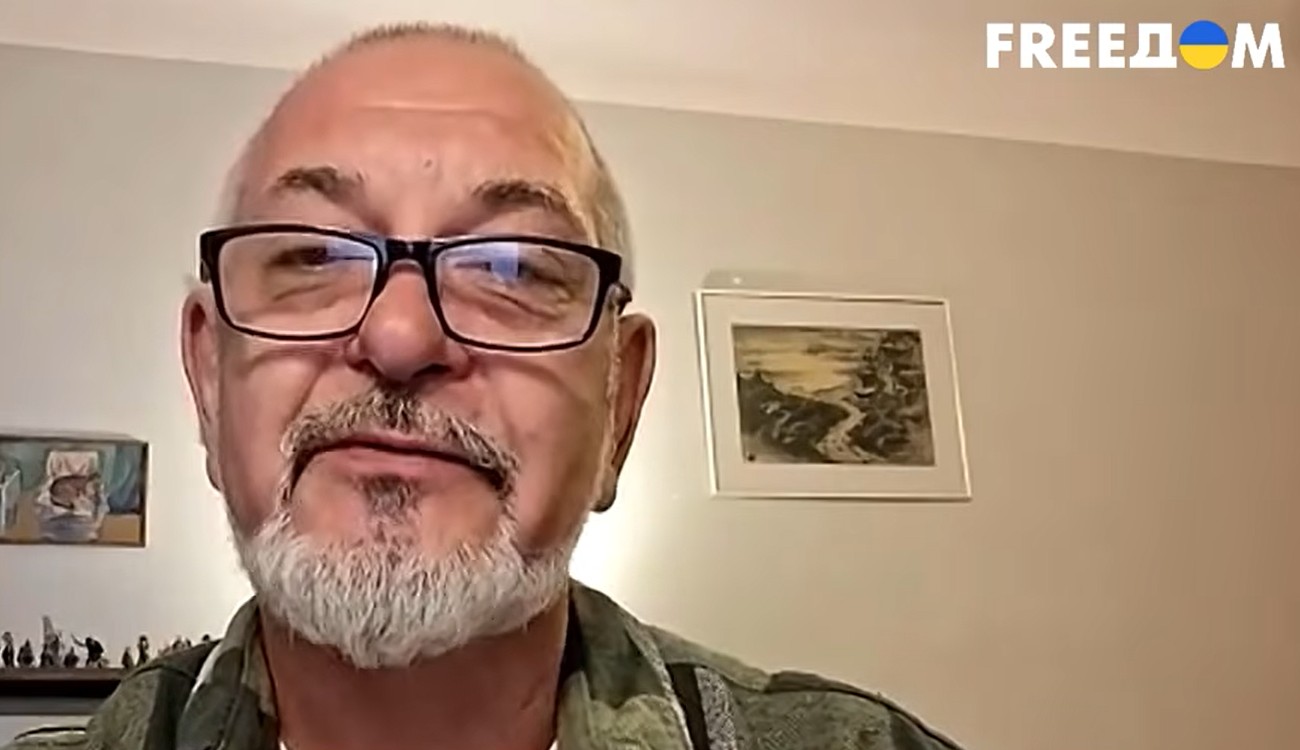
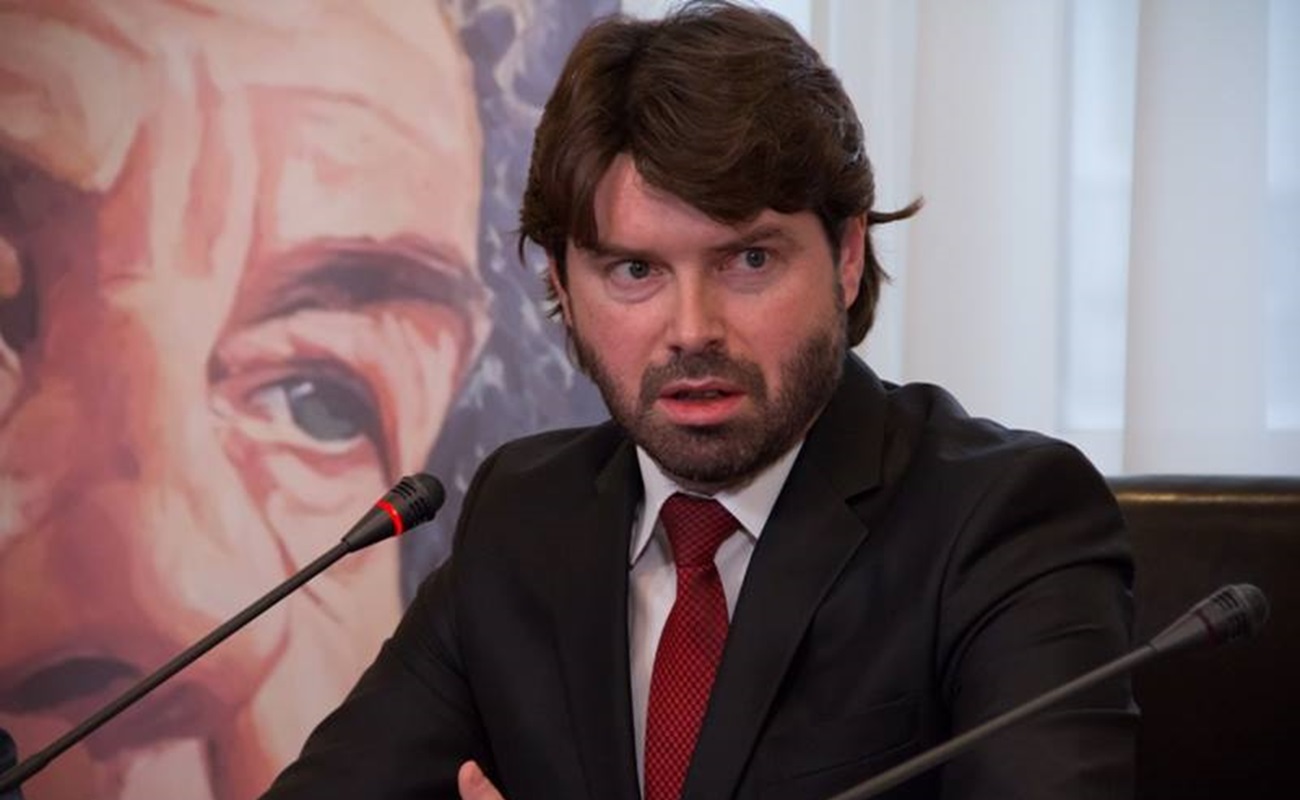
According to inkorr.com: Oleg Popenko, head of the 'Consumer Union of Utility Services', expressed his dissatisfaction with the new draft law on 'digitization of enforcement proceedings' (No. 4205). He believes that this law may create risks for offenses, particularly due to errors in billing in utility bills.
Threats to Ukrainians
According to Popenko, the enforcement service will have the right to act without delay immediately after a decision by the first instance court. This could lead to the arrest and sale of property for debts before the case is heard on appeal, which threatens many citizens, including pensioners and those living in conflict zones.
As soon as the first instance court records the debt, this draft law allows the enforcement service to immediately block all accounts, arrest the car and, importantly, prohibit any transactions related to housing.
Possible abuses
Popenko also pointed out the risk of abuses in the new system. He emphasized that there are already cases of erroneous charges for utility services, which could be grounds for fraud.
'We already have facts: in the Kyiv region, 11 out of 12 verified complaints about bills confirmed violations. In Kyiv, there are 51 violations out of 175 complaints. The system already allows for incorrect bills to be issued,' Popenko noted.
Negative consequences of the innovation
This situation could lead to people being unable to defend their rights, as cases may be heard too quickly in the first instance court. This, in turn, could lead to the arrest and sale of property without adequate resolution of the issue by the owners.
Thus, the new draft law on 'digitization of enforcement proceedings' could become a serious problem for Ukrainians, as it gives the enforcement service the ability to respond quickly after a verdict from the first instance court. This, in turn, may facilitate fraud and unjust actions in the situation with utility payments, violating citizens' rights to a fair trial.
Read also
- New U.S. Tariffs Hit 60 Nations: Here Are the Rates for the EU and Russia
- Russia’s Oil and Gas Revenue Set to Surge by 60%—Here’s What’s Driving the Jump
- IMF Disburses $690 Million Second Tranche to Ukraine: Where the Funds Are Going
- Russia’s Budget Deficit Could Hit 7 Trillion Rubles—What Are the Default Risks?
- Expert Sets Critical Threshold: 60% of Russia's Oil Refining Capacity Must Be Destroyed
- Russia Faces Imminent Fuel Crisis: Why Refinery Recovery Is Nearly Impossible, Expert Warns