Zero Carbon Emissions: A Startup in the USA Melted Its First Tonne of 'Green' Steel.

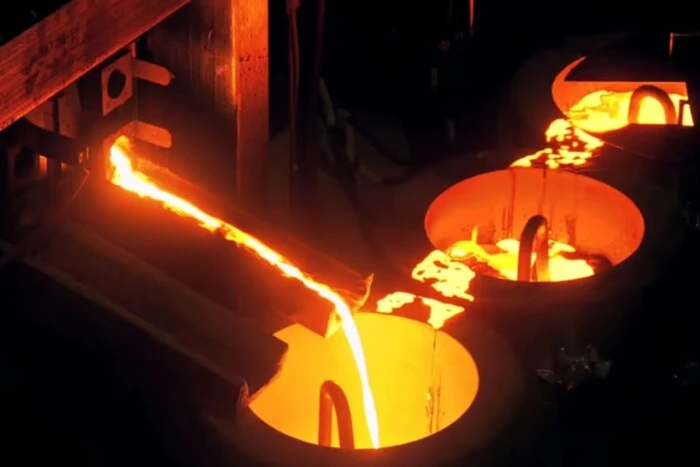
According to the World Steel Association, during the production of metal, nearly twice as much carbon dioxide is emitted into the air as the weight of the steel produced. This accounts for 7-9% of global greenhouse gas emissions. However, the startup Boston Metal from Boston has developed a steel production technology that allows for CO₂ emissions to be reduced to zero by using electricity.
The original technology for steel smelting using an inert anode was developed at the Massachusetts Institute of Technology (MIT). To commercialize the development and profit from the sale of licenses for the technological process, the company Boston Metal was created.
To demonstrate the capabilities, a reactor with a single anode was created, and tests with multiple anodes were conducted to increase the volume of steel smelting.
In the traditional metal smelting process, coke is added to iron ore, which produces carbon monoxide when burned. This gas combines with oxygen in the ore and is converted into carbon dioxide, which is emitted into the atmosphere.
Boston Metal has developed a carbon-free method known as molten oxide electrolysis (MOE). Iron ore is mixed with an electrolyte in the reactor and then heated to a temperature of about 1600°C using electricity instead of coke.
As a result, electrons break the bonds in the iron ore, purifying it and releasing only oxygen. No molecules of carbon dioxide are formed in the process.
The Boston Metal installation with a single inert anode melted more than one tonne of steel using only electricity. If the electricity comes from renewable sources, the MOE method of steel production becomes completely environmentally friendly in terms of greenhouse gas emissions.
Since the current reactor can produce approximately one to two tonnes of metal per month, the company plans to build a larger-scale demonstration plant, scheduled to be operational in 2026. Boston Metal also plans to license its eco-friendly production process to other steel manufacturers.
Read also
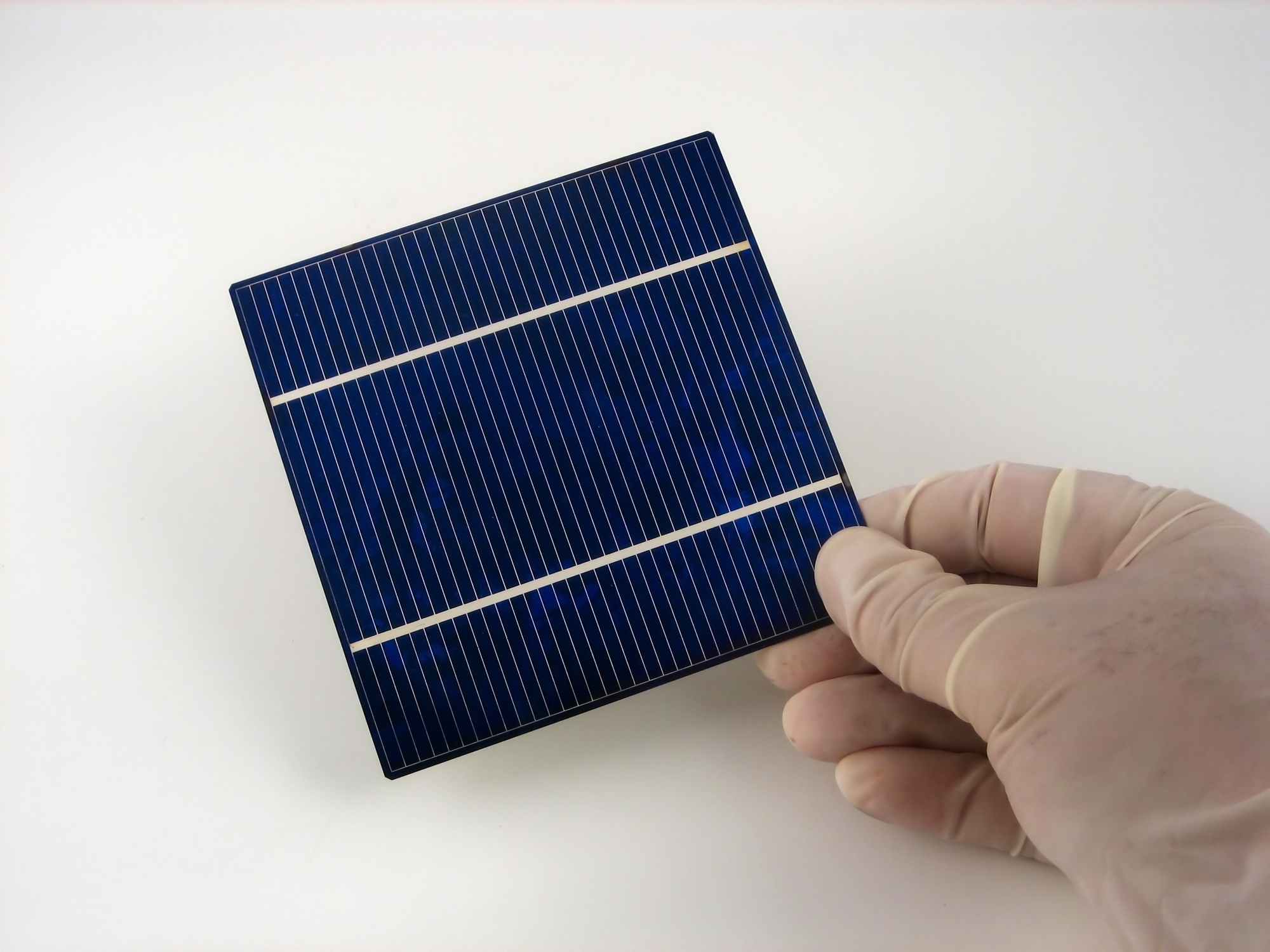
- Antique Musket Balls Repurposed Into Solar Cells with 94% Efficiency
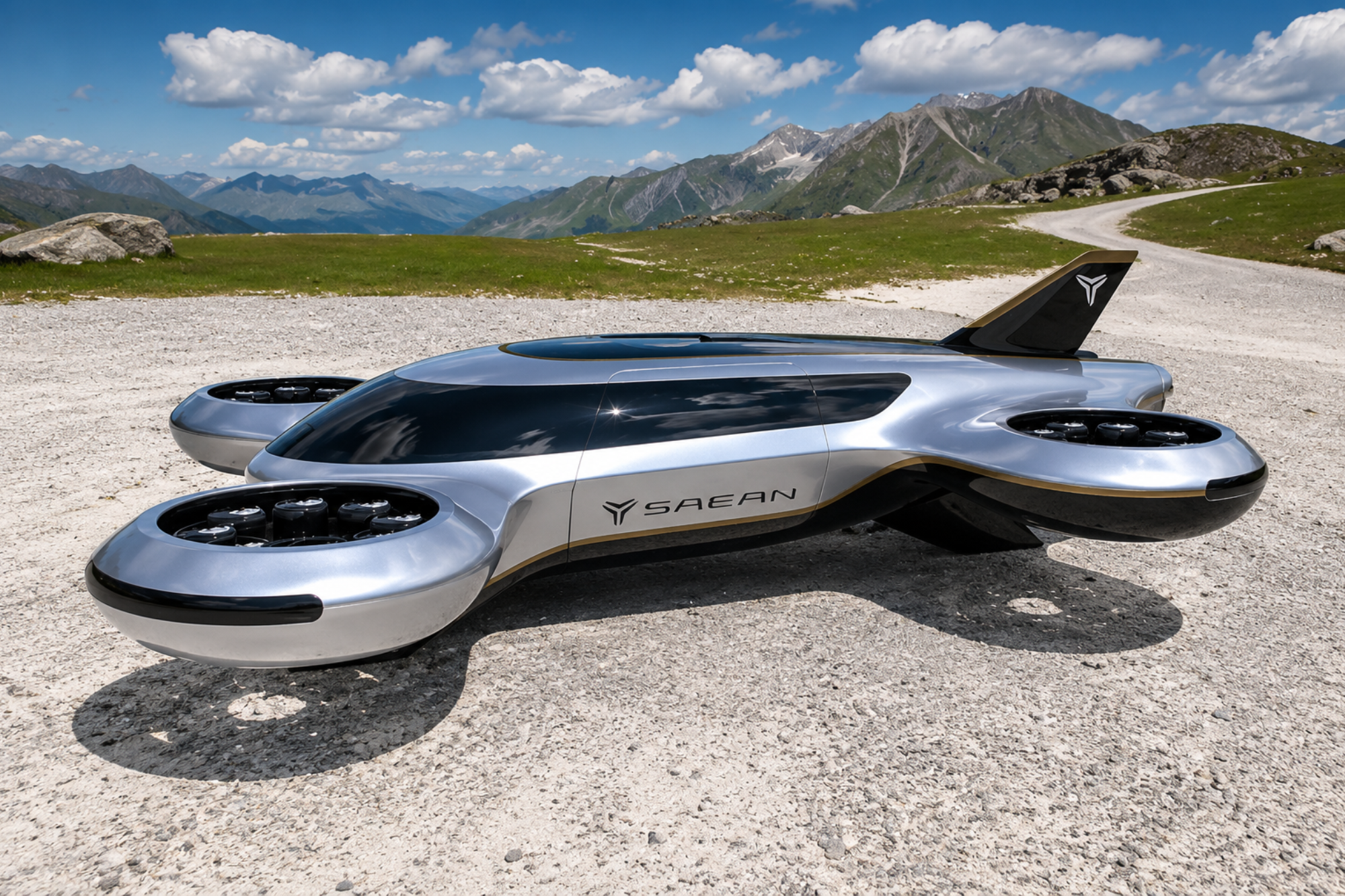
- South Korea Patents a Silent Engine for Air Taxis
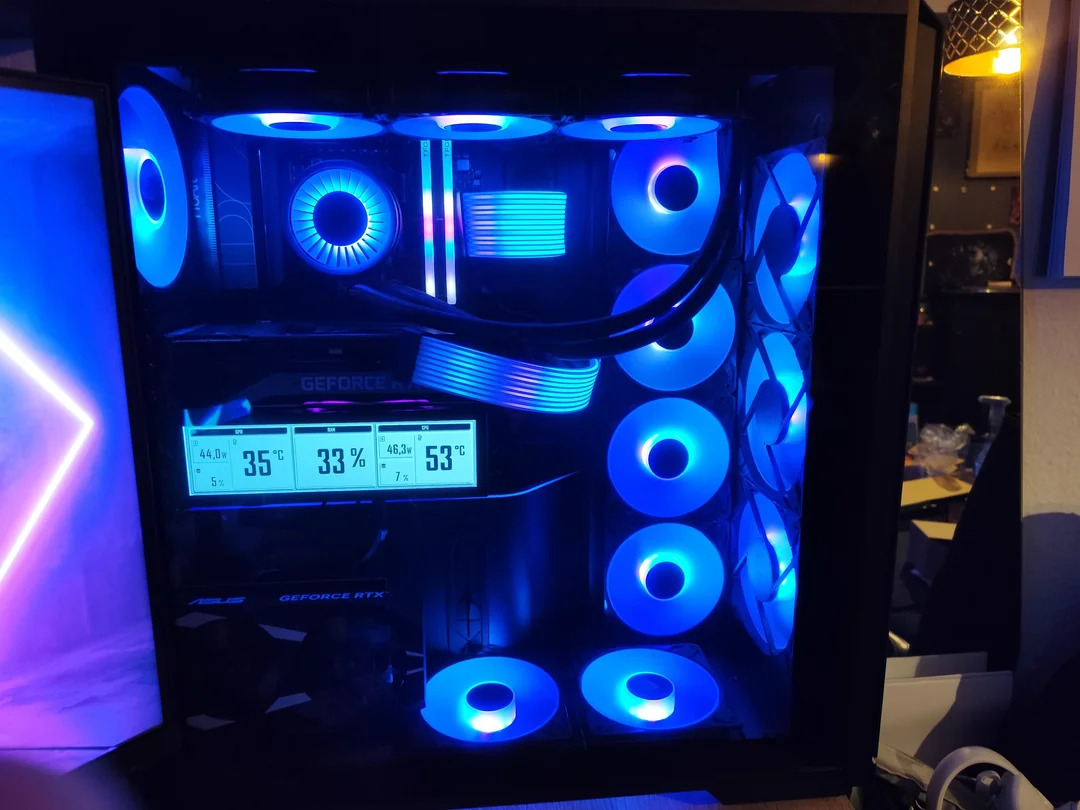
- 144 FPS at 4K: A Gamer Pairs an RTX 3090 and RTX 3050 for Stunning Performance
- Snapdragon 8 Elite Gen 5: Qualcomm’s New Chip Targets Sub-$600 Smartphones
- Samsung Unveils Three New Odyssey Gaming Monitors: Specs and Features Revealed
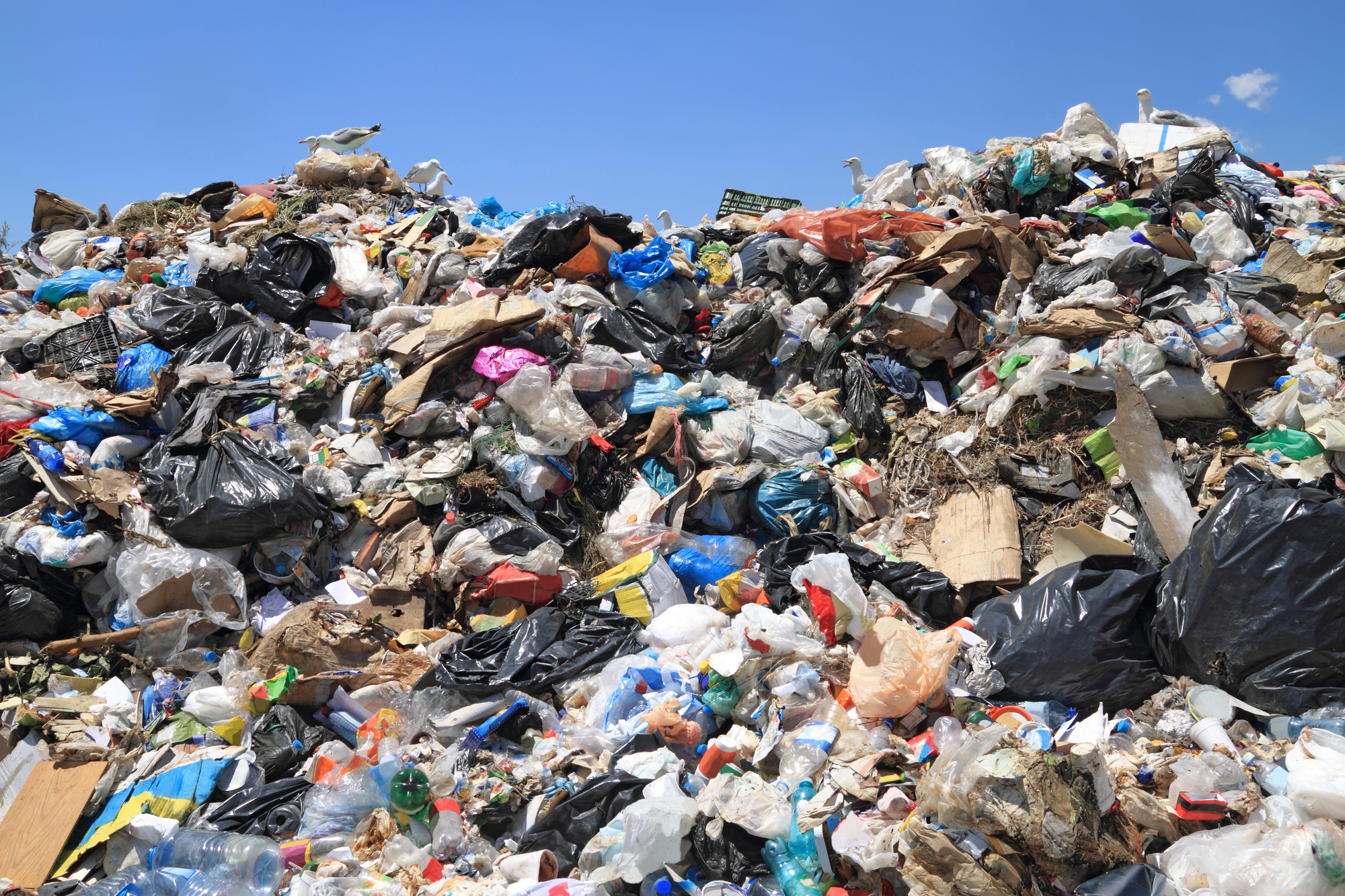
- Plastic Waste Converted into Jet Fuel: New Breakthrough by Chinese Researchers