Winter Pruning Guide: Which Fruit Trees Benefit and Which to Avoid.

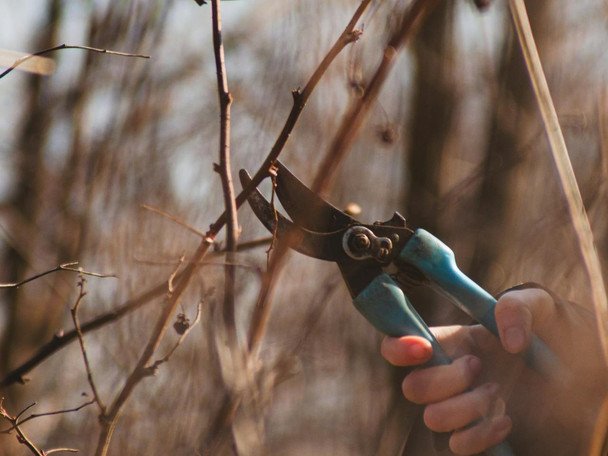
Pruning Fruit Trees During Dormancy
According to TSN.ua: Pruning is a vital part of orchard maintenance, directly impacting tree health and fruit yield. The dormant season presents a key opportunity for this task, but specific recommendations vary by tree species, helping gardeners optimize their efforts.
Fruit Trees That Benefit from Winter Pruning
Which fruit trees should be pruned during dormancy? Apple trees benefit from pruning to shape their canopy and stimulate fruit production. Pear trees require pruning to control growth and strengthen fruit-bearing branches. Peach trees also need regular pruning, with the ideal time being late winter or early spring. This practice is common in temperate climates where trees enter a true winter dormancy.
However, not all fruit trees are suitable for winter pruning. Trees best left untouched during dormancy include:
- Cherry - It is not recommended to prune cherry trees in winter or early spring.
- Apricot - Dormant-season pruning can lead to frost damage and decay at the cut sites.
- Plum - This species is sensitive to cold-weather pruning, which can result in the loss of fruit buds.
Why Timing Matters for Different Tree Species
The optimal pruning schedule depends on the unique biology of each tree type. Species like apple and pear have a greater capacity for rapid recovery and respond well to cuts made while dormant. In contrast, trees such as cherry, apricot, and plum can suffer negative consequences from winter pruning. Understanding these differences is crucial for promoting healthy growth and ensuring a bountiful harvest. The key is to work with each tree's natural healing cycle.
Dormant-season pruning is a cornerstone of horticultural practice, as the correct approach can significantly boost an orchard's productivity. Given the diversity of fruit trees, gardeners must be aware of the specific needs of each species to prevent potential issues and foster optimal development. This knowledge forms the foundation for a thriving and fruitful garden in the seasons to come.
Read also
- Butter and Yogurt Cookies: A Foolproof Recipe from Gospodynka
- Compost in Just 10 Days: The Key Secrets to Rapid Waste Breakdown Revealed
- No-Sterilization Winter Pickles: A Simple 6-Step Recipe
- Holiday Gift Guidelines for 2026: How Much to Give for Weddings and Birthdays in Ukraine
- No June Blooms for Your Jasmine? Follow These 3 Essential Care Tips
- June Financial Horoscope: Three Zodiac Signs Set for Prosperity