Olya Polyakov Claims Rights Violation After Eurovision National Selection Rejection.

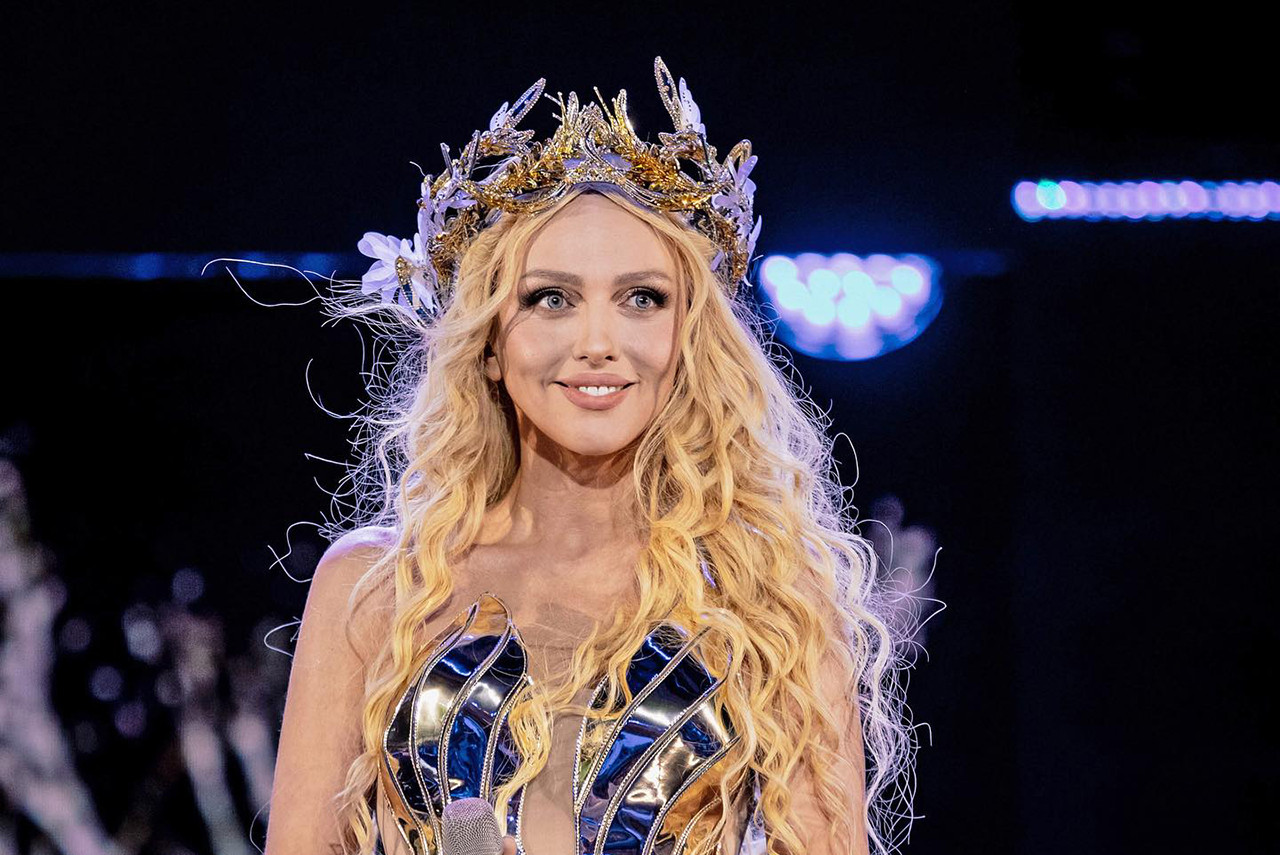
Olya Polyakov Barred from Eurovision National Selection
According to Espreso.tv: Ukrainian singer Olya Polyakov has spoken out after being denied entry to the Eurovision National Selection due to rules that prohibit artists who performed in Russia after March 15, 2014. She argues that this rejection constitutes a violation of her rights. According to available information, Polyakov applied to participate in last year's National Selection but was turned down under clause 4.6 of the regulations, which were established in 2019. This clause forbids participation by any artist who performed on Russian soil after the specified date.
Questions Raised About Fair Enforcement of the Rules
Notably, Polyakov performed in Russia only once, in early 2015. Meanwhile, Jamala, who won the National Selection in 2016, had also performed in Russia during 2014–2015. Additionally, in 2017, Konstantin Meladze served on the National Selection jury despite having worked in Russia. These inconsistencies have raised concerns about whether the rules are being applied fairly to all participants.
Olya Polyakov: 'I consider this refusal a violation of my rights.'
She also expressed strong emotions about the situation, stating: 'Look! They screw you over, and you stay silent! But they won't screw me, because I will fight for myself and my rights! Is that clear?' In October 2025, Polyakov's team sent letters to the European Broadcasting Union, requesting intervention in the matter with Suspilne, Ukraine's public broadcaster.
This controversy surrounding Polyakov's exclusion from the Eurovision National Selection raises important questions about the selection criteria and their fairness, as well as the rights of artists in the context of political restrictions.
The case casts doubt not only on the transparency and objectivity of the rules but also on their adaptability to the realities of the current political climate. The issue of artists who have had ties to Russia has long sparked public debate, and Polyakov's situation could serve as a catalyst for reviewing existing norms and standards. It also opens a broader dialogue about artists' right to self-expression and their place amid political conflicts.
Read also
- Olya Polyakovа Addresses Parliament After Being Barred from Eurovision: What We Know So Far
- Following His Divorce, Konstantin Meladze Spotted in Spain with a Younger Companion