How Your Fuel Filter's Condition Impacts Engine Longevity and Running Costs.

The Critical Role of the Fuel Filter
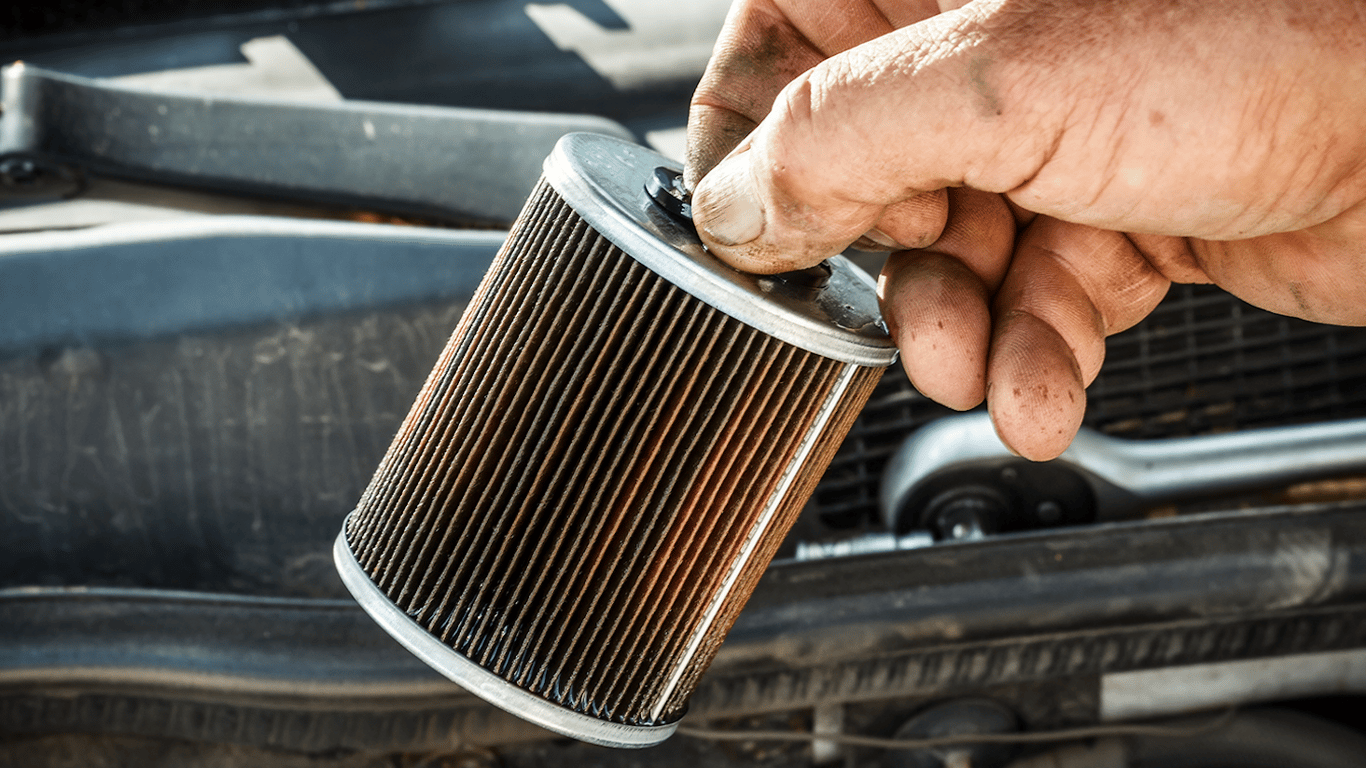
According to Novyny.live: An essential component of your vehicle's fuel system, the fuel filter is tasked with cleaning the fuel before it reaches the engine. Its primary job is to remove contaminants like metal particles, dust, and water, which can severely compromise engine performance. A properly functioning filter ensures efficient fuel combustion, which is fundamental for smooth vehicle operation and preventing premature wear.
However, a compromised fuel filter can lead to significant issues. A key warning sign is water accumulation in the separator. In cold weather, particularly when temperatures drop below 0 °C (32 °F), this water can freeze, blocking the flow of fuel to the engine. This fuel starvation forces the engine to work harder, accelerating component wear and potentially leading to costly damage. For drivers in temperate climates, this is a common winter concern that can leave you stranded.
Cost Implications and Preventative Maintenance
Ignoring fuel filter problems carries substantial financial consequences. An engine running inefficiently due to poor fuel supply will consume more fuel and may eventually require expensive repairs. Regularly inspecting and replacing the fuel filter according to your vehicle's maintenance schedule is a simple, cost-effective measure to ensure long-term reliability and performance.
Therefore, paying timely attention to your fuel filter's condition is crucial. Its role in delivering clean fuel is a direct contributor to your vehicle's overall dependability and efficiency. The importance of the fuel filter cannot be overstated, as its failure can lead to serious engine issues and a decline in overall vehicle performance. Ensuring it functions correctly is especially critical in winter, where freezing water can severely disrupt operation. Regular monitoring is a vital step in preventing the high costs associated with major repairs and increased operational expenses.
Read also
- Ukraine’s New Anti-Ballistic System Freya: What We Know About the Patriot-Class Project
- Why Ukraine’s Plan to Produce Patriot Missiles Faces Major Hurdles and Long Delays
- AMD Unveils 8-Core Ryzen 7 4700LE Without Integrated Graphics: Key Details
- GT Racer Unveils Chair Line with Up to 180° Recline: Built for Gamers and Office Workers
- 70% Charge in 4 Minutes: Geely Unveils Lynk & Co 10 with Breakthrough Battery Tech
- NVIDIA to Skip RTX 60 in 2027, Launching RTX 50 Super Instead